
Blooming
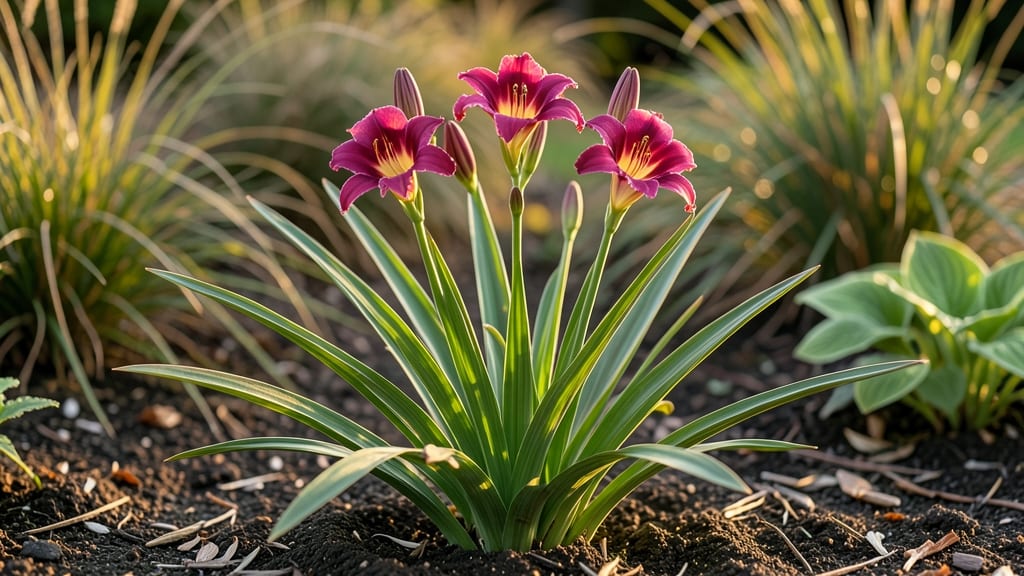
Daylilies do bloom all summer in many climates, producing vibrant flowers from early June through late August, though reblooming varieties extend blooms into early fall with proper care and deadheading. Non-reblooming types typically flower for just 4-6 weeks in late spring or early summer.
Daylilies are famous for their long bloom seasons, but the key difference lies in their type.
Reblooming varieties thrive in warm climates and can keep producing flowers until frost if you deadhead regularly and provide consistent moisture. 🌸 The secret to their extended blooms is their ability to respond to seasonal changes—when nights stay warm, they keep flowering.
Non-reblooming types, on the other hand, focus all their energy on one stunning show in spring, then rest until next year.
What many gardeners don't realize is that even rebloomers need a little help to perform at their best. Proper pruning after the first flush encourages new growth, while a balanced fertilizer in early summer gives them the nutrients to keep flowering.
I've seen daylilies in my own garden continue blooming well into September with just a little extra care!
💡 In This Article
- Reblooming vs Non-Reblooming Daylily Flower Seasons
- Extending Daylily Blooms: Pruning and Care Tips
Reblooming vs non-reblooming daylily flower seasons
The difference between reblooming and non-reblooming daylilies comes down to their biological response to temperature and daylight. Non-reblooming varieties follow a strict seasonal rhythm, triggered by 60-70°F daytime temperatures and 14+ hours of daylight—typically from late May to early July.
Once the days shorten and nights cool, they enter dormancy, conserving energy for next year's spring bloom. This is why you'll see their 4-6 week flowering window concentrated in late spring.
Reblooming daylilies, however, have been selectively bred to break this cycle. They can produce multiple flushes of flowers throughout summer because they're less sensitive to day length changes. The key trigger for rebloomers is nighttime temperatures—they'll keep flowering as long as nights stay above 55°F.
In Zone 7 climates, this often means blooms from June through September, while in warmer Zones 8-10, they may continue until frost. The trade-off? Their second and third flushes tend to be 20-30% smaller than the first.
What most gardeners miss is how soil temperature affects this process. Daylilies need roots to stay above 50°F to continue blooming—colder soil can shock the plant into dormancy.
In my Zone 6 garden, I've found that mulching with 4-6 inches of straw in early summer helps maintain root warmth and extends the blooming season by 3-4 weeks. The roots' ability to photosynthesize through their leaves also plays a role—healthier roots mean more energy for continuous flowering.
Another critical factor is the plant's energy allocation. Non-rebloomers direct all their resources to one spectacular show, while rebloomers spread their energy across multiple smaller blooms. This is why rebloomers often have smaller flowers (2-3 inches wide) compared to non-rebloomers (3-4 inches wide)—they're prioritizing quantity over individual flower size.
The botanical term for this is "determinate" growth in non-rebloomers versus "indeterminate" growth in rebloomers.
Climate plays a surprisingly large role in flower color intensity too. In hotter summers, reblooming daylilies often produce lighter-colored flowers in later flushes because higher temperatures accelerate pigment breakdown.
I've noticed this particularly with purple and pink varieties—they can fade to almost white by September if not properly cared for. This color shift is due to anthocyanin degradation under prolonged heat exposure.
For gardeners in cooler climates, the choice between reblooming and non-reblooming comes down to expectations. If you want one stunning show in spring, non-rebloomers deliver larger, more vibrant flowers with minimal maintenance.
But if you prefer continuous color throughout summer, rebloomers are worth the extra care—just be prepared for slightly smaller blooms and more frequent deadheading to encourage new growth.