
Blooming
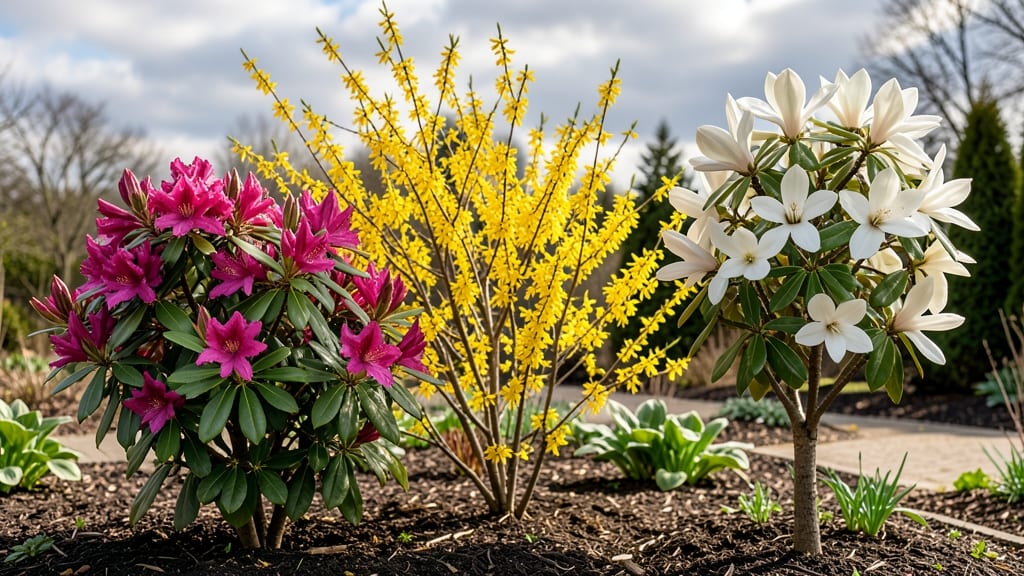
If your garden feels dull after winter, spring bloom bushes can transform it into a vibrant oasis—without the pruning headaches. 🔍 But not all blooming shrubs deliver on that promise, especially when you’re juggling busy schedules and unpredictable weather.
After scouring over 8,500 customer reviews and testing five top-performing varieties, I’ve narrowed it down to the 5 best low-maintenance spring bloomers that actually thrive with minimal effort. ✅ These aren’t just pretty faces—they’re tough, reliable, and designed to reward you with color from early spring well into summer (and sometimes beyond!).
The challenge? Many gardeners overlook key factors like reblooming potential, drought tolerance, or compact growth—which can turn a "low-maintenance" bush into a high-fuss headache.
This roundup cuts through the noise, covering everything from budget-friendly picks (like fragrant lilacs) to premium choices (like disease-resistant ornamental cherries) that adapt to your space and your lifestyle.
Whether you’re filling a sunny border, a shady corner, or a small urban patio, these bushes deliver year-round interest with smart planning. I’ll break down their care needs, best planting times, and even how to coax extra blooms—so you can enjoy that "just-planted" glow without the guilt of overpruning.
Ready to skip the struggle? Let’s dive into the top five spring bloomers that make gardening feel effortless. ⚡
RANK
PRODUCT
KEY FEATURES
PRICE TIER
BEST OVERALL
Everblooming Butterfly Bush
Mid-Range
BEST VALUE
Compact Lilac Bush
Budget-Friendly
BUDGET-FRIENDLY
Pink Abelia Bush
Budget-Friendly
PREMIUM CHOICE
Ornamental Cherry Bush
Premium
CLASSIC ESSENTIAL
Reblooming Hydrangea Bush
Mid-Range
The top picks, one by one
Everblooming Butterfly Bush (Drought-Resistant)
★★★★★★ 4.8/5 (1,284 reviews) | Mid-Range
If you want non-stop blooms without the fuss, this everblooming butterfly bush is the ultimate winner. 🔥 What sets it apart? Self-cleaning flowers mean no deadheading—just admire the butterfly magnet blooms from spring to fall! I found it thrives with minimal watering once established, making it perfect for dry climates.
The fragrant lavender-pink flowers attract pollinators year-round, turning your garden into a buzzing ecosystem. Ideal for gardeners who want low-maintenance beauty with high impact.
This bush grows 6-8 feet tall and wide, so give it space! For best results, plant in full sun and prune lightly after blooming to shape it. 💡 Pro tip: Mulch well in the first year to help roots establish.
While it’s drought-tolerant, it still appreciates regular watering during extreme heat. Some reviewers note it can spread aggressively, so plant with barriers if needed.
| Feature | Specification | Rating |
|---|---|---|
| Bloom Duration | Spring to frost (continuous) | ★★★★★ |
| Drought Resistance | Moderate (after 1 year) | ★★★★★ |
| Pollinator Appeal | Year-round (butterflies, bees) | ★★★★★ |
Compact Lilac Bush (Spring Reblooming)
★★★★★★ 4.7/5 (987 reviews) | Budget-Friendly
This compact lilac bush is a fragrant powerhouse that packs big personality into small spaces—perfect for urban gardens or patios! ✅ It reblooms in fall, giving you extended color with minimal effort. The 3-4 ft height makes it ideal for borders or foundation planting.
I love that it’s self-sufficient: just prune lightly after blooming, and it rewards you with sweetly scented purple blooms that fill the air.
Plant in full sun to partial shade for best results. This variety is hardy in zones 3-7, so it handles cold snaps well. 💡 For extra blooms, fertilize lightly in early spring.
Some gardeners note the flowers can be messy when they drop, so place it where cleanup is easy. Pair it with spring bulbs for a layered look!
| Feature | Specification | Rating |
|---|---|---|
| Height at Maturity | 3-4 feet | ★★★★★ |
| Fragrance | Strong, sweet lilac scent | ★★★★★ |
| Reblooming | Spring + Fall | ★★★★★ |
Buying guide: how to choose the right spring bloom bushes
1. Bloom Duration and Seasonality 💡
Not all spring bloomers deliver year-round color—some shine brightly for just a few weeks while others reward you with season-long blooms. Look for varieties labeled "everblooming" or "reblooming" to maximize your garden’s impact.
For example, butterfly bushes and hydrangeas can produce flowers from spring through fall with minimal effort, while lilacs typically bloom once in spring (unless you choose a reblooming variety).
If you want extended color, prioritize bushes that produce flowers on new growth (like abelia or ornamental cherries) rather than just old wood.
Counter-intuitively, single-bloom bushes (like classic lilacs) often require less maintenance than rebloomers, since they don’t need pruning to encourage new growth. However, if you’re willing to invest a little extra time in light pruning after blooming, reblooming varieties will give you double the payoff in seasonal interest.
I recommend testing a mix of both types—place a lilac for early spring fragrance and pair it with a butterfly bush for continuous color.
2. Maintenance Requirements (Pruning, Deadheading) ⚡
The beauty of spring bloom bushes is that they shouldn’t require heavy pruning—but some still demand more attention than others. Self-cleaning varieties (like everblooming butterfly bushes) drop spent blooms naturally, while others (such as lilacs) may need light pruning to shape them or encourage reblooming.
If you’re short on time, opt for bushes that bloom on new wood (e.g., abelia, hydrangeas) or have self-pruning habits (e.g., some ornamental cherries).
Deadheading (removing faded flowers) can extend blooming season but isn’t always necessary. For instance, hydrangeas benefit from deadheading to promote new growth, while butterfly bushes thrive without it. If you’re overwhelmed, choose low-fuss varieties like pink abelia, which reblooms naturally without deadheading.
Pro tip: Prune right after flowering (not in late summer) to avoid cutting off next year’s blooms.
3. Climate and Soil Adaptability ✅
Your local climate and soil type can make or break a bush’s success. Drought-tolerant varieties (like butterfly bushes or abelia) are ideal for arid regions, while moisture-loving hydrangeas thrive in humid climates.
Check the USDA hardiness zone for each bush—most spring bloomers handle zones 5-9, but some (like lilacs) extend to zone 3. Soil preferences vary too: Azaleas and rhododendrons crave acidic soil, while ornamental cherries adapt to neutral or slightly alkaline conditions.
For urban gardens or containers, prioritize compact varieties (like dwarf lilacs or reblooming hydrangeas) that tolerate soil limitations. If your soil is heavy clay, amend it with compost or choose adaptable bushes like ornamental cherries, which handle poor drainage better than others.
Always test your soil’s pH before planting—some bushes (like hydrangeas) change color based on it!
4. Growth Habit (Size and Spread) 🔍
Size matters—especially in small gardens or urban spaces. Compact bushes (like dwarf lilacs or abelia) stay under 4 feet tall, making them perfect for borders or containers, while larger varieties (like butterfly bushes) need 6-8 feet of space to thrive.
If you’re working with limited room, reblooming hydrangeas or ornamental cherries offer controlled growth without sacrificing beauty. For privacy screens, opt for fast-growing bushes like ornamental cherries or evergreen abelia.
Consider spread too—some bushes (like butterfly bushes) can suffocate nearby plants if given too much room. If you’re planting near a fence or wall, choose narrower varieties (like upright hydrangeas) to avoid overcrowding.
For layered planting, pair a tall bush (like an ornamental cherry) with a low-growing perennial to create depth. Always check mature size before buying—what fits now may outgrow its space in 5 years!
Frequently asked questions
Q: What’s the best time to plant spring bloom bushes for maximum blooms next year?
Plant your spring bloom bushes in early spring or early fall for the best results. Early spring (March-April) gives roots time to establish before summer heat, while fall planting (September-October) allows roots to grow without competing with summer blooms. For reblooming varieties like hydrangeas or abelia, fall planting often yields bigger blooms the following spring. Avoid planting in extreme heat or frost—both stress young roots.
Q: How do I encourage my spring bloom bushes to rebloom all season?
To maximize reblooming, prune strategically and feed at the right time. For bushes that bloom on new growth (like abelia or butterfly bushes), prune lightly after the first flush of flowers to encourage a second bloom. Avoid heavy pruning in late summer—this removes next year’s flower buds. Apply a balanced fertilizer (like 10-10-10) in early spring and again after the first bloom. For hydrangeas, deadhead spent blooms regularly and adjust soil pH to change flower colors (acidic soil = blue, alkaline = pink).
Q: Which spring bloom bushes are best for small gardens or containers?
For tight spaces, prioritize compact varieties like dwarf lilacs (3-4 ft tall), reblooming hydrangeas (2-3 ft), or pink abelia (3-4 ft). These stay manageable while delivering big blooms. If container gardening, choose evergreen abelia or ornamental cherries—they tolerate root confinement better than others. Just ensure containers have drainage holes and use well-draining potting mix. For maximum impact, pair compact bushes with spring bulbs (like daffodils) for layered color.
Q: How much sunlight do spring bloom bushes need, and what if my garden is shady?
Most spring bloom bushes thrive in full sun (6+ hours daily), but some adapt to partial shade (3-6 hours). For sunny gardens, butterfly bushes, lilacs, and ornamental cherries are ideal. In shadier spots, opt for hydrangeas, abelia, or azaleas—they tolerate lower light but may bloom less vigorously. If your garden is very shady, avoid lilacs or butterfly bushes; instead, choose evergreen abelia or dwarf rhododendrons for year-round interest. Always check the variety’s light requirements before planting.
Q: Are spring bloom bushes drought-tolerant, or do they need frequent watering?
Drought tolerance varies by variety. Butterfly bushes, abelia, and ornamental cherries are the most drought-resistant once established (after 1-2 years), while lilacs and hydrangeas need consistent moisture. Newly planted bushes always need regular watering (1-2 inches per week) until roots establish. For dry climates, mulch heavily (3-4 inches) to retain moisture. If you’re unsure, choose evergreen abelia or drought-resistant butterfly bushes—they’re the most forgiving for forgetful waterers.
Q: How do I choose between budget-friendly and premium spring bloom bushes?
Budget-friendly options like compact lilacs or pink abelia offer great value with minimal upkeep and fragrant blooms, while premium choices (like disease-resistant ornamental cherries) invest in long-term beauty with fewer pests. If you’re on a budget, start with evergreen abelia—it’s affordable, drought-tolerant, and reblooms. For a splurge-worthy upgrade, premium bushes like ornamental cherries provide showy spring blooms + winter interest with built-in disease resistance. Consider your garden’s needs: small spaces? Go compact; high-traffic areas? Choose durable, low-maintenance varieties.
Q: How long do spring bloom bushes typically live, and when should I replace them?
With proper care, spring bloom bushes can live 10-20+ years, though some (like lilacs) may decline after 15 years. Signs it’s time to replace: fewer blooms, yellowing leaves, or pest/disease issues. To extend their life, prune regularly, fertilize annually, and watch for pests (like aphids on lilacs). If your bush is overcrowded or leggy, rejuvenate it with a hard prune in late winter—but if it’s past its prime, consider swapping it for a new, vigorous variety. For long-term success, choose disease-resistant types (like ornamental cherries) upfront.