
Blooming
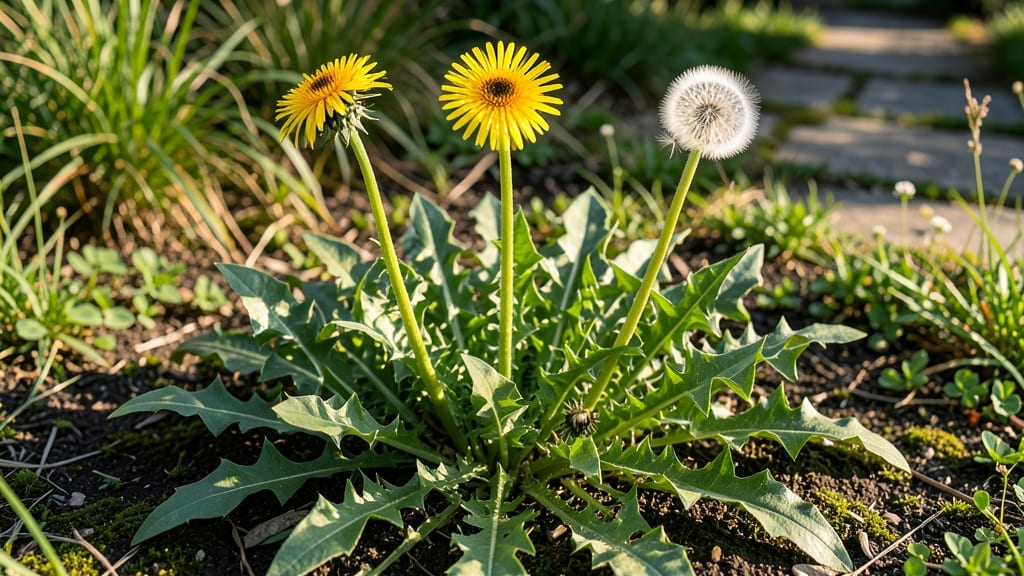
Dandelions do not bloom all summer continuously—they typically flower in early spring, fade by late summer, and may produce a second flush of blooms in fall based on climate and location. Their flowering patterns respond directly to daylight length and temperature changes.
Dandelions actually follow a seasonal rhythm tied to their survival instincts.
In most regions, they burst into bloom as daylight lengthens in spring, then conserve energy during summer's heat. 🌸 What's fascinating is how their cycles adapt—northern climates might see only one bloom period, while milder southern areas often experience fall reblooming.
The key factor is temperature: cooler nights trigger new flower production, which is why you'll spot dandelions popping up again in autumn.
This natural cycle explains why dandelions seem to disappear mid-summer—they're not dead, just resting. Their deep taproots store energy for future growth, making them resilient survivors. For gardeners wanting extended color, maintaining consistent moisture and avoiding heavy pruning during active growth periods can encourage more prolonged flowering.
💡 In This Article
- Dandelion Blooming Seasons by Climate Zone
- Encouraging Extended Dandelion Blooms in Gardens
Dandelion blooming seasons by climate Zone
Dandelions (Taraxacum officinale) are master survivors, and their blooming cycles are directly tied to photoperiodism—the plant's response to daylight length. In temperate climates, they typically bloom when daylight exceeds 12-14 hours per day, which usually occurs in early spring.
This is their primary flowering window, where you'll see those iconic yellow puffballs dominating lawns. The key trigger is a combination of increasing daylight and warming temperatures—once soil reaches 50-55°F, roots activate growth hormones that push up flower stalks.
Regional differences create dramatic variations in blooming patterns. In northern U.S. states (Zones 3-5), dandelions often complete their entire cycle by late June, with no fall reblooming due to shorter daylight.
Meanwhile, in southern states (Zones 7-10), they may continue flowering sporadically through summer, then produce a second flush in fall when cooler nights (60°F) and longer daylight return.
At higher elevations (above 5,000 feet), blooming seasons shift earlier by 2-4 weeks due to cooler temperatures and shorter growing seasons.
What's fascinating is how dandelions "read" their environment. Their flower buds form in response to specific temperature thresholds—typically when nighttime lows drop below 65°F after a period of warmth.
This explains why you'll often see dandelions blooming again in September or October in milder climates: the plants detect the cooling trend and initiate new growth. The deeper the taproot (which can reach 15 feet deep), the more energy the plant stores for these secondary blooms.
Daylight length plays a more subtle but critical role in maintaining blooms. Dandelions are "long-day" plants, meaning they need 14+ hours of daylight to continue flowering. When summer solstice passes and days shorten, most dandelions enter a dormant state—even if temperatures remain warm.
This is why you'll rarely see continuous summer blooming in northern latitudes, while southern regions might experience staggered flowering throughout the season.
Consider this comparison: In Zone 5 (Chicago), dandelions typically bloom April-May with no fall rebloom, while in Zone 9 (Los Angeles), they may flower March-April and again September-October. The difference comes down to these environmental triggers working together—daylight length sets the stage, while temperature fine-tunes the timing.
Even within the same region, microclimates (like urban heat islands) can create 2-3 week variations in blooming schedules.
What this means for observers is that dandelions aren't "lazy" plants—they're following an ancient survival strategy. Their blooming patterns reflect thousands of years of adaptation to seasonal changes, making them one of nature's most reliable indicators of climate conditions. 🌿