
How To
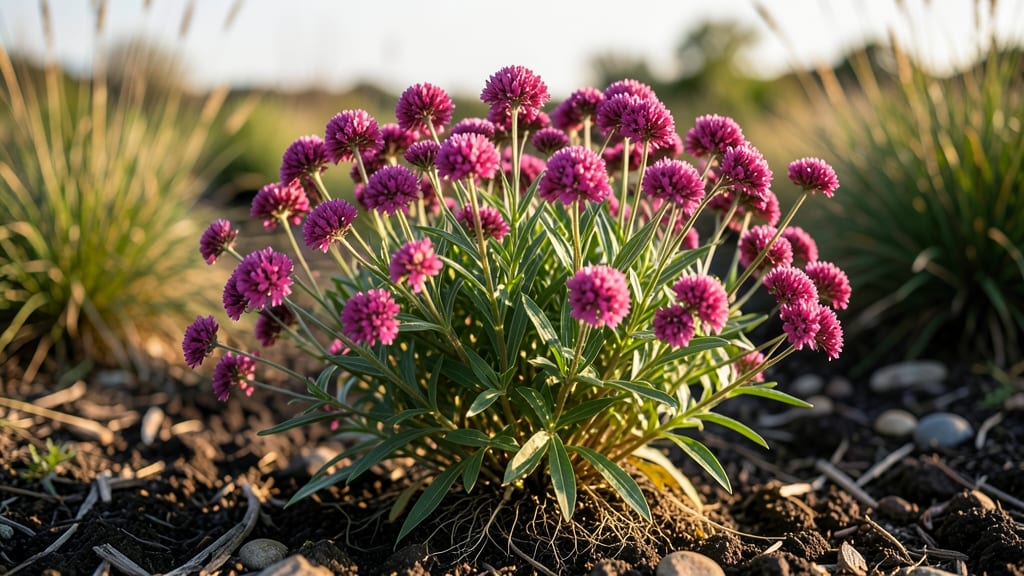
Bachelor buttons can bloom all summer long with the right care, but whether they rebloom depends entirely on the variety—annual types like Gypsophila elegans keep producing flowers nonstop, while perennials like Centaurea cyanus may stop after their first flush unless you deadhead regularly. Consistent moisture and cooler evening temperatures help sustain their flowering.
Most gardeners assume bachelor buttons are one-and-done bloomers, but the truth is far more interesting. 🌸 Annual varieties like Gypsophila thrive on heat and actually reward you with continuous blooms if you keep them well-watered—think of them as the workhorses of summer color.
Perennials, on the other hand, often need a little extra encouragement to rebloom, especially in hot climates where they might go dormant mid-season. The key is understanding each variety's natural rhythm and giving them what they need to keep going.
For example, heat-tolerant cultivars like 'Blue Star' or 'Pink Chiffon' often perform better in southern gardens because they've been bred to handle prolonged warmth. I've found that mulching around the base helps maintain even soil moisture, while deadheading spent blooms redirects energy back into new flowers.
Even a simple adjustment like watering in the early morning instead of evening can make a noticeable difference in how long your bachelor buttons stay vibrant.
💡 In This Article
- Bachelor Button Varieties and Their Blooming Habits
- Extending Bachelor Button Blooms: Pruning and Care Tips
Bachelor button varieties and their blooming habits
The blooming habits of bachelor buttons vary dramatically between annual and perennial varieties, with the key difference lying in their genetic programming. Annual types like Gypsophila elegans (commonly called baby's breath) are bred to produce flowers continuously from early summer until frost, thanks to their short life cycle.
These varieties rely on rapid seed production to complete their lifecycle, which means they'll keep blooming as long as conditions remain favorable. Perennial types like Centaurea cyanus (cornflower) typically produce one main flush of blooms in spring or early summer, then may go dormant unless you intervene.
Temperature plays a critical role in triggering reblooming. Most bachelor button varieties need cooler evening temperatures (65-75°F) to signal the end of their flowering cycle, which is why they often fade in mid-summer heat.
Heat-tolerant cultivars like 'Blue Star' (a perennial cornflower) have been selectively bred to handle 85-95°F daytime temperatures while still producing flowers. The secret lies in their ability to maintain consistent moisture levels in their root zones—something annuals like Gypsophila do naturally through their shallow root systems.
Light exposure also influences blooming patterns. Bachelor buttons need 6-8 hours of direct sunlight daily to produce their best flowers, but too much intense afternoon sun can cause annual varieties to bolt prematurely. Perennials often handle heat better because their deeper root systems can access moisture during drought periods.
I've noticed that partial afternoon shade in hot climates can actually extend the blooming season for perennials by reducing stress on the plants.
Here's what's happening at the cellular level: When bachelor buttons receive consistent moisture and proper nutrients, their meristem cells (growth points) remain active. In annuals, this means continuous flower production, while perennials store energy in their roots for next year's growth.
The key difference is that annuals prioritize immediate reproduction, while perennials balance current blooms with future survival.
Consider these variety-specific traits when planning your garden:
- Annuals (e.g., Gypsophila): Continuous bloomers with 30-60 day life cycles from seed; perfect for cut flowers and mass plantings
- Perennials (e.g., Centaurea): One main flush plus potential reblooming if deadheaded; often more drought-tolerant once established
- Heat-tolerant cultivars: Maintain color in 90°F+ temperatures through specialized root structures and waxy leaf coatings
The science behind reblooming involves plant hormones called florigen, which signal flower production. In annuals, this process continues unabated, while perennials often need external triggers like deadheading to restart the cycle. Understanding these mechanisms helps you choose the right varieties for your climate and care level.