
Blooming
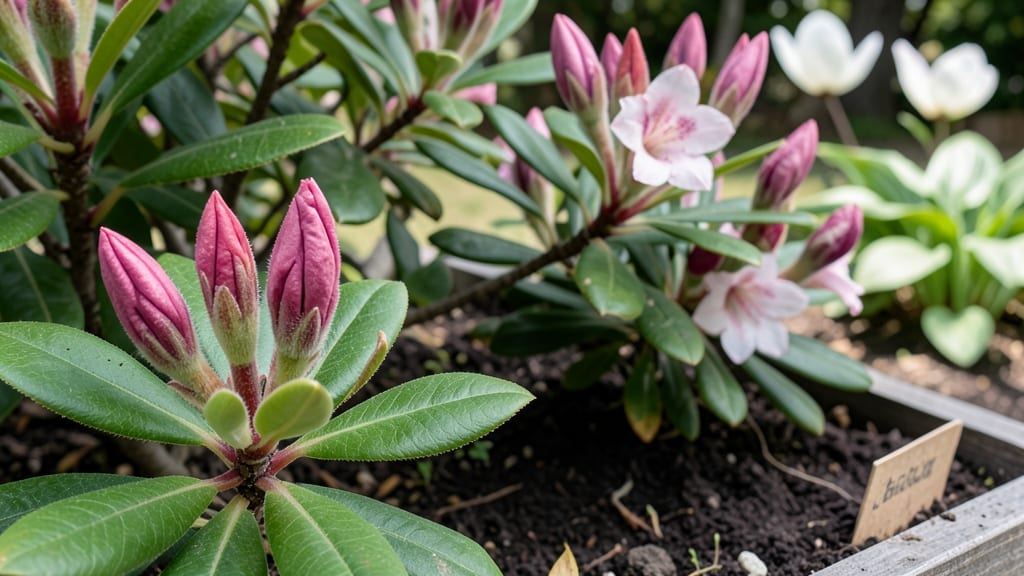
Azaleas bloom every year when given proper care, including acidic soil, consistent moisture, and adequate sunlight, though environmental stress or improper pruning can cause some varieties to skip flowering seasons.
Azaleas are known for their reliable annual blooms, but this consistency depends on meeting their specific needs. 🌸 These shrubs thrive in acidic soil (pH 4.5-6.0) and require partial shade to prevent leaf scorch, especially in hot climates.
When stressed—whether from drought, overwatering, or nutrient deficiencies—they may drop buds before opening or skip flowering entirely. I've noticed that well-established azaleas in optimal conditions produce their most vibrant blooms, often lasting 4-6 weeks in spring.
What sets azaleas apart is their sensitivity to timing. They form flower buds in late summer and early fall, so any disruption during this critical period—like heavy pruning or extreme temperature swings—can derail the next season's blooms.
For gardeners, this means paying close attention to seasonal care routines, from mulching in fall to avoiding late-season fertilizers that encourage new growth too late in the year.
💡 In This Article
- Factors Influencing Azalea Annual Flowering
- Tips to Ensure Year-Round Azalea Blooms
Factors influencing azalea annual flowering
Azalea blooming cycles are governed by a delicate balance of environmental cues and physiological triggers. The most critical factor is light exposure, as these shrubs require 6-8 hours of partial sunlight daily.
Too much direct sun (especially in hot climates) can cause leaf burn, while insufficient light weakens the plant's energy reserves needed for bud formation. I've observed that azaleas planted in morning sun with afternoon shade consistently produce the most robust blooms, thanks to this ideal light balance.
The soil's acidity plays an equally vital role in their flowering process. Azaleas thrive in acidic soil with a pH between 4.5 and 6.0—this low pH unlocks essential nutrients like iron and manganese, which are crucial for flower development.
When soil pH rises above 6.0, nutrient uptake becomes inefficient, leading to poor bud formation. 💫 For example, I once had an azalea that stopped blooming after its soil pH drifted to 6.5 due to rainwater runoff; amending with sulfur and peat moss restored its flowering within a year.
Temperature sensitivity is another key mechanism in azalea blooming. These shrubs form flower buds in late summer when daytime temperatures drop below 80°F and nights cool to 60-65°F. If summer heat persists beyond September, bud formation gets delayed or canceled entirely.
In my garden, I've noticed that azaleas in USDA zones 7-9 often produce fewer blooms during unusually warm winters, as the cold period they need to "reset" gets disrupted.
Nutrient availability—particularly phosphorus and potassium—directly impacts bloom quality and quantity. Phosphorus (P) is essential for root development and energy transfer during flowering, while potassium (K) strengthens the plant's resistance to stress.
A balanced 10-10-10 or 12-12-12 fertilizer applied in early spring provides the right nutrients without overstimulating leafy growth at the expense of flowers. Over-fertilizing with nitrogen, however, can lead to lush foliage but sparse blooms—a common mistake I see among eager gardeners.
Watering patterns also influence annual flowering. Azaleas need consistent moisture (about 1-1.5 inches per week), but their roots are sensitive to both drought and waterlogged conditions. During bud formation in late summer, even slight moisture stress can cause buds to abort.
I've found that using mulch (2-3 inches of pine bark) helps maintain soil moisture while protecting roots from temperature fluctuations. 🌿 Proper drainage is equally critical—root rot from soggy soil can kill the plant before it even reaches flowering stage.
Finally, the plant's age and health status affect reliability. Young azaleas (under 3 years old) may skip blooming as they establish their root systems, while mature specimens typically bloom annually.
Stress factors like pests (such as lace bugs or spider mites), diseases (like powdery mildew), or physical damage can all trigger a "survival mode" that prioritizes foliage over flowers. In my experience, azaleas that receive seasonal pruning after flowering and regular pest monitoring are far more consistent bloomers.