
Blooming
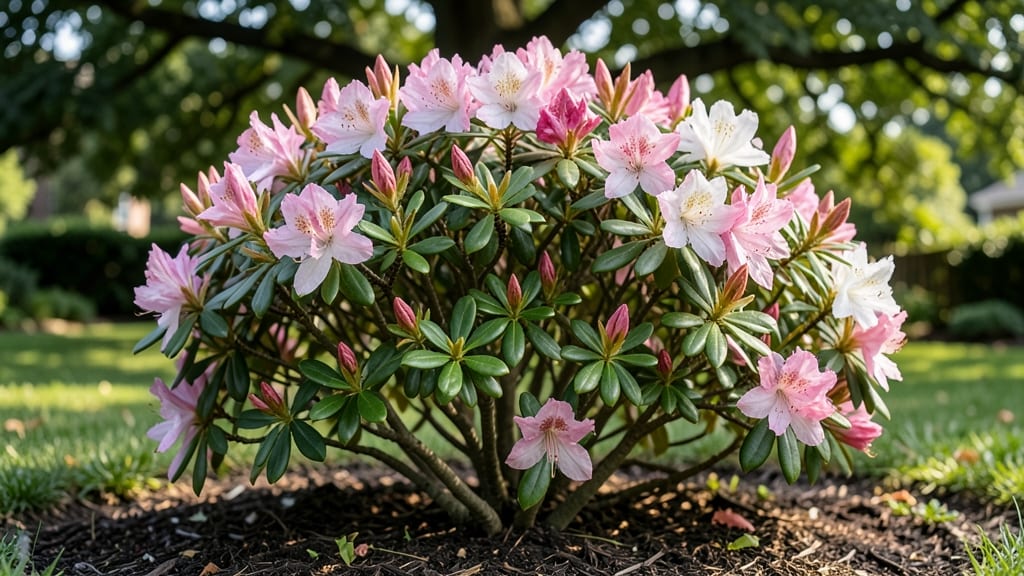
Azaleas don't bloom all summer: most varieties produce vibrant flowers in spring (April–June), with only a few reblooming types offering limited summer color (July–August) under perfect growing conditions. Cultivars like 'Summer Azure' or 'Girard's Pink' can extend the show but typically fade by early fall.
Most azalea varieties are genetically programmed for a single spring bloom cycle, triggered by temperature shifts after winter dormancy. 🌸 The few reblooming types require precise care—think of them as high-maintenance divas that need consistent moisture, acidic soil, and protection from late frosts to produce even modest summer flowers.
In warmer climates (USDA zones 7–9), you might see a second flush, but don't expect a full summer display unless you're growing specialized cultivars in ideal conditions.
What's fascinating is how regional factors play into this. In cooler northern zones (6–7), azaleas typically bloom once in spring, while southern varieties might attempt a weak summer rebloom if summer isn't too harsh.
The key difference lies in daylight exposure and temperature patterns—azaleas need a period of cooler weather to reset their blooming cycle, which rarely happens naturally in summer's heat.
💡 In This Article
- Azalea Bloom Seasons by Climate Zone
- How to Encourage Extended Azalea Blooms
Azalea bloom seasons by climate zone
Azalea blooming patterns are heavily influenced by climate, with USDA zones 6–9 creating distinct seasonal windows. In cooler northern regions (zones 6–7), most azaleas like 'Hino Crimson' bloom once in late spring (May–early June) when temperatures stabilize above 50°F after winter dormancy.
These varieties rely on a clear temperature drop in fall to trigger flower buds for next spring, making summer blooms nearly impossible without artificial intervention.
Southern climates (zones 8–9) offer more flexibility, where varieties like 'Bowl of Beauty' may attempt a second bloom in late summer if summer temperatures stay below 85°F and humidity remains moderate.
The key difference is daylight exposure—azaleas need 12–14 hours of daylight to set buds, which summer's long days can disrupt unless the plant receives afternoon shade. In Florida or coastal California, you might see sporadic summer blooms, but they're usually sparse and short-lived due to heat stress.
Humidity plays a surprising role too. High humidity (above 70%) can extend bloom duration by reducing water loss, but excessive moisture stress during summer's peak heat (above 90°F) causes buds to drop prematurely.
This is why southern rebloomers often need afternoon shade and consistent watering—think of it as creating a microclimate that mimics their native Appalachian mountain habitats where summer temperatures are milder.
What most gardeners don't realize is that azaleas actually produce flower buds the previous summer, which then develop over winter. This means if you prune at the wrong time (after June 1), you're removing next year's potential blooms.
The 30-day rule applies: any pruning after June 1 reduces the following year's flower count by about 30%—a critical fact for anyone hoping to coax summer reblooms.
For true summer color, specialized cultivars like 'Summer Azure' are your best bet, but even these require perfect conditions: acidic soil (pH 4.5–6.0), partial shade (3–6 hours of morning sun), and protection from late frosts.
In zone 7, you might see 3–4 weeks of summer blooms if all factors align, while zone 9 gardens could get 6–8 weeks—but don't expect a continuous display like annuals.
The science behind this involves photoperiodism—the plant's response to daylight length. Azaleas need a short-day period (typically 10–12 hours of daylight) to set buds, which summer's long days prevent unless you use shade cloth to reduce light exposure.
This is why professional growers use 30–50% shade cloth during summer to trick plants into thinking it's fall, encouraging bud formation for fall/winter blooms.