
Blooming
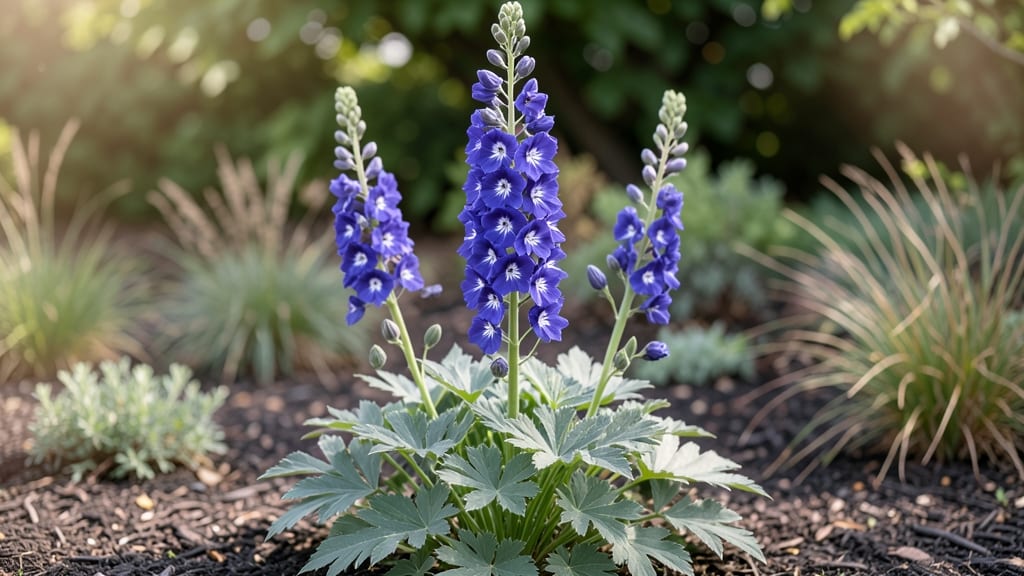
Delphinium blooms typically arrive in late spring to early summer 🌸, transforming your garden into a towering purple dream—but timing can shift dramatically depending on where you live.
If you’ve ever admired delphiniums’ dramatic purple spikes but wondered why they sometimes bloom early—or not at all—this month-by-month guide will unlock the secrets to timing their stunning floral displays.
In USDA Zone 6a, where I garden, delphiniums usually burst into bloom around June, but cooler climates can delay them until July. Meanwhile, milder zones like Zone 8 might see flowers as early as March, proving that location is everything.
Below, I’ll break down how to predict your delphinium’s bloom window, plus pro tips to coax longer-lasting blooms—like deadheading, soil prep, and sunlight secrets—that’ll keep those spikes thriving all summer long.
Delphinium bloom time by US hardiness zones: when to expect flowers
If you've planted delphiniums hoping for those iconic towering purple spikes, timing is everything. These late-spring favorites thrive in cool weather, but their bloom windows shift dramatically depending on your USDA hardiness zone. Understanding these patterns helps you plan companion plants and adjust care for longer-lasting blooms.
Delphiniums typically bloom 60-90 days after planting, but regional climate variations can push this window earlier or later. In cooler northern zones, expect blooms to align with late spring frost dates, while warmer southern zones may see flowers as early as March.
Let's break down what to expect in your area.
| Zone | Bloom Window | Early Varieties | Late Varieties | Key Factors |
|---|---|---|---|---|
| 3-4 | Late June - August | 'Black Knight' (June) | 'Blue Sky' (August) | Short growing season; needs early start |
| 5-6 | May - July | 'Pacific Giant' (May) | 'Elfin' (July) | Moderate climate; ideal for cut flowers |
| 7-8 | td style="padding: 10px; border-bottom: 1px solid #ddd;">March - May'Blue Bird' (March) | 'Fairy Wings' (May) | Longer season; heat-sensitive after May | |
| 9 | February - April | 'White Star' (February) | 'Blue Lagoon' (April) | Winter rains extend growing season |
In Zone 3-4, where winters are harsh, delphiniums often wait until late June to bloom because they need to establish strong roots before flowering. I've found that 'Black Knight' varieties are the most reliable early bloomers in these regions, while 'Blue Sky' extends the season into August.
Gardeners in Zone 5-6 enjoy the classic May-July bloom window, making delphiniums perfect for late spring garden parties. The 'Pacific Giant' series is particularly popular here because it handles moderate summer heat better than other varieties. Planting near early blooming peonies creates a seamless transition from May to July.
For Zone 7-8 gardeners, the real magic happens in March-April when delphiniums burst into color before summer heat arrives. This early bloom makes them ideal for spring container gardens. However, I always warn clients that afternoon shade becomes crucial in June to prevent bud drop from heat stress.
In Zone 9, where winters are mild, delphiniums can bloom as early as February if planted in well-draining soil. The 'White Star' variety is a favorite here because it tolerates cooler winter temperatures better than most.
I've seen some gardeners in Southern California even get year-round blooms with proper water management.
Climate plays a bigger role than most gardeners realize. For example, coastal Zone 8 gardens may see blooms 2-3 weeks earlier than inland areas due to milder temperatures and higher humidity. Similarly, high-altitude Zone 5 gardens might experience delayed blooming because of shorter growing seasons.
To maximize your delphinium's bloom time, pay attention to local frost dates and plant 6-8 weeks before your last frost. In warmer zones, consider giving them a light shade cloth in peak summer to protect those delicate flower spikes from wilting.
Remember that delphiniums are biennials in most zones, meaning they often bloom more prolifically in their second year. This is why Zone 3-4 gardeners sometimes see no blooms the first year - the plant is focusing on root development. Patience is key for that dramatic first flush of flowers!
How to extend delphinium bloom time: pruning, deadheading, and seasonal care
Delphiniums are famous for their towering purple blooms, but their beauty often fades too soon if you don’t prolong the flowering season.
With the right pruning techniques and seasonal care, you can coax your delphiniums into producing second flushes of flowers and keep them blooming for weeks longer. The key lies in understanding when and how to deadhead, prune for regrowth, and prepare them for winter dormancy.
Many gardeners mistakenly think cutting back delphiniums will harm them, but strategic pruning actually stimulates new growth and extends the bloom cycle. By following a month-by-month care schedule, you’ll transform your delphiniums from short-lived showstoppers into long-lasting garden stars.
Let’s dive into the proven methods that work for both perennial and self-seeding varieties.
🌱 Pro Tip: Deadhead at the Right Time
The secret to longer blooms is deadheading spent flowers daily—but only when 1/3 of the bloom has faded. Use clean bypass pruners to snip just above the next set of buds. Avoid cutting into woody stems, as this weakens the plant.
For second flushes, wait until late summer after the first bloom cycle ends. Prune back 1/3 of the stem height to encourage new lateral shoots and a second round of flowers.
Timing matters more than you might think. Early spring pruning (March-April) focuses on removing dead foliage and shaping the plant, while summer deadheading keeps flowers coming. If you live in warmer climates (Zones 7-9), you may even see three bloom cycles in one season with proper care.
The key is to never prune after mid-summer, as this can prevent the plant from hardening off for winter.
Fertilizer plays a critical role in extending bloom time. Use a balanced 10-20-10 NPK formula every 4-6 weeks during the growing season, but switch to low-nitrogen in late summer to promote flowering over foliage growth.
Over-fertilizing with nitrogen will give you leafy monsters instead of blooms. Pair this with consistent morning watering to prevent stress that shortens bloom cycles.
Winter prep is where many gardeners go wrong. Cut back stems to 6 inches in late fall (after the first frost), but leave the basal rosette intact. Apply a 3-inch layer of mulch around the base to protect roots from freeze-thaw cycles.
In Zone 3-5, add a thick layer of straw for extra insulation. This prevents winter dieback and ensures vigorous regrowth in spring.
Watch for these common mistakes that shorten bloom time: overcrowding plants (space them 18-24 inches apart), planting in shade (they need 6+ hours of sun), and skipping deadheading.
Even pests like slugs can decimate buds—use organic slug bait or copper barriers to protect young shoots. With these techniques, your delphiniums will bloom longer and thrive for years.