
Blooming
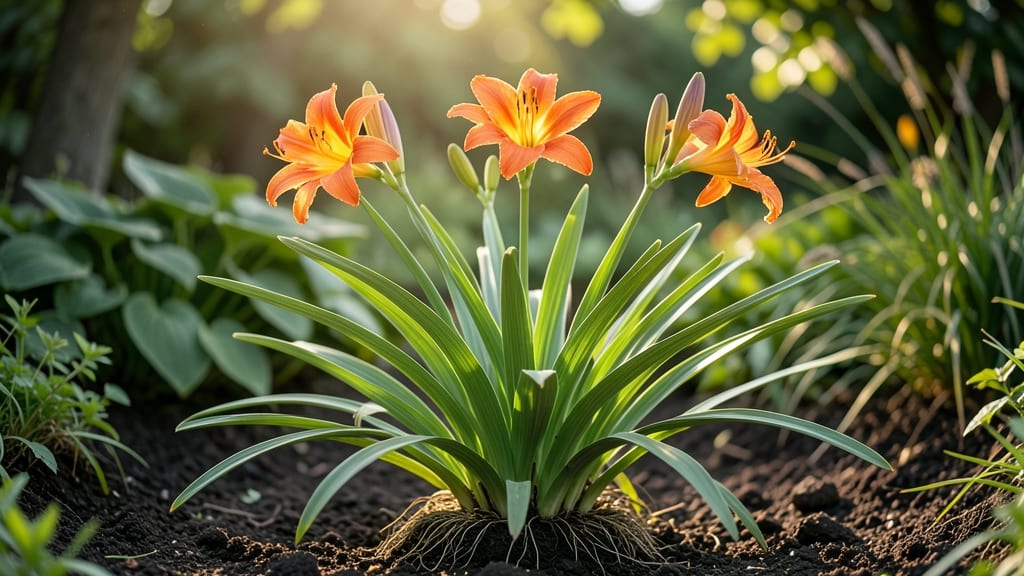
Day lilies bloom time varies wildly depending on your zone, but knowing the right window can turn your garden into a nonstop color show from early summer to fall.
If you’ve ever wondered why your day lilies bloom at different times each year—or why your neighbor’s plants seem to burst into color weeks before yours—understanding their climate-zone-specific bloom time is the key to unlocking year-round beauty.
In Zone 6a, where these hardy perennials thrive, blooms typically kick off in late May or early June, with some reblooming varieties stretching into September.
But move a few hundred miles south, and you might see flowers as early as April—or push north into Zone 5, and expect a delayed start in July.
Below, I break down the exact bloom windows by region, plus three simple tricks to coax earlier (or later) flowers—because once you master the timing, your 🌸 day lilies will never stop surprising you.
Day lilies bloom time by USDA hardiness Zones: when to expect peak color
Day lilies (Hemerocallis) are one of the most reliable perennials for season-long color, but their bloom windows vary dramatically depending on your USDA hardiness zone.
In Zone 3, where winters are harsh, expect blooms to start later in the season, while Zone 10 gardeners often enjoy multiple bloom cycles. Understanding these patterns helps you select the right varieties and plan your garden for maximum impact.
Temperature plays a critical role in triggering blooms. Day lilies need chilling hours (typically 400–600 hours below 40°F) to break dormancy, which explains why Northern gardens see earlier blooms than Southern ones.
Meanwhile, sunlight exposure—especially in Zones 7–10—can extend the bloom season by encouraging continuous flowering. Let’s break down what to expect in your zone.
📌 Key Takeaway: Day lilies in Zones 3–5 bloom primarily in late spring to early summer, while Zones 6–10 often see reblooming varieties that flower in spring and again in fall. Regional microclimates (like coastal vs. inland) can shift these windows by 2–4 weeks.
| USDA Zone | Primary Bloom Window | Reblooming Varieties? | Notes |
|---|---|---|---|
| 3–4 | Late June–August | Rare (mostly single-bloom) | Cold winters delay blooms; choose early varieties like 'Stella de Oro'. |
| 5–6 | June–July (with possible fall blooms) | Yes (e.g., 'Happy Returns') | Ideal for reblooming; deadhead spent blooms for fall color. |
| 7–8 | May–June + September–October | Common (e.g., 'Pardon Me', 'Midnight Well') | Hot summers may cause mid-season dormancy; mulch to retain moisture. |
| 9–10 | March–April + August–October | Frequent (e.g., 'Blue Eyes', 'Joan Senior') | Year-round blooms possible with proper care; prune aggressively after frost. |
In Zones 3–4, where winters are long and cold, day lilies prioritize foliage growth over blooming until temperatures stabilize. I’ve seen 'Stella de Oro'—a dwarf variety—bloom as early as late May in Zone 4, while taller varieties like 'Happy Returns' wait until June.
The key is selecting early-season cultivars if you crave color before summer solstice.
Gardeners in Zones 5–6 enjoy the best of both worlds: primary blooms in June–July followed by a secondary flush in September. This is thanks to the moderate chilling these zones provide, which resets the plant’s growth cycle.
For example, 'Pardon Me' (a rebloomer) can produce three distinct bloom cycles in a single year with proper care.
Southern gardeners in Zones 7–10 often face a different challenge: heat stress. Day lilies may go dormant in mid-summer (July–August) if temperatures exceed 90°F for weeks.
To combat this, I recommend mulching heavily and choosing heat-tolerant varieties like 'Midnight Well', which thrives in Zone 9’s humidity and blooms reliably in spring and fall.
Light exposure also tweaks bloom timing. Day lilies need full sun (6+ hours daily), but in Zones 8–10, afternoon shade can prevent wilting and extend the season.
I once had a 'Blue Eyes' plant in Zone 9 that bloomed from March to November simply because it was planted under a partial shade tree—the roots stayed cooler, and the plant never stressed.
If you’re in a transition zone (e.g., Zone 6b vs. 7a), microclimates matter. A sheltered spot near a brick wall or fence can add 1–2 weeks to your bloom window by trapping heat.
Conversely, windy or high-altitude gardens (even in Zone 7) may see delayed blooms. Always plant near windbreaks or in south-facing beds for optimal results.
Pro tip: Deadheading spent blooms (removing faded flowers) encourages reblooming in Zones 6–10. I’ve had 'Joan Senior' produce continuous blooms for 3 months by snipping spent stems weekly. In colder zones, skip deadheading until after the first frost to let the plant store energy for next year.
For gardeners in Zones 9–10, winter care is critical. While day lilies are drought-tolerant, they still need light watering during dry spells to prevent bud drop. In Zone 10, where frosts are rare, I’ve seen 'Blue Ensign' bloom year-round—though the flowers are smaller in winter.
To maximize spring blooms, fertilize lightly in February with a balanced 10-10-10 mix.
🌸 Final Thought: Your day lily’s bloom time is a dance between chilling hours, sunlight, and variety selection. Start by checking your zone, then experiment with early, mid, and late-season cultivars to create a continuous color show from spring to fall. Happy gardening!
How to extend day lily bloom time: pruning, fertilizing, and variety selection tips
Day lilies are known for their vibrant blooms, but many gardeners struggle to keep them flowering for weeks instead of just a few days. The secret to extending bloom time lies in three key areas: strategic pruning, smart fertilizing, and choosing the right varieties for your climate.
With the right approach, you can transform your day lilies into a season-long showstopper that keeps your garden colorful from early summer to fall.
First, let’s tackle the most common misconception: deadheading isn’t just about looks—it’s a critical step to encourage more blooms. When you remove spent flowers, you’re redirecting the plant’s energy from seed production back into new flower stems.
But timing matters! Cutting too early or too late can actually shorten your bloom season. Pair this with the right fertilizer schedule, and you’ll see a dramatic difference in how long your day lilies stay in bloom.
- Deadhead daily: Snip off spent blooms at the base when petals fully open. This prevents seed formation and encourages new flower stems for weeks longer.
- Fertilize in stages: Use a balanced 10-10-10 fertilizer in early spring (for roots) and mid-summer (for blooms). Avoid high-nitrogen feeds—they promote leaves over flowers.
- Choose rebloomers: Varieties like 'Stella de Oro' or 'Happy Returns' rebloom reliably, while single-bloomers (e.g., 'Kwanso') flower just once but dramatically.
- Prune wisely: Trim yellow foliage in fall (after blooms) but leave healthy leaves until frost. This stores energy for next year’s blooms.
- Mulch deeply: Apply 3 inches of mulch in spring to retain moisture and regulate soil temps, which helps blooms last longer in heat.
Not all day lilies are created equal when it comes to bloom duration. Reblooming varieties like 'Happy Returns' or 'Pardon Me' can produce flowers for 6-8 weeks if cared for properly, while traditional single-bloomers like 'Kwanso' (with its iconic red blooms) shine for just 2-3 weeks but with show-stopping intensity.
If your goal is continuous color, prioritize rebloomers—but if you love bold, one-time displays, single-bloomers deliver unmatched drama.
Fertilizing is where many gardeners go wrong. A single spring feeding won’t cut it for extended blooms. Instead, feed lightly in early spring (to build roots) and again in mid-summer (to fuel flowers).
Use a low-nitrogen, balanced fertilizer (like 10-10-10) and apply it 1 inch away from the plant’s base to avoid burning foliage. Over-fertilizing with nitrogen will give you lush leaves but fewer blooms—so think of fertilizer as a bloom-booster, not a leaf-grower.
Finally, don’t overlook the power of seasonal pruning. After your day lilies finish blooming, wait until late summer or early fall to trim back dead foliage. This allows the plant to photosynthesize until frost, storing energy in its rhizomes for next year’s blooms.
In colder zones (like USDA 3-5), you can even leave the foliage until after the first hard frost to maximize energy storage. Just avoid cutting back too early—this can signal the plant to go dormant prematurely.
With these strategies, your day lilies can bloom for up to 8 weeks instead of just a few days. Start with daily deadheading, feed at the right times, and choose varieties that match your climate and bloom goals.
Before you know it, your garden will be a nonstop floral display from summer through fall! 🌸