
Blooming
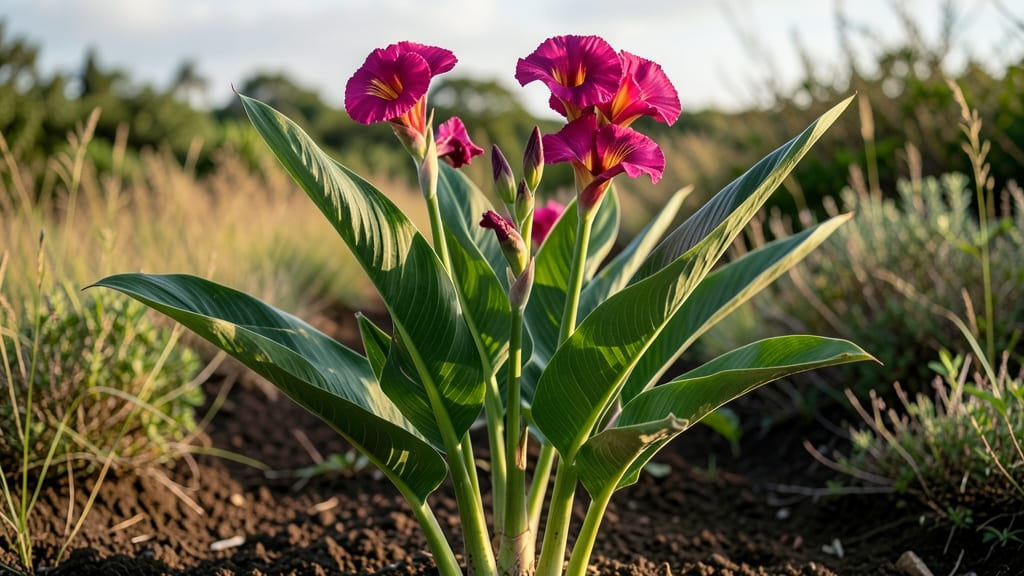
Your canna lilies bloom in late summer and fall 🌺 — but timing depends on your zone, and skipping a few key steps could leave you staring at bare stalks.
If you’ve ever planted cannas hoping for vibrant blooms—only to be met with silence from your garden—you’re not alone. The secret to stunning canna flowers lies in understanding their zone-specific bloom windows and how to coax reblooming magic from these tropical showstoppers.
From Zone 6a’s first blooms in July to Southern gardens pushing color into October, the right care makes all the difference. Deadheading spent blooms, feeding at the right time, and protecting tender rhizomes from early frost can turn a one-time show into weeks of color.
Here’s what you need to know: the ideal months for your region, how sunlight and soil trigger blooms, and the simple tricks to extend your canna’s show—plus whether they’ll return next year or need replanting.
When do cannas bloom? Month-by-month guide by USDA hardiness Zones
Canna lilies are tropical showstoppers that thrive in USDA Zones 7-11, but their bloom timing varies dramatically depending on where you live. In Zone 7, you’ll see flowers from mid-July to frost, while Zones 9-11 enjoy blooms from June through October.
The key? Understanding your zone’s frost-free window and how it triggers dormancy.
Cannas are frost-sensitive perennials—they die back when temperatures drop below 30°F, but their rhizomes survive underground. In colder zones (Zone 7-8), they often bloom later in the season, while warmer zones (Zone 9-11) can enjoy extended bloom seasons with proper care.
Let’s break it down by month and zone.
In Zone 7, cannas typically bloom from mid-July to September, with flowers appearing about 90-120 days after planting. The first frost signals dormancy, so gardeners here often dig up rhizomes before winter.
Meanwhile, Zones 9-11 enjoy a 3-6 month bloom window, starting as early as May and lasting into fall.
Climate plays a huge role—Southern gardeners (Zones 9-11) can grow cannas as perennials year-round, while Northern gardeners (Zones 7-8) must treat them as tender perennials or dig them up annually. Even in warm zones, late-season frosts can cut blooms short, so timing your planting is critical.
For reblooming varieties like ‘Striped Beauty’ or ‘Wyoming’, you’ll see multiple bloom cycles if you deadhead spent flowers and fertilize regularly. In contrast, seasonal bloomers like ‘Cleopatra’ produce one flush of flowers before fading. Knowing your variety’s tendencies helps you set realistic expectations for bloom duration.
Light exposure also shifts bloom timing—full sun (6+ hours) triggers earlier and more abundant blooms, while partial shade delays flowering but protects leaves in hot climates. If your cannas are skipping blooms, check their light conditions first—too much shade can lead to lush foliage but few flowers.
Watering matters too: consistent moisture encourages strong stems and vibrant blooms, but overwatering can cause rhizomes to rot. Aim for 1-1.5 inches of water weekly, adjusting for rain. In drought-prone areas (Zones 9-11), mulching helps retain moisture and extends the bloom season.
One common mistake? Assuming cannas bloom immediately after planting. In reality, they take 60-90 days to establish roots and produce flower stalks. Patience pays off—healthy rhizomes planted in well-draining soil will reward you with bold, tropical blooms all season long.
To maximize your canna’s bloom potential
5 Proven tricks to extend canna bloom time & encourage reblooming
Canna lilies are famous for their bold, tropical blooms—but many gardeners miss out on their full potential. The key to longer bloom seasons and reblooming lies in understanding their needs.
Unlike one-time bloomers, some canna varieties can produce flowers all summer long with the right care. Here’s how to unlock their full flowering potential.
First, let’s address the biggest misconception: not all cannas rebloom naturally. Varieties like ‘Wyoming’ and ‘Pactolus’ are one-and-done bloomers, while others like ‘Striped Beauty’ or ‘Clevelandii’ can produce multiple flushes of flowers with proper care.
Knowing your variety is step one—but the real magic happens in how you nurture them.
🌺 5 Proven Tricks for Longer Bloom Time
- 1. Master Deadheading – Snip spent blooms right at the base with clean pruners. This redirects energy to new flower production instead of seed development. Do this every 2-3 days during peak bloom for the best results.
- 2. Fertilize Strategically – Use a balanced 10-10-10 fertilizer every 4-6 weeks during active growth. Switch to a low-nitrogen, high-phosphorus (5-10-10) blend when buds form to boost flowering.
- 3. Water Deeply & Consistently – Cannas love moisture but hate soggy roots. Water deeply in the morning (1-2 inches per week) and mulch to retain moisture. Avoid overhead watering to prevent fungal issues.
- 4. Optimize Light Exposure – Full sun (6+ hours) is non-negotiable for reblooming varieties. If your cannas are in partial shade, move them to a sunnier spot gradually to avoid shock.
- 5. Adjust for Your Zone – In Zones 7-9, cannas can rebloom if you cut back faded foliage in early fall and protect rhizomes from light frosts. In Zones 10-11, they may bloom year-round with consistent care.
One trick many gardeners overlook is pruning strategically. After the first flush of blooms fades, trim back one-third of the foliage to encourage a second round of growth. This works best for reblooming varieties like ‘Australia’ or ‘Durban’. Just avoid heavy pruning in late summer—it can stunt fall blooms.
For fertilizer timing, think of it as a bloom booster. Start with a light feed in spring to build roots, then switch to a phosphorus-heavy formula when buds appear.
Over-fertilizing with nitrogen (the first number in NPK) will give you lush leaves but fewer flowers. Aim for a 2:1 ratio of phosphorus to nitrogen during bloom season.
Light exposure is often the difference between a one-time bloom and a season-long show. If your cannas are in a container, rotate them weekly so all sides get even sun.
In shady gardens, consider reflective surfaces (like white walls or mulch) to bounce extra light onto your plants. Even an extra hour of sun can trigger more buds.
Finally, seasonal adjustments make all the difference. In cooler zones (7-8), dig up rhizomes before frost and store them in dry peat moss until spring. In warmer zones (9-11), leave them in the ground and reduce watering in winter to encourage spring reblooming.
The goal? Keep your cannas stressed just enough to push new growth—and new flowers.