
Blooming
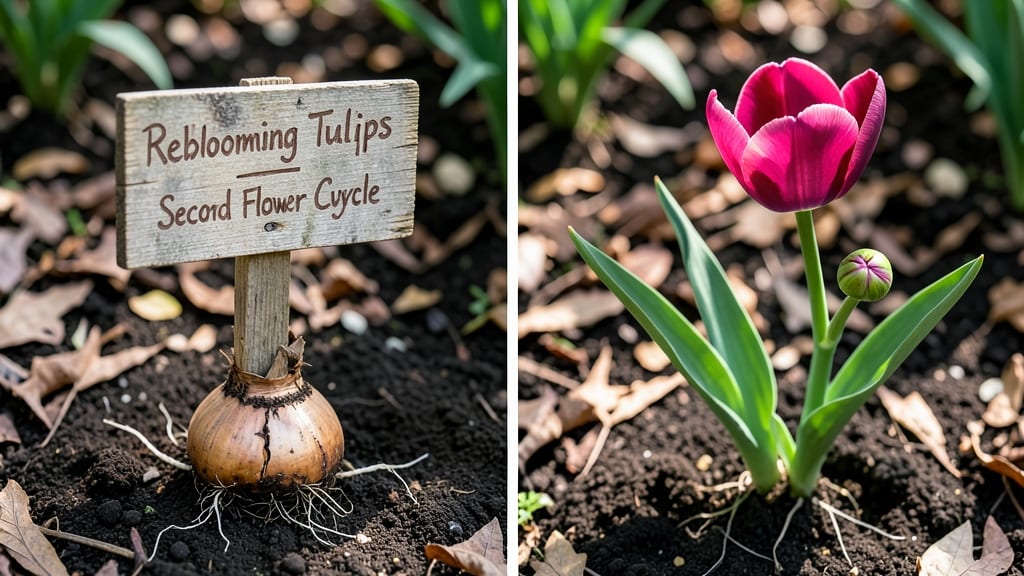
Can tulips bloom twice in one season? Most tulips bloom just once because their energy reserves deplete after flowering, but certain varieties like Tulipa fosteriana or Darwin Hybrid can rebloom with proper care—cutting spent blooms, fertilizing, and avoiding bulb exhaustion. Standard tulips require rest to store energy for next year’s bloom.
Tulips store energy in their bulbs like a battery, and flowering drains that power. 🌷 When you see those vibrant blooms, the plant is essentially "spending" its stored carbohydrates to produce flowers and seeds.
Reblooming varieties like Darwin Hybrid have a slightly different energy allocation system, allowing them to produce a second flush under ideal conditions.
The key to encouraging reblooming lies in mimicking nature's timing—removing spent blooms promptly and feeding the bulbs with balanced fertilizer (like a 10-10-10 NPK ratio) to replenish their reserves without overburdening them.
Most gardeners miss the reblooming window because they don't understand the plant's energy cycle. Forcing a second bloom too early can exhaust the bulb completely, leaving you with weak or no flowers next spring.
I've found that patience pays off—wait until after the first bloom fully fades, then provide consistent care through the growing season. Even then, don't expect dramatic results from your average Dutch tulip variety; the rebloomers are specifically bred for this trait.
💡 In This Article
- Why Most Tulips Bloom Only Once and Their Seasonal Energy Cycle
- Step-by-Step Guide to Encouraging Tulip Reblooming
Why most tulips bloom only once and their seasonal energy cycle
The reason most tulips bloom just once per season comes down to their energy storage system. Tulip bulbs act like natural batteries, storing carbohydrates—primarily starches and sugars—during the growing season. When the plant flowers, it converts these stored reserves into the energy needed to produce blooms, leaves, and seeds.
This process depletes the bulb's energy stores, leaving little left for a second bloom cycle. 🌱 For example, a standard Dutch tulip bulb may contain around 20-30% starch before flowering, but after blooming, that number can drop to just 5-10%, leaving the bulb too weak to produce another flush of flowers.
Reblooming tulip varieties, like Darwin Hybrid or Tulipa fosteriana, have a slightly different energy allocation strategy. These varieties are bred to store more carbohydrates in their bulbs and can replenish their reserves faster after the first bloom.
For instance, Darwin Hybrid tulips can store up to 25-35% starch in their bulbs, giving them the extra energy needed for a second bloom. However, even these varieties require careful management—over-blooming can still weaken the bulb, reducing future flowering potential.
The key difference lies in their ability to balance energy expenditure between flowering and bulb storage.
Seasonal timing plays a critical role in this energy cycle. Tulips follow a natural rhythm where they bloom in early spring, then enter a dormant period to conserve energy for the next season.
Forcing a second bloom too early disrupts this cycle, as the plant hasn't had time to replenish its reserves. 🌿 For example, if you cut back the first bloom but don't provide adequate fertilizer (like a balanced 10-10-10 NPK ratio), the bulb may not have enough nutrients to produce a second set of flowers.
This is why gardeners often see weak or no reblooms—the plant is still recovering from the first bloom and hasn't had time to build up its energy stores.
Another factor is the trade-off between flowering and bulb development. When a tulip blooms, it prioritizes producing seeds and flowers over storing energy in the bulb.
This means that even if the bulb has enough starch to produce a second bloom, the plant may not allocate enough resources to both flowering and bulb storage simultaneously.
For example, a single-bloom tulip like the Parrot tulip may produce stunning flowers but leave the bulb with minimal reserves for the next season. In contrast, reblooming varieties are bred to strike a balance, allowing them to produce a second bloom while still maintaining enough energy for future growth.
Understanding this energy cycle helps explain why most tulips bloom only once. The plant's primary goal is to ensure the survival of the species by producing seeds, not to maximize the number of blooms in a single season.
For gardeners looking to encourage reblooming, the focus should be on supporting the bulb's ability to replenish its energy stores after the first bloom, rather than forcing a second bloom at the expense of the plant's long-term health. 💡 This means providing consistent care, including proper fertilization, watering, and deadheading, to give the bulb the best chance of producing a second flush of flowers.
One common misconception is that all tulips can rebloom with the right care. While it's true that certain varieties are more likely to rebloom, even these can fail if not given the right conditions.
For example, fritillary tulips are known for their ability to rebloom, but they still require well-draining soil and consistent moisture to perform at their best. The bottom line is that reblooming tulips are a reward for patience and careful management, not a guarantee.
By understanding the plant's energy cycle, gardeners can make informed decisions about which varieties to plant and how to care for them to maximize their blooming potential.