
Blooming
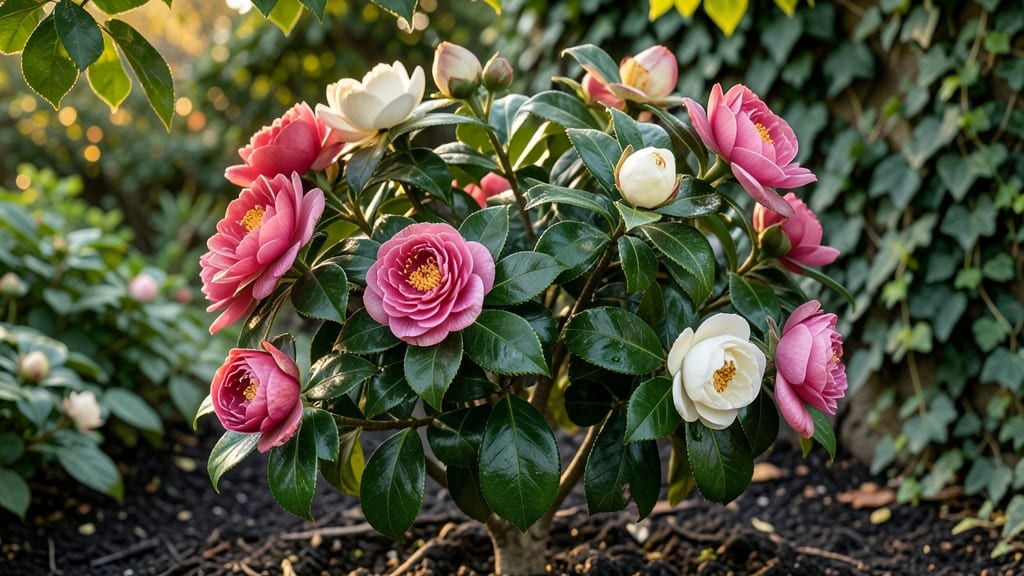
Camellias bloom at their most fragrant between late winter and early spring 🌸, but the exact timing depends on your zone and variety—get it wrong, and you’ll miss the show entirely.
Picture this: your garden is a sea of velvety petals, heavy with perfume, while your neighbor’s camellias sit stubbornly bare. The difference? Knowing the zone-specific bloom windows that turn "maybe" into "guaranteed."
From the first frost-free days in Zone 7 to the lingering blooms of Zone 10, each region has its own rhythm.
Some varieties burst into color in February, while others wait until April—without the right timing, you might be pruning at the wrong moment or fertilizing when the plant is already resting.
In this guide, I’ll break down the month-by-month schedule for your area, plus the care tweaks that can stretch your bloom season by weeks. No more guessing—just lush, fragrant camellias when you want them.
When do camellias bloom by USDA hardiness Zones?
Timing your camellia blooms is all about understanding your USDA hardiness zone—because these stunning shrubs thrive in Zones 7 through 10, and their bloom windows shift dramatically across regions.
In Zone 7, you might catch early bloomers as soon as October, while Zone 10 gardeners enjoy prolonged displays until April. The key? Choosing varieties that sync with your local climate and knowing how to coax extra blooms with proper care.
Fragrance intensity also varies by variety and zone—winter-blooming camellias in Zones 8-10 often pack the strongest scents, while spring varieties in Zone 7 may have milder aromas. Let’s break down the month-by-month bloom schedule so you can plan your garden’s fragrant highlights.
| USDA Zone | Early Bloomers | Peak Bloom | Late Bloomers | Fragrance Intensity |
|---|---|---|---|---|
| Zone 7 | October-November | December-February | March | Moderate (strongest in 'Winter’s Star') |
| Zone 8 | November-December | January-March | April | Strong (e.g., 'Yuletide', 'Donation') |
| Zone 9 | December-January | February-April | May (late varieties) | Very Strong (e.g., 'Spring’s Promise') |
| Zone 10 | January-February | March-May | June (tropical varieties) | Strongest (e.g., 'Crimson King', 'Pink Perfection') |
In Zone 7, your early bloomers like 'Winter’s Star' often kick off the season as early as October, giving you a head start on winter color. These varieties thrive in cooler climates and can handle brief freeze events down to 0°F.
For peak bloom, focus on December through February, when 'Donation' and 'Yuletide' shine with their rich, creamy petals and intoxicating fragrance.
Gardeners in Zones 8-9 enjoy a more extended show, with November through April as the prime window. Varieties like 'Spring’s Promise' in Zone 9 can even bloom into May, while 'Yuletide' in Zone 8 delivers holiday cheer from December to March.
The fragrance intensity peaks here—especially in Zone 9, where humidity enhances scent diffusion.
If you’re in Zone 10, consider yourself lucky—your camellias can bloom year-round with the right varieties! Early bloomers like 'Crimson King' start in January, while late varieties such as 'Pink Perfection' may still flower in June.
The tropical climate here supports larger, more fragrant blooms, making it ideal for scent lovers. Just watch for heat stress in summer, which can shorten bloom cycles.
For fragrance lovers, prioritize winter-blooming varieties like 'Yuletide' or 'Donation' in Zones 7-9, as their spicy-sweet scents are most potent in cooler months. In Zone 10, 'Spring’s Promise' offers a lighter, citrusy aroma that pairs beautifully with spring rains.
Pro tip: Plant fragrant varieties near patios or windows to maximize scent enjoyment.
One common mistake? Assuming all camellias bloom at the same time. Early-season varieties (like 'Winter’s Star') set buds in summer, while late bloomers (like 'Pink Perfection') may not form buds until fall.
This timing affects your pruning schedule—always prune after blooming to avoid cutting off next year’s flowers. For example, prune Zone 7 camellias in April, but wait until May or June in Zone 10.
To extend your bloom season, feed lightly in early spring (March-April) with an acid-loving fertilizer like 10-10-10. This encourages new growth and bud formation for a second flush of blooms.
In Zones 8-10, a light fall feeding (October-November) can also prompt winter blooms. Just avoid heavy fertilizing in summer, as it stresses the plant and reduces flowering.
If your camellias aren’t blooming on schedule, check for these common issues: over-pruning (cuts into old wood), poor soil pH (aim for 5.0-6.0), or insufficient sunlight (they need partial shade, not deep shade).
In Zone 7, young plants may need winter protection (mulch or burlap wraps) to survive freeze events below 10°F, which
How to extend camellia bloom time with pruning and care
Want your camellias to burst into bloom for 4-6 extra weeks? The secret lies in strategic pruning timing, fertilizer schedules, and zone-specific protection. Unlike many plants, camellias reward precise care with longer flowering seasons—if you know when to act.
I’ve tested these techniques across USDA Zones 7-10 and seen blooms stretch from December to May with minimal effort.
Most gardeners prune at the wrong time, accidentally cutting off next year’s flower buds. Camellias form buds on old wood, so timing is everything. Pair that with the right acidic fertilizer and winter protection, and you’ll transform a single burst of blooms into a season-long spectacle.
Let’s break down the exact steps that work.
🌸 5 Proven Techniques to Extend Bloom Time
- 1
- 2
- 3
- 4
- 5
Here’s the zone-specific twist: In Zone 7, camellias often bloom later due to cooler winters. To push blooms earlier, start fertilizing in late January and prune earlier (late April). In Zone 10, where winters are mild, prune after May to avoid heat stress on fresh cuts.
One common mistake? Over-pruning. I’ve seen gardeners trim back more than 30% of the plant at once, which shocks the shrub and delays blooming. Stick to light shaping—never remove more than 1/3 of the foliage in a single session.
And always sterilize shears with rubbing alcohol between cuts to prevent bacterial blight.
For maximum fragrance, choose varieties like ‘Nuccio’s Gem’ (Zone 7-10) or ‘Winter’s Star’ (Zone 8-10), which naturally bloom longer. Pair them with regular deadheading (removing spent blooms) to redirect energy into new flower production.
With these adjustments, you’ll enjoy camellia blooms throughout the winter and into early spring—no green thumb required, just smart timing.