
Blooming
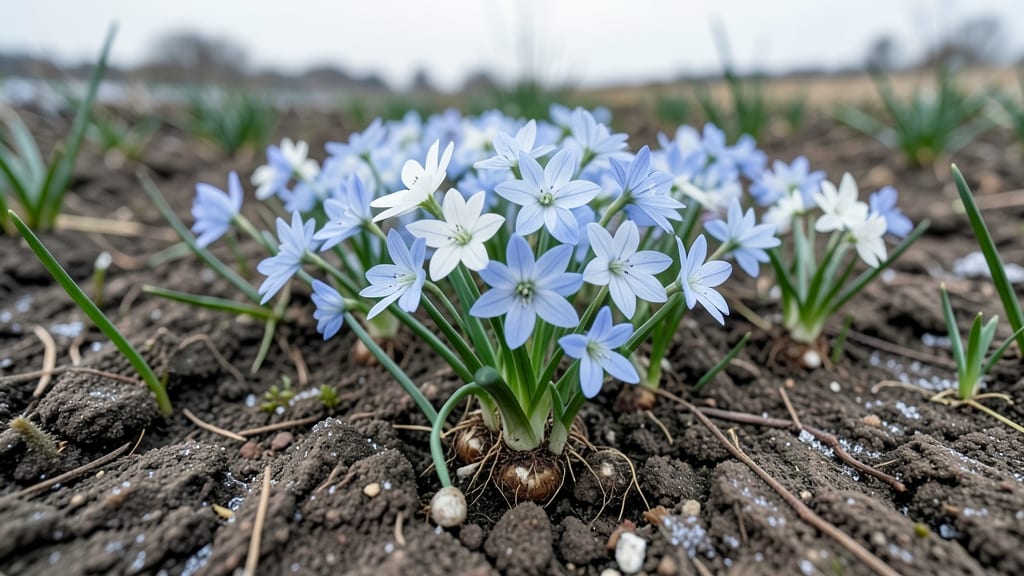
Winter gardens don’t have to be dull—these seven cold-hardy bulbs defy seasonal expectations by thriving in chilly weather and delivering vibrant blooms when most plants rest. Perfect for adding color to shady corners, containers, or early-season landscapes, these varieties prove that winter can be just as stunning as spring.
Snowdrops for Early Winter Cheer
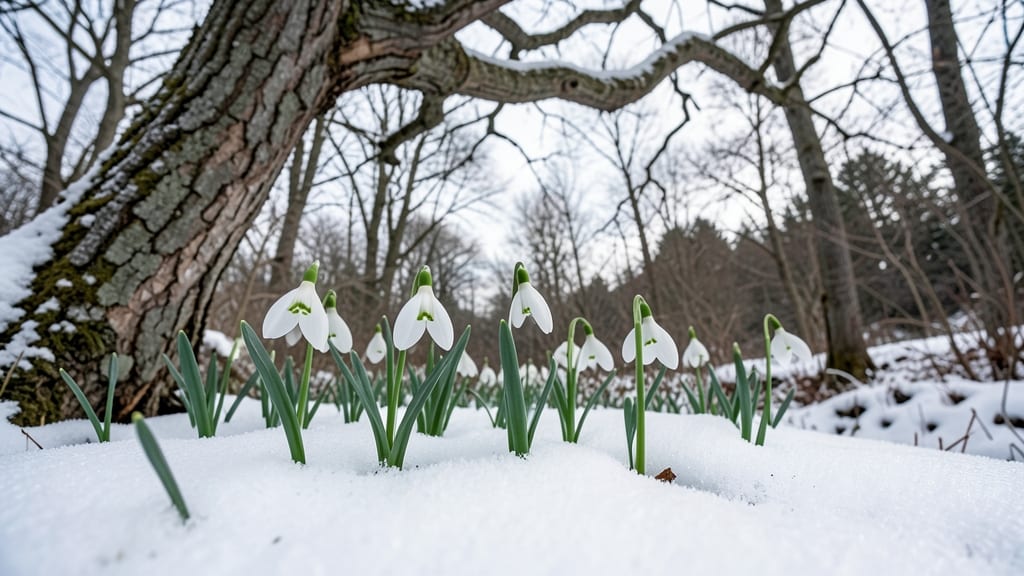
When winter feels endless, snowdrops (Galanthus) burst through snow with their delicate white blooms, offering a quiet promise of spring. These hardy bulbs thrive in shady, woodland conditions where sunlight is scarce, making them ideal for under trees or north-facing borders.
Plant snowdrops in well-draining soil with partial to full shade, and they’ll reward you with blooms as early as December or January. Their low-maintenance nature makes them perfect for gardeners who want winter color without fuss—just water occasionally during dry spells.
Perfect for woodland gardens or urban spaces with limited sun, snowdrops symbolize resilience and hope, lifting spirits on dreary winter days. 🌱
Winter Aconite for Sunny Spots
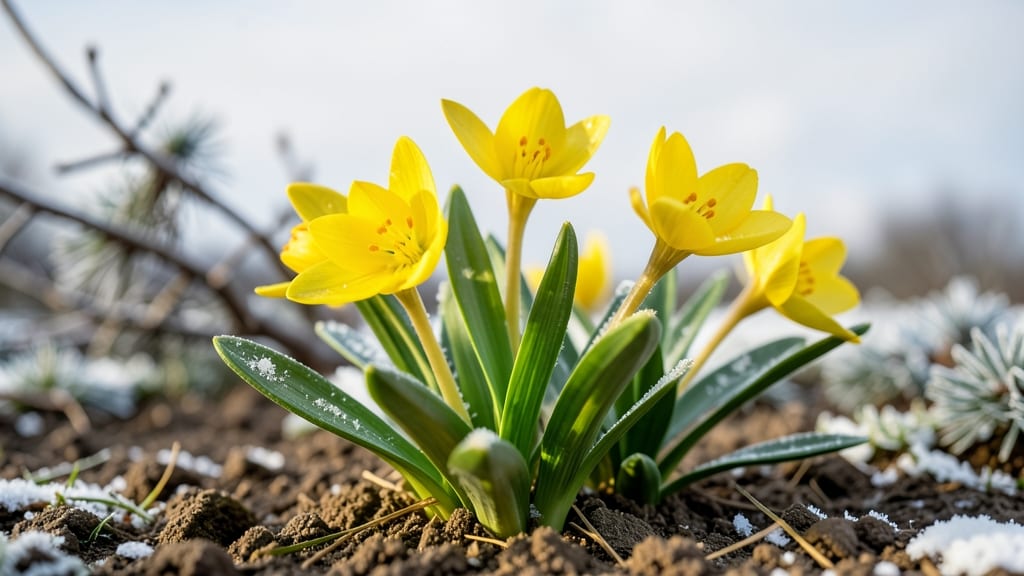
If you crave a burst of sunshine in your winter garden, winter aconite (Eranthis hyemalis) delivers with its cheerful bright yellow blooms that appear as early as December—often while snow still lingers. Unlike many winter bulbs, this one thrives in full sun or partial shade, making it perfect for sunny rock gardens, containers, or even urban balconies where warmth lingers.
Plant the bulbs in well-draining soil in early fall (they need a cold period to bloom), and they’ll reward you with pollinator-friendly flowers that brighten up early winter. Their compact size (6–12 inches tall) and early bloom time also make them ideal for layering under spring perennials or alongside evergreens. Just avoid soggy soil—they prefer drier conditions.
This bulb is a game-changer for gardeners in USDA zones 4–8, offering color when most plants are dormant. Perfect for rock gardens, containers, or even as a low-maintenance ground cover, winter aconite proves that sunny spots can stay vibrant all winter long. ✨
Crocus for Late-Winter Color
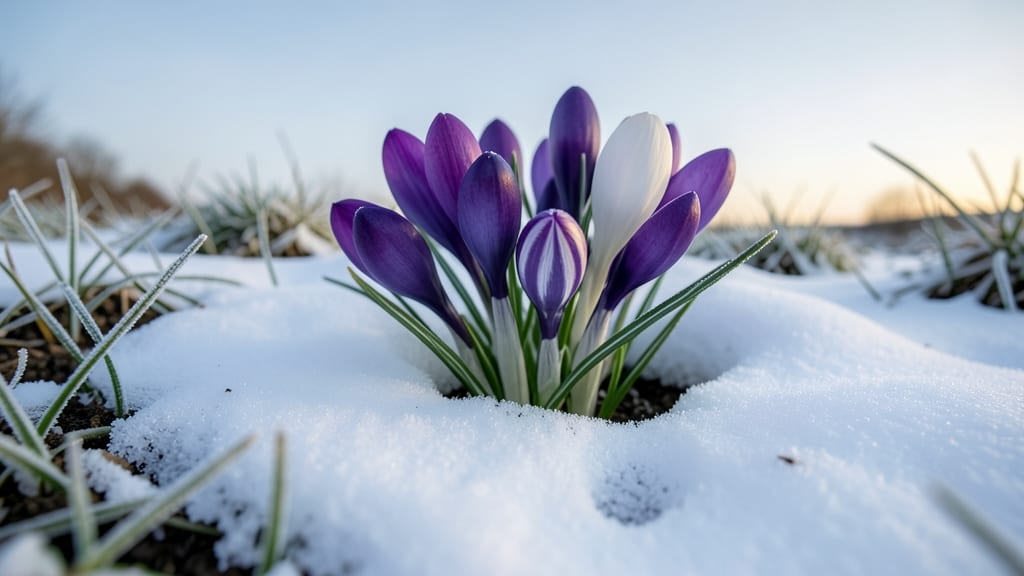
When most gardens are tucked under a blanket of snow, hardy crocus bursts through with cheerful purple, white, or striped blooms—often as early as January. These winter warriors thrive in USDA Zones 3-8, making them perfect for cold climates where other plants struggle to survive.
Plant bulbs in fall (October-November) 3-4 inches deep in well-draining soil, and they’ll reward you with low-maintenance color for years. Crocus naturalizes effortlessly in lawns or borders, and their deer-resistant nature makes them a stress-free choice for rural gardens. A single clump can multiply into a vibrant carpet over time.
Ideal for gardeners who want instant winter interest, crocus also attracts early pollinators like bees—helping kickstart your garden’s ecosystem. 🌻
Paperwhite Narcissus for Indoor Blooms
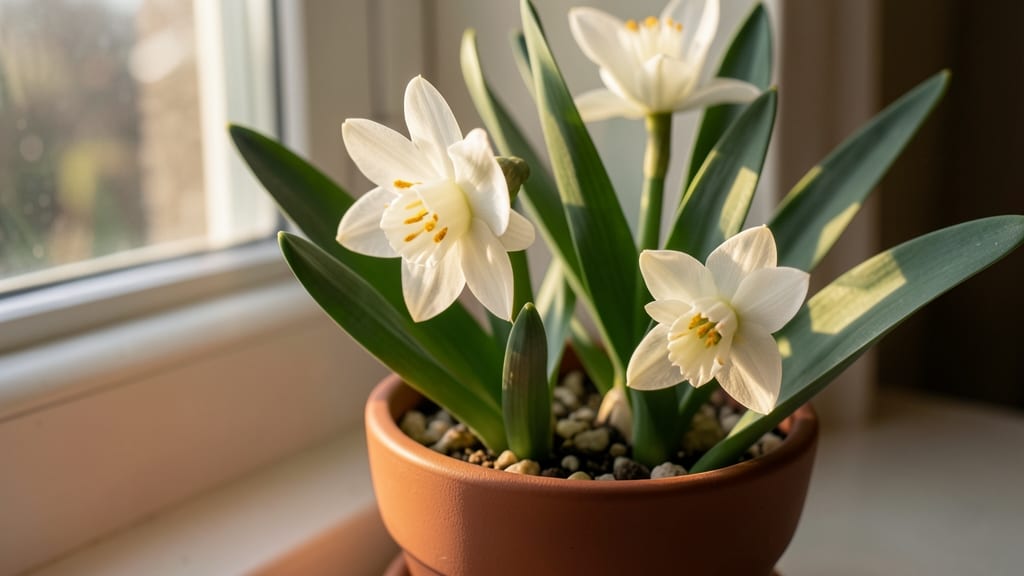
Skip the sun and bring winter cheer indoors with paperwhite narcissus—a fragrant, low-light superstar that blooms without sunlight. These bulbs thrive in pots, filling your home with a sweet, honey-like scent perfect for holiday tables or early spring forcing.
Plant paperwhite narcissus in well-draining soil and water sparingly to avoid rot. They’ll bloom in just 6-8 weeks, even on a windowsill, making them ideal for urban gardeners or anyone with limited outdoor space. The bulbs are also drought-tolerant once established, requiring minimal care after planting.
This is the perfect bulb for beginners or anyone wanting instant winter color without the fuss. 🌱
Hellebores for Shade-Loving Elegance
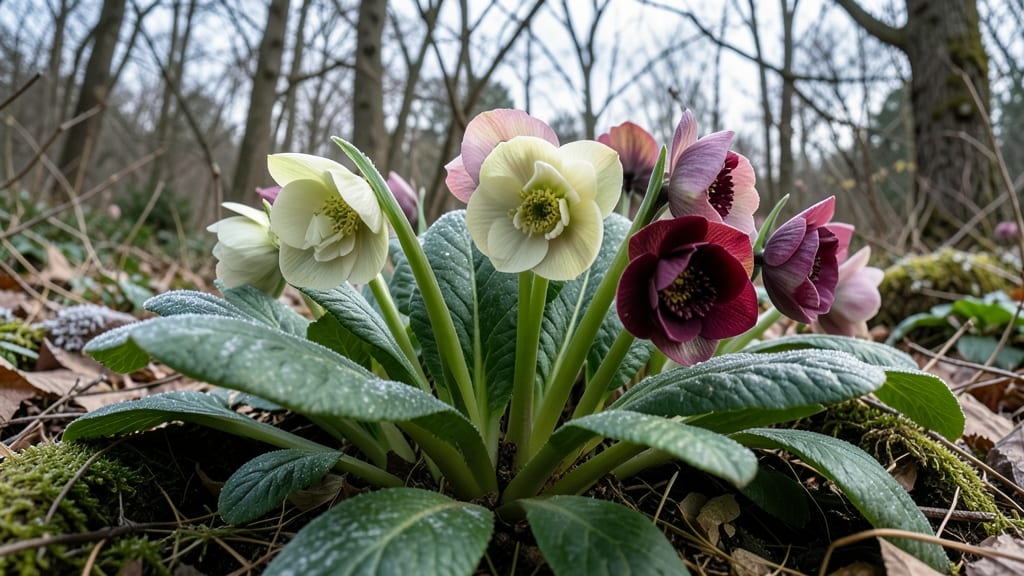
When your garden feels like a monochrome canvas in winter, hellebores (Helleborus) step in as the unsung heroes, offering year-round interest with their evergreen foliage and delicate blooms that emerge from late winter through spring. Unlike other winter bulbs that demand sunlight, these shade-loving perennials thrive where 6+ hours of direct sun would scorch most plants, making them perfect for understory planting beneath trees or along north-facing walls.
Hellebores deliver nodding flowers in soft pinks, whites, or even deep greens, adding texture and color to dark corners where other bulbs fail. They’re drought-tolerant once established and deer-resistant, requiring minimal care beyond occasional division every 3–4 years. For best results, plant them in well-draining, slightly acidic soil and mulch with leaf litter to mimic their woodland habitat.
These elegant perennials are ideal for gardeners with shady spots who want low-maintenance beauty—whether you’re filling gaps in perennial borders or creating a woodland garden. Their long bloom time and resilience make them a standout choice for winter color. 💚
Glory-of-the-Snow for Bold Winter Statement
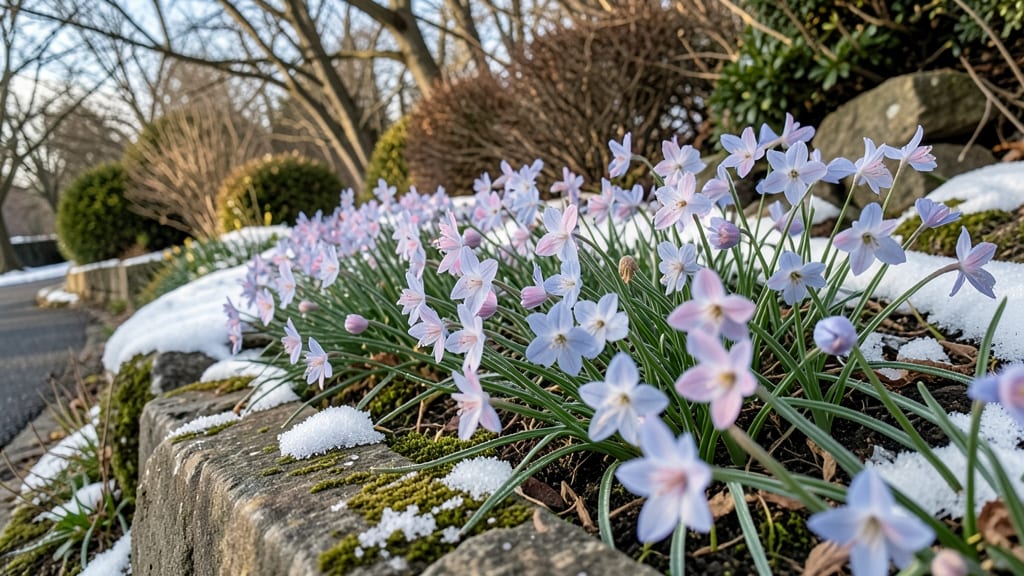
When you crave a bold splash of color in late winter, glory-of-the-snow (Chionodoxa) delivers with its sky-blue or soft-pink star-shaped blooms that appear like magic after snow melt. Unlike many winter bulbs, this variety thrives in full sun to partial shade, making it versatile for borders, rock gardens, or even containers on patios.
Plant bulbs in fall (October-November) at 3-4 inches deep in well-draining soil, and they’ll multiply over time, creating naturalizing drifts. The 3-4 inch tall flowers bloom in February-March, often before grass even greens up, giving you a head start on spring cheer. Deadhead spent blooms to encourage more flowers next year.
This is the perfect choice for gardeners who want low-maintenance drama—it’s deer-resistant, drought-tolerant once established, and pairs beautifully with early crocus or snowdrops. 🌟
Siberian Squill for Low-Maintenance Ground Cover
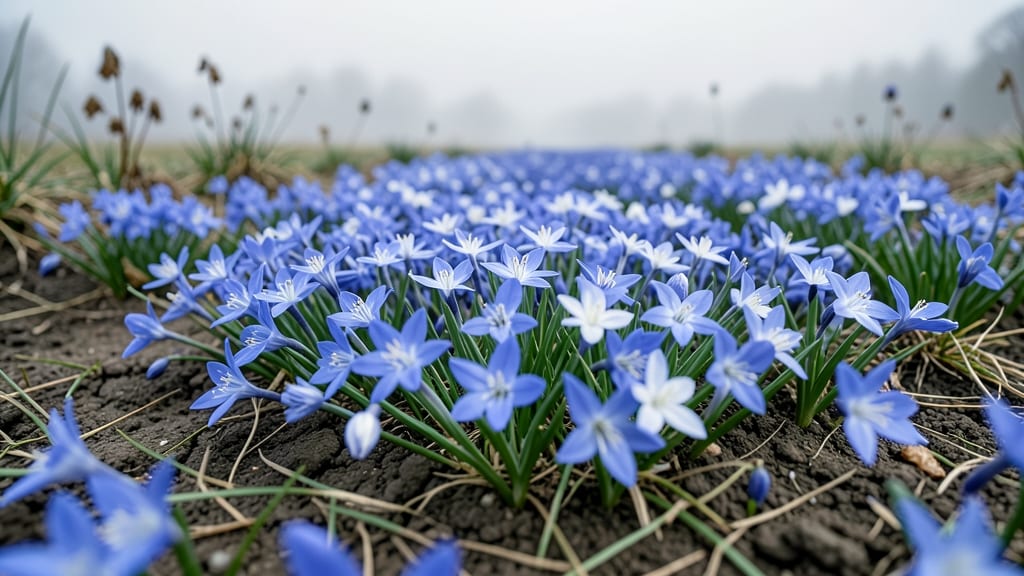
When you need a zero-effort way to fill bare spots in your garden before spring perennials wake up, Siberian squill (Scilla siberica) delivers a blue or white carpet of star-shaped blooms in late winter. Unlike fussy bulbs, this hardy ground cover thrives in poor soil, drought, and even light shade, making it the ultimate "plant and forget" option.
Plant bulbs 3–4 inches deep in fall, and you’ll get dense clusters that multiply over time, creating naturalized drifts. The 2–6 inch tall flowers appear in February–March, often before snow melts, and their delicate blooms contrast beautifully with early spring foliage. Best of all, they’re deer-resistant and rarely bothered by pests.
Perfect for urban gardens, rocky slopes, or containers, Siberian squill transforms dull winter beds into cheerful blue-and-white masterpieces with almost no upkeep. 💚