
Blooming
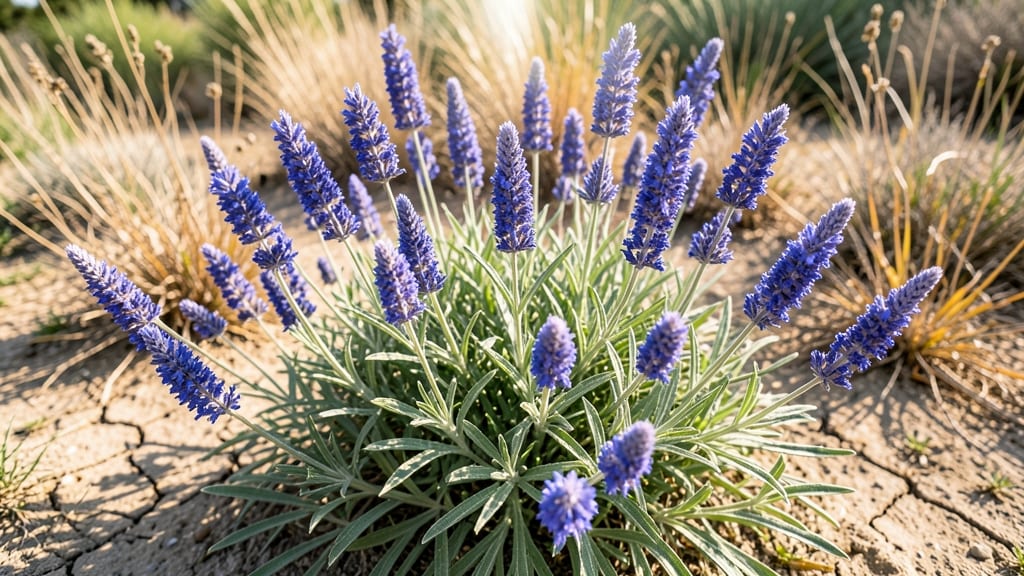
Want a vibrant blue garden that thrives all summer with minimal effort? These 10 drought-tolerant perennial flowers deliver stunning color while requiring almost no maintenance once established.
Russian Sage for Drought-Resistant Blue Beauty
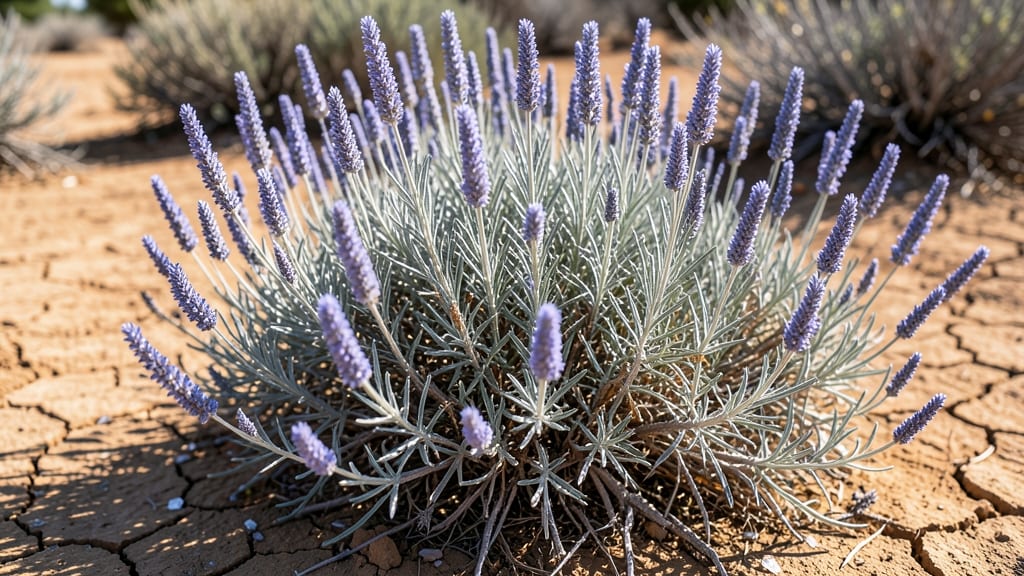
Looking for a blue perennial that thrives in scorching heat and forgets to drink water? Russian sage (Perovskia atriplicifolia) delivers lavender-blue flower spikes that bloom from early summer through fall, even when other plants wilt.
This hardy shrub-like perennial thrives in full sun and tolerates poor, rocky soil—just give it space to spread (3–5 feet wide). The silvery-green foliage adds texture, while its fragrant blooms attract bees, butterflies, and hummingbirds. Prune back in early spring to encourage bushier growth and prevent flopping.
Perfect for drought-prone gardens, urban landscapes, or pollinator-friendly borders, Russian sage is the ultimate low-maintenance blue beauty. 🌻
Perennial Cornflower for Cottage Garden Charm
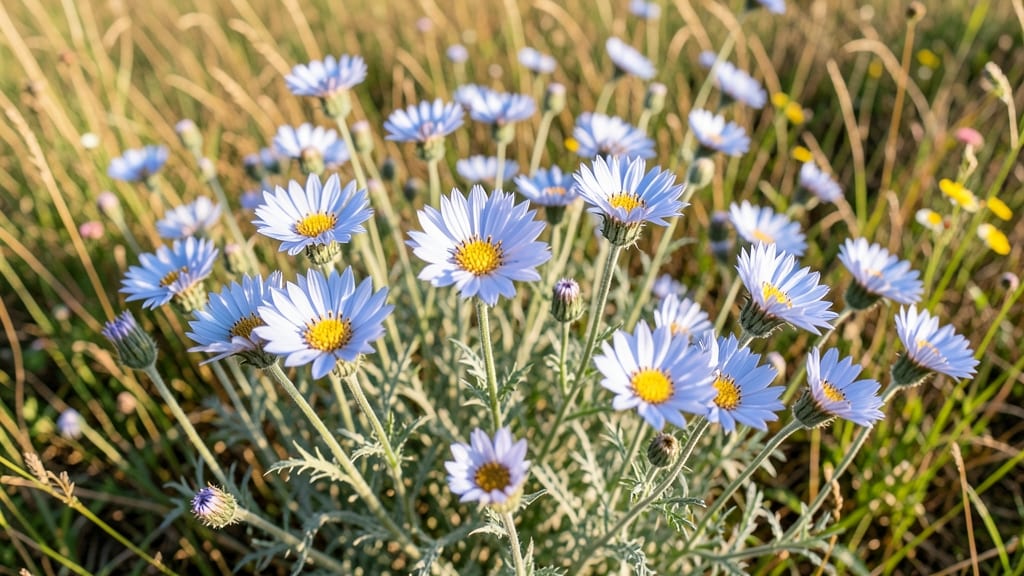
Skip the fuss of annual replanting—perennial cornflower (Centaurea cyanus) is the self-sufficient blue bloomer that keeps coming back year after year. Its delicate, sky-blue petals with golden centers create a cottage garden dream, while its self-seeding habit ensures fresh flowers without your help.
Thriving in full sun and well-drained soil, this pollinator magnet blooms from midsummer to fall, making it ideal for cutting gardens and wildflower meadows. Deadhead spent blooms to encourage more flowers, but leave some seed heads for birds and natural reseeding. It’s perfect for beginners who want effortless charm with minimal upkeep. 🌻
Catmint for Long-Blooming Blue-Purple Spikes
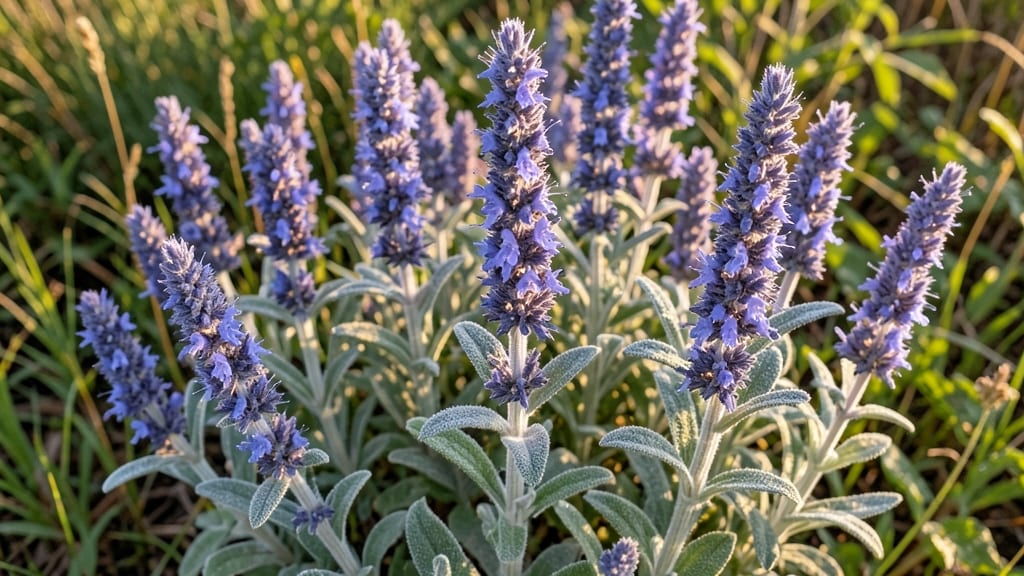
If you're tired of deer munching your garden but still crave long-lasting blue blooms, catmint is your secret weapon. This hardy perennial produces dense blue-purple flower spikes from early summer until frost, with fragrant foliage that deters wildlife while attracting pollinators.
Thriving in dry climates and poor soil, catmint requires minimal water once established and blooms prolifically in full sun. Its aromatic gray-green leaves add texture to borders, while the flowers create a striking vertical accent. Deadhead spent blooms to encourage more flowers and prevent self-seeding if you prefer controlled growth.
Perfect for pollinator gardens, cottage-style borders, or even container planting, catmint's resilience makes it ideal for low-maintenance gardeners who want year-round color with almost no effort. 🌿
Salvia Nemorosa for Heat-Tolerant Blue Blooms
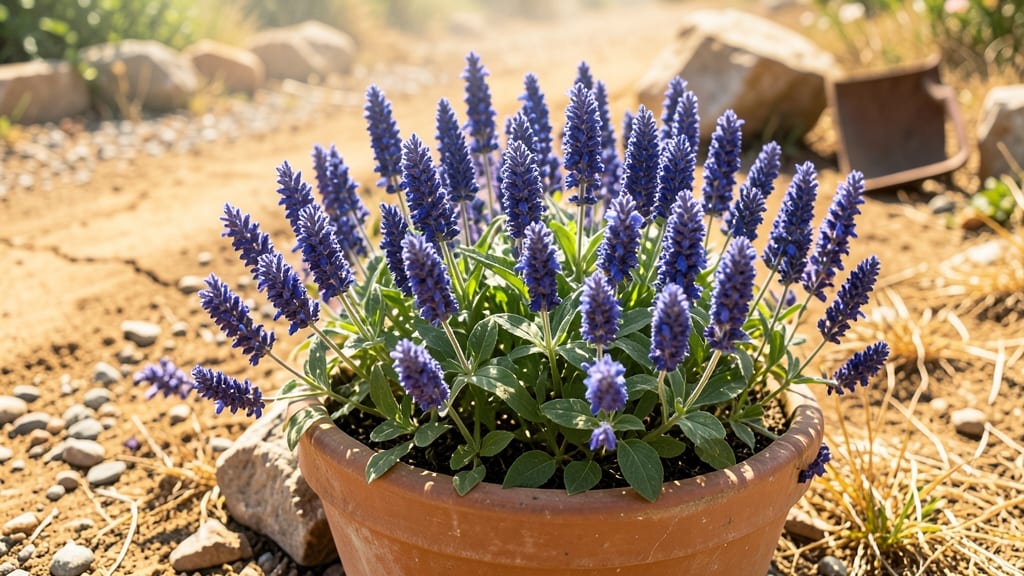
Tired of blue perennials that wilt under summer heat? Salvia nemorosa delivers lush, velvety blue blooms that not only survive but thrive in 90°F+ temperatures with almost no watering. This Mediterranean native brings effortless color to even the driest spots in your garden.
Plant it in full sun with well-draining soil (it tolerates rocky or sandy conditions) and water sparingly after establishment. The 3-4 foot tall spikes create vertical drama in borders or containers, and deadheading spent blooms encourages continuous flowering from early summer through fall. Its silvery foliage adds texture even when not in bloom.
Urban gardeners and Mediterranean-style landscape lovers will adore how salvia nemorosa transforms hot, dry areas into vibrant blue oases with minimal care. 🌻
Blue Flax for Elegant, Low-Maintenance Spires
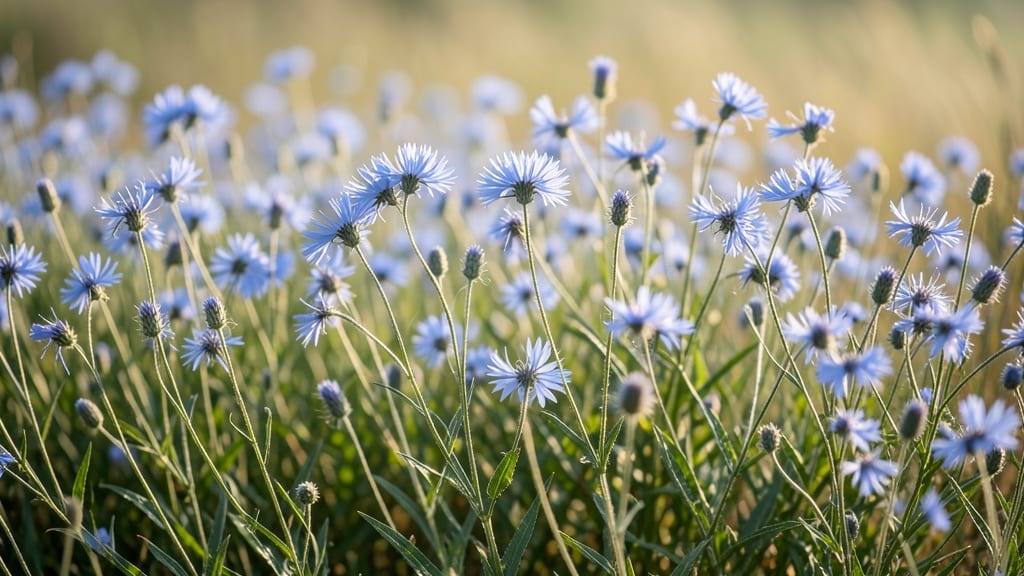
If you dream of a garden that looks effortlessly wild yet refined, blue flax (Linum perenne) is your secret weapon. This self-seeding perennial produces airy, sky-blue flower spikes that sway in the breeze, creating naturalizing drifts that spread year after year with almost no intervention.
Thriving in poor, well-drained soil, blue flax tolerates both drought and neglect once established, making it perfect for wildflower meadows, cottage gardens, or even rocky slopes. Plant in full sun for the most vibrant blooms, and watch as its delicate stems reach 2-3 feet tall, providing vertical interest without the fuss of staking. Deadhead spent blooms to encourage continuous flowering, or let the seeds scatter for spontaneous renewal.
Ideal for gardeners who love low-maintenance beauty, blue flax pairs beautifully with grasses and other wildflowers, offering a soft, romantic touch to any landscape. Its year-round appeal—even when dormant—makes it a standout choice for seasonal color. 🌻
Balloon Flower for Unique Blue-Purple Pops
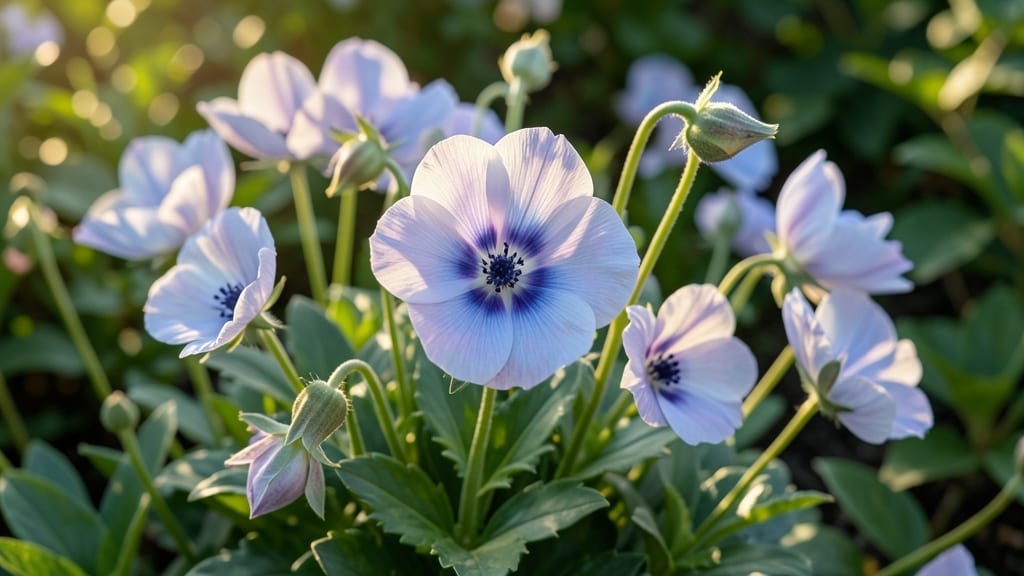
Looking for a blue perennial that adds magic to your garden with its ever-changing hues? The balloon flower (Platycodon grandiflorus) delivers a showstopping performance with blooms that shift from deep blue-purple to pale lavender as they age—like nature’s own color-changing lightbulb.
This woodland-loving plant thrives in partial shade, making it perfect for understory plantings, garden edges, or even container gardens. Its hummingbird-attracting blooms appear from mid-summer to early fall, and the fuzzy buds add textural interest before they even open. Deadhead spent blooms to encourage more flowers, and watch as this hardy perennial self-seeds for years of effortless color.
Ideal for gardeners who love unexpected surprises and want to bring woodland charm to their space, the balloon flower is a must-have for pollinator gardens and shady borders. 🌷
Blue Mistflower for Hummingbird Magnet
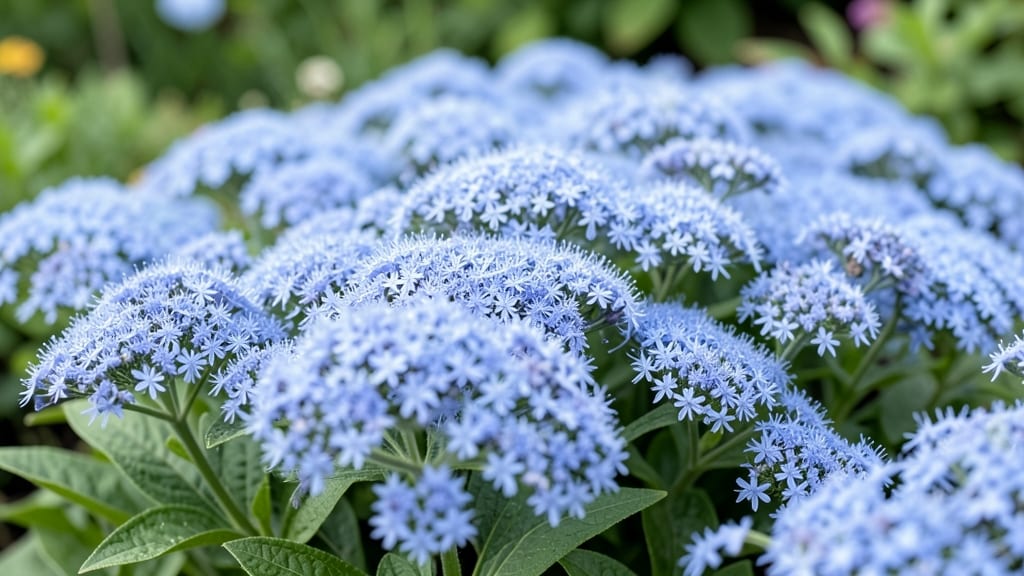
When summer starts to fade and other blooms slow down, blue mistflower (Conoclinium coelestinum) steps in as your late-season hero. This native North American beauty produces clouds of tiny, sky-blue flowers that hummingbirds can't resist, creating a magical mist-like effect in your garden.
What makes it unique is its versatility—it thrives in both wet and dry conditions, making it perfect for rain gardens or drought-prone areas. Plant it in full sun to partial shade, and it will reward you with blooms from mid-summer through fall. The delicate foliage also provides year-round interest, and it's completely deer-resistant, so you won't have to worry about hungry visitors.
This is the perfect choice for pollinator gardens, especially if you want to extend the feeding season for hummingbirds and butterflies. Gardeners in wet climates will love how it handles soggy soil, while those in dry areas can count on its drought tolerance. 🌻
Lavender for Fragrant Blue-Purple Calm
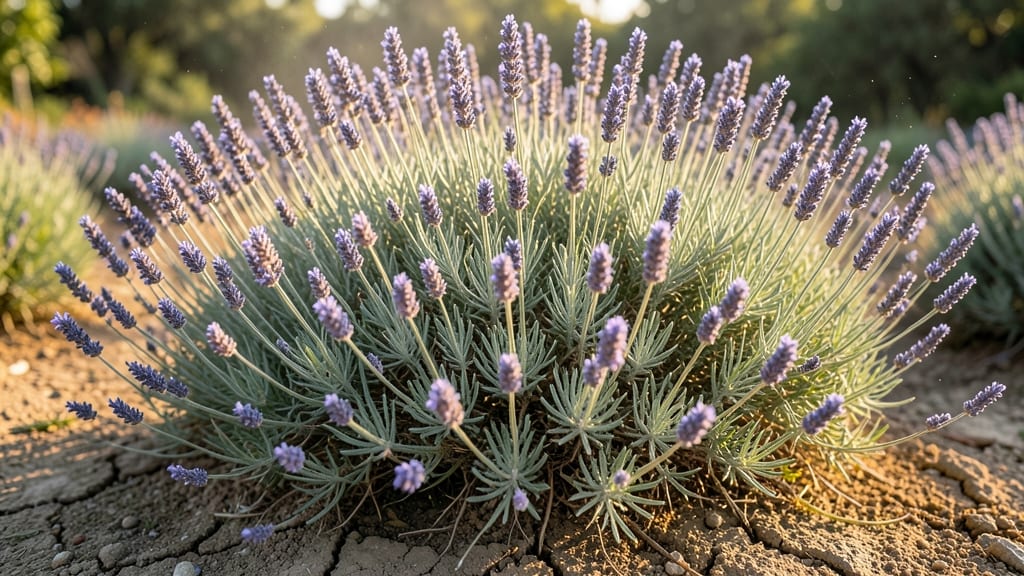
Need a plant that does double duty as a fragrant accent and natural pest control? Lavender delivers blue-purple blooms while keeping mosquitoes and aphids at bay—all while thriving in soil most plants would reject.
This drought-tolerant perennial flourishes in poor, dry soil with just 6 hours of sun daily, making it ideal for rocky slopes, containers, or borders. Prune spent blooms to encourage bushier growth, and harvest stems for sachets or culinary uses. The aromatic foliage deters deer and rabbits, too.
Perfect for urban gardeners with limited space or those craving a low-maintenance yet fragrant addition, lavender brings both beauty and function to any blue-hued garden. 💚
Blue Phlox for Shade-Tolerant Blue Blooms
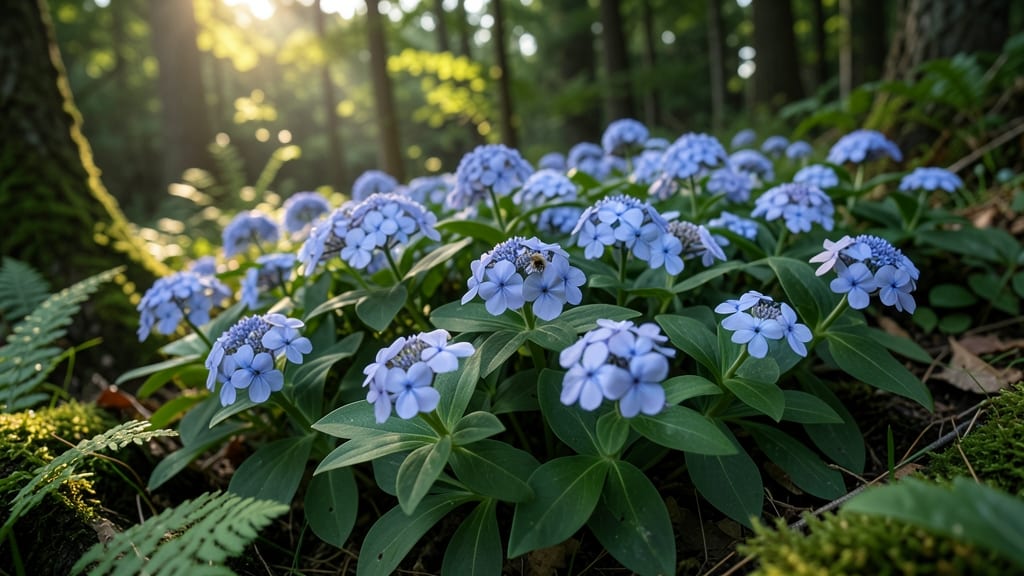
If your garden has shady spots that other blue perennials avoid, blue phlox is your secret weapon. This woodland native thrives in partial shade to full shade, producing dense clusters of sky-blue blooms from late spring through summer—perfect for filling understory gaps where sunlight struggles.
Plant blue phlox in moist, well-draining soil under trees or along north-facing foundations, where it pairs beautifully with hostas and ferns. Deadhead spent blooms to encourage continuous flowering, and watch as butterflies and bees flock to its nectar-rich flowers. Unlike sun-loving perennials, it handles cooler climates with ease, making it ideal for USDA zones 4-8.
Gardeners with shaded borders or woodland gardens will love how blue phlox brightens dark corners while requiring minimal care. Its airy foliage and long bloom season make it a standout for pollinator-friendly underplantings. 🌿
Agastache for Pollinator-Friendly Blue Spikes

Looking for a pollinator powerhouse that delivers bold blue blooms while requiring almost no water? Agastache (or hyssop) is your secret weapon—its aromatic foliage and vibrant spikes attract hummingbirds and butterflies while thriving in dry conditions and even partial shade.
This drought-resistant perennial blooms from early summer through fall, producing striking blue, purple, or lavender flowers with contrasting yellow centers. Plant it in full sun to partial shade and watch it self-seed naturally for years of effortless color. The fragrant leaves also deter pests, making it a multi-purpose garden star. Cut the stems for long-lasting bouquets, too!
Perfect for beginners, urban gardeners, and pollinator advocates, Agastache brings both beauty and function to any blue-themed garden. 🌟