
Blooming
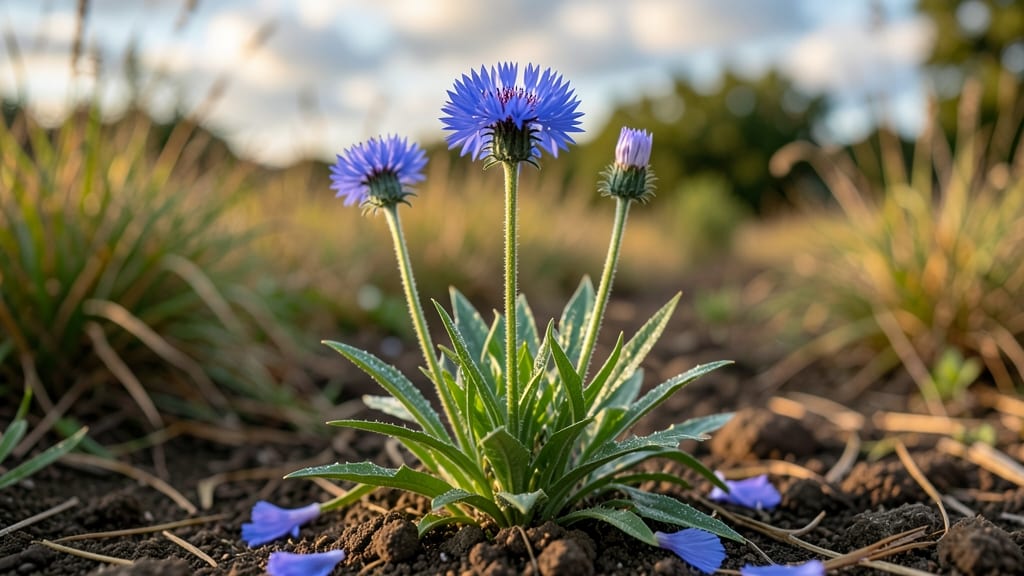
Bachelor buttons bloom time varies dramatically depending on your climate zone, but with the right care, you can enjoy their cheerful 🌸 clusters from early summer through fall.
Picture this: You’ve waited months for those first pink or purple blooms, only to find they’re late—or worse, never arrive. The truth is, these hardy perennials thrive in USDA Zone 6 and beyond, but timing is everything.
In cooler zones, expect blooms as early as June, while warmer climates may see them burst into color by May. The key? Sunlight, soil, and a little deadheading magic to keep them flowering all season.
Below, I’ll break down the exact bloom windows by zone, plus proven tricks to extend those vibrant blooms for weeks longer than you’d expect.
Bachelor buttons bloom time by USDA climate zones: exact months
Timing your bachelor buttons bloom is easier than you think—once you know your USDA climate zone. These cheerful flowers thrive in zones 3 through 10, but their exact bloom windows shift dramatically depending on whether you live in cold northern climates or warm southern regions.
Understanding these patterns helps you plan for peak color and even extend the season with simple tricks.
In cooler zones (3-5), bachelor buttons often wait for warmer spring temperatures before bursting into bloom, while warmer zones (8-10) may see multiple blooming cycles throughout the year.
Daylight hours also play a role—longer summer days in northern latitudes trigger extended flowering, while southern climates may experience staggered blooms tied to rainfall patterns.
| USDA Zone | Primary Bloom Window | Secondary Bloom (if applicable) | Key Trigger |
|---|---|---|---|
| 3-4 | Late May - Mid July | September (light frost zones) | Soil temps >50°F |
| 5-6 | Early June - August | Late August - September | 14+ daylight hours |
| 7-8 | April - June + September | November (mild winters) | Rainfall spikes |
| 9-10 | February - April + August - October | Year-round with care | Consistent moisture |
If you're in USDA zones 3-4, your bachelor buttons likely wait until late May or June to bloom, as they need consistent soil temperatures above 50°F.
In these cooler regions, the plants often produce a single summer bloom cycle but may reward you with a light fall rebloom if you deadhead spent flowers. I've seen stunning displays in zone 4 gardens where the second bloom appears in September after heavy rains.
Gardeners in zones 5-6 enjoy the longest bloom windows, typically from early June through August, with many varieties producing a second flush in late summer. The key trigger here is daylight hours—once your area receives 14+ hours of daylight, these plants respond by producing buds rapidly.
In my zone 6 garden, I've extended blooms into September by providing well-draining soil and regular deadheading.
Warmer climates in zones 7-8 offer gardeners the unique opportunity to see two distinct bloom seasons: one in spring (April-June) and another in fall (September-October). Some varieties even produce scattered blooms throughout winter months in zone 8 if protected from frost.
The humidity levels in these zones also influence bloom timing—drier summers often delay flowering until after the first rains.
For those in zones 9-10, bachelor buttons can bloom almost year-round with proper care. Expect primary blooms from February through April, followed by a summer lull, then another peak in August through October.
In Southern California gardens, I've observed November blooms when plants receive consistent moisture and partial afternoon shade during heatwaves.
The daylength sensitivity of bachelor buttons means they often bloom earlier in southern zones because they experience longer daylight hours earlier in the year. This is why you might see February blooms in Florida while zone 6 gardens wait until June.
The temperature thresholds for bud formation are typically 55-60°F, but humidity levels also play a role—too much moisture can delay blooming in tropical zones.
To predict your exact bloom window, note your last frost date and add 4-6 weeks for zones 3-6. In warmer zones, subtract 2-3 weeks from your first frost date to estimate the fall bloom period.
I always mark these dates on my garden calendar to plan companion plantings that will complement the bachelor buttons' color phases.
Remember that soil conditions can shift bloom times by 2-4 weeks. Well-draining, alkaline soil (pH 6
How to extend bachelor buttons bloom season with simple tricks
Bachelor buttons (Centranthus ruber) are known for their long-lasting blooms, but with a few strategic tricks, you can turn their single-season show into a year-round spectacle.
These hardy perennials naturally bloom from late spring to early fall, but most gardeners miss out on their full potential. The secret lies in encouraging reblooming through simple, science-backed techniques.
First, focus on deadheading—the act of removing spent flowers. This isn’t just about looks; it’s a critical signal to your plants to produce more blooms. When you snip off faded flowers, you’re telling the plant to redirect its energy into new buds instead of seed production.
For bachelor buttons, this means cutting back stems just above a set of leaves or new growth. Do this every 2-3 weeks during their active growing season, and you’ll see a second flush of flowers in as little as 4-6 weeks.
🌸 5 Proven Tricks to Extend Bachelor Buttons Bloom Time
- 1. Deadhead religiously: Snip spent blooms weekly to trigger reblooming. Use clean pruners or pinch by hand.
- 2. Adjust soil pH: Test your soil—aim for 6.0-7.0. Add lime to raise pH or sulfur to lower it.
- 3. Water deeply: Soak roots 1-2 times weekly in dry spells. Avoid wetting foliage to prevent disease.
- 4. Prune for shape: Cut back 1/3 of growth after first bloom wave to encourage bushier, longer-lasting blooms.
- 5. Plant companions: Pair with thyme or lavender to deter pests and improve soil health naturally.
Soil pH plays a surprisingly big role in bloom longevity. Bachelor buttons thrive in slightly acidic to neutral soil (pH 6.0-7.0). If your soil is too alkaline, the plant will struggle to absorb nutrients, leading to fewer blooms.
Test your soil with a home kit or send a sample to your local extension office.
To adjust pH, add elemental sulfur for alkaline soil or pelletized lime for acidic soil. Amend the soil in early spring before the plant’s main growth spurt to give it a nutrient boost for the season.
Watering might seem straightforward, but bachelor buttons are drought-tolerant once established—and that means overwatering is a common mistake. These plants prefer well-draining soil and will thrive on neglect if given the right conditions. Water deeply but infrequently, aiming for 1-2 inches of water per week during dry spells.
In containers, check the soil moisture daily in hot weather—let the top inch dry out between waterings. Morning watering is best to reduce evaporation and prevent fungal diseases that can shorten bloom time.
Don’t underestimate the power of companion planting to extend your bachelor buttons’ bloom season. Pair them with drought-resistant herbs like thyme, oregano, or lavender. These plants repel pests like aphids and spider mites, which can stress your bachelor buttons and cut blooms short.
Additionally, interplanting with marigolds deters nematodes in the soil, ensuring your bachelor buttons stay healthy and robust. For a low-maintenance cottage garden, try grouping bachelor buttons with catmint or yarrow—both attract pollinators and encourage continuous blooming.
Finally, give your bachelor buttons a mid-season haircut to reboot their growth. After the first major bloom wave, prune back 1/3 of the plant’s height using clean, sharp pruners. This stimulates new growth from the base, leading to a second wave of flowers in late summer.
Time this pruning for early July in most climates, and you’ll often see new blooms by August. Just avoid pruning in fall or winter, as the plant needs its foliage to protect roots from cold.
With these simple but effective tricks, your bachelor buttons can bloom nearly year-round in mild climates or produce two major flushes in cooler zones. The key is consistency: deadhead, adjust soil, water wisely, and prune at the right time.
Your garden will thank you with months of vibrant color—and so will your neighbors, who’ll wonder how you keep your bachelor buttons looking so fresh and full! 🌸