
Blooming
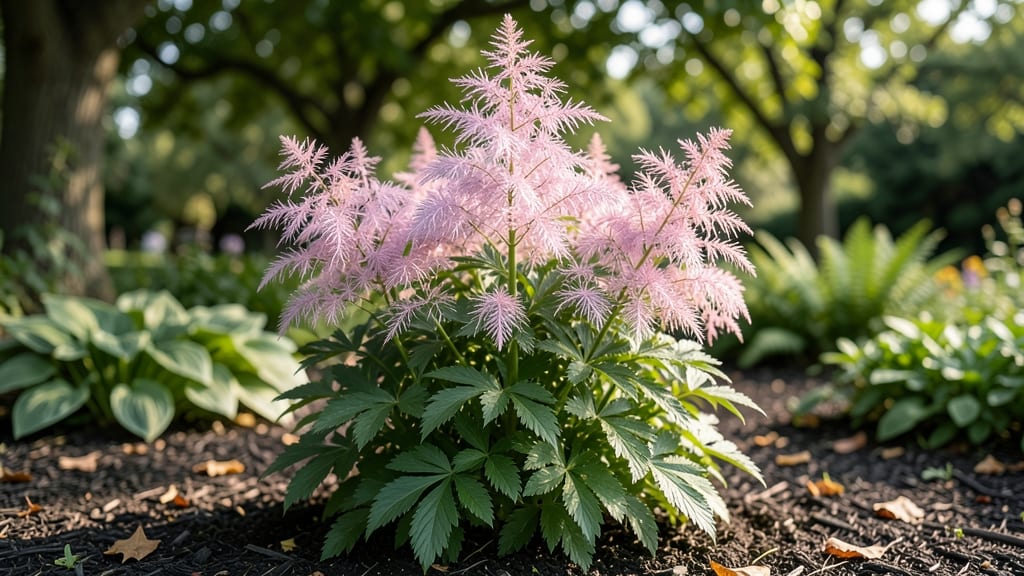
The astilbe bloom season transforms your garden into a soft, feathery cloud of color from June through August — but timing your planting right is the secret to those showstopping plumes.
If you’ve ever admired the feathery plumes of astilbe and wondered how to time your planting for the most stunning summer blooms, you’re in the right place — timing is everything for this showstopper perennial.
In USDA Zone 6a, where I garden, planting astilbe in March or April ensures you’ll catch the peak bloom window just as summer kicks in. But cooler zones can push back that window by weeks, while warmer climates might see blooms as early as May.
Here’s how to align your planting schedule with your zone, plus the care tricks that keep those blooms lush and long-lasting — from soil prep to deadheading for extra weeks of color.
Astilbe bloom season by USDA plant hardiness Zones: when to plant for maximum color
Timing your astilbe planting is the secret to unlocking those dreamy, feathery plumes that grace gardens from June through August. Since astilbes are frost-sensitive yet thrive in cooler climates, their planting windows vary dramatically across USDA Zones 3-9.
Whether you're in the chilly Rocky Mountains or the humid Southeast, knowing your zone's last frost date is key to avoiding winter damage while maximizing summer color.
In my Zone 5 garden, I’ve learned that planting too early risks frost damage, while waiting too late can delay blooms until late July—just when other perennials are fading. The solution? A balanced approach that accounts for both soil temperature and regional frost patterns.
Let’s break down the ideal planting windows for each zone to ensure your astilbes burst into bloom at their peak.
🌸 Pro Tip: Astilbes love moist, well-draining soil with partial shade. Amend heavy clay with compost before planting to prevent root rot, a common issue in Zone 7’s humid summers.
| USDA Zone | Planting Window | Bloom Period | Frost Risk | Regional Tip |
|---|---|---|---|---|
| 3-4 | Mid-May to early June | Late June to early August | High (late frosts) | Use row covers if planting early. |
| 5-6 | Early to mid-May | June to mid-August | Moderate (occasional late frosts) | Plant after last frost date (typically mid-April). |
| 7-8 | March to early April | May to September | Low (mild winters) | Early planting extends bloom season; mulch heavily in winter. |
| 9 | February to March | April to October | None (frost-free) | Plant bare-root in winter for spring blooms. |
For gardeners in Zones 3-4, the mid-May to early June planting window is critical. These zones experience late spring frosts that can devastate young astilbe shoots. I’ve seen firsthand how a 50°F night in May can turn vibrant new growth into a sad, mushy mess.
To mitigate this, I recommend starting seeds indoors in Zone 4 and transplanting after the 10th of May, when frost risk drops below 20%.
In Zones 5-6, where I garden, the early to mid-May window offers a sweet spot. By then, soil temperatures have warmed to 55°F, encouraging root establishment before the heat of summer. A light mulch of straw helps retain moisture, which is essential for astilbe’s feathery plumes.
Pro tip: If you’re in a high-elevation area (like Denver), wait until after Memorial Day—late frosts are common there.
Gardeners in Zones 7-8 have the luxury of planting as early as March. This early start translates to longer bloom seasons, often stretching from May to September. However, the trade-off is summer heat stress.
To combat this, I’ve found that drip irrigation and afternoon shade cloth keep my astilbes thriving. In Zone 8’s humid climate, I also avoid overcrowding plants to improve airflow and reduce fungal diseases.
If you live in Zone 9, you’re in the astilbe paradise—planting as early as February can yield blooms by April! The key here is to water deeply but infrequently to prevent root rot in the warm, wet winters.
I’ve had success with bare-root astilbes planted in December, which burst into bloom by March. Just be sure to protect them from winter rains with a lightweight fabric cover.
Regardless of your zone, soil preparation is non-negotiable. Astilbes crave rich, organic matter—amend your soil with compost or peat moss to improve drainage. In clay-heavy soils (common in Zone 7), I mix in perlite or sand to prevent waterlogging.
A pH of 6.0-6.5 is ideal, so test your soil before planting. If it’s too alkaline, add sulfur or pine needles to lower the pH.
Finally, don’t forget that
How to extend your astilbe bloom season: pruning, fertilizing, and care tips
Astilbe’s feathery plumes are a garden’s crowning glory, but their bloom season can feel disappointingly short—unless you know the secrets to prolonging them. With the right pruning techniques, nutrient-rich soil, and consistent care, you can stretch those vibrant blooms from early summer well into fall.
The key lies in understanding when and how to intervene, so your astilbe stays lush and productive for weeks longer than average.
I’ve found that deadheading and seasonal pruning are the two most impactful strategies for extending bloom time. Pair these with a balanced fertilizer schedule and optimal watering practices, and you’ll transform your astilbe from a fleeting summer highlight into a long-lasting garden star.
Let’s dive into the step-by-step care routine that keeps your astilbe thriving.
- 🌿 Deadhead spent blooms every 2-3 weeks to redirect energy to new growth. Use clean pruners to snip 1 inch below faded plumes.
- 💧 Water deeply morning-only to prevent fungal issues. Aim for 1-2 inches of moisture weekly during peak bloom.
- 🌱 Apply balanced 10-10-10 fertilizer every 4-6 weeks in spring/summer. Avoid fall fertilization to prevent tender new growth.
- ✂️ Prune 1/3 of foliage in early spring to encourage bushier, more vibrant regrowth. Remove only yellowed or dead leaves.
- 🌳 Mulch with 2-3 inches of organic matter (like shredded bark) to retain moisture and suppress weeds, which compete for nutrients.
One common mistake gardeners make is over-pruning astilbe in late summer, which can stunt next year’s blooms. Instead, focus on light pruning after the first frost to clean up the plant while preserving its energy reserves.
I’ve seen astilbe plants in my own garden bloom for up to 8 weeks when cared for this way—far longer than the typical 4-6 week window.
For soil health, astilbe thrives in moist, well-draining soil with a slightly acidic to neutral pH (6.0-7.0). Amend heavy clay soil with compost or peat moss to improve drainage, and avoid sandy soils that dry out too quickly.
A simple soil test can reveal if your garden needs adjustments—my astilbe’s blooms exploded in color after I added organic compost in early spring.
Don’t overlook the power of seasonal adjustments. In Zone 5-7, where many gardeners grow astilbe, a light winter mulch (like straw) protects roots from freezing temperatures while still allowing moisture to penetrate.
This small step can mean the difference between weak spring regrowth and vigorous summer blooms. Pair this with early spring fertilization, and you’re setting your astilbe up for a spectacular show.
With these techniques, your astilbe will reward you with prolonged, vibrant blooms that keep your garden looking fresh well into autumn. The secret isn’t just one trick—it’s a consistent care routine that respects the plant’s natural rhythms while giving it the support it needs to shine. Happy gardening! 🌸