
Flowers
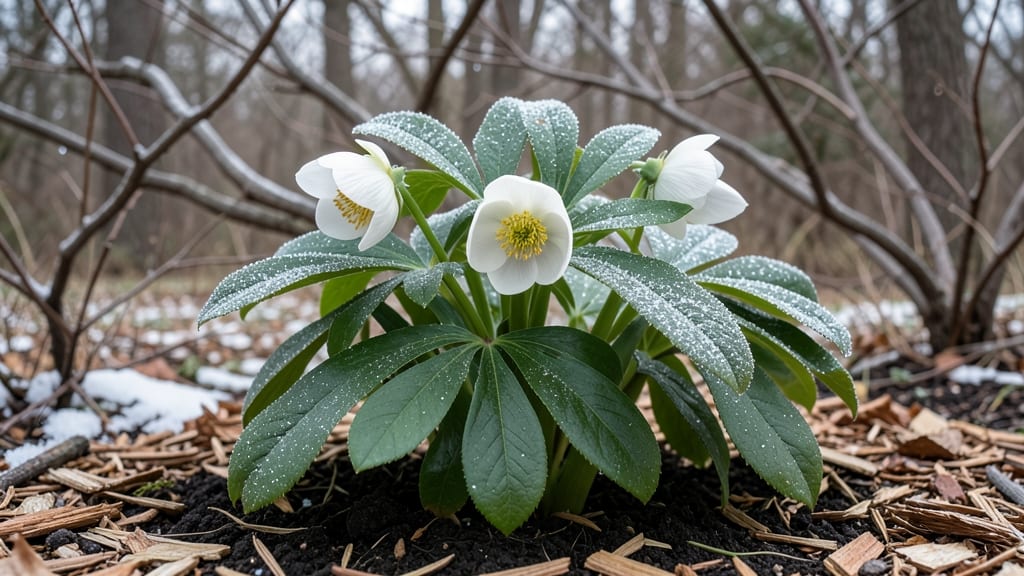
Are there flowers that bloom in winter? Yes—winter flowers that defy the cold bring vibrant color to the chilliest months, proving that a dormant garden isn’t inevitable.
Picture this: a crisp December morning, frost clinging to the grass, and yet your garden bursts with delicate blooms like snowdrops or winter jasmine 🌸. These hardy plants don’t just survive—they thrive, offering a splash of life when most gardens lie dormant.
From USDA Zone 3 to Zone 9, there are cold-resistant flowers that defy frost, from hellebores to pansies. Whether you’re in a snowy climate or a mild winter region, the right plants can turn your yard into a year-round showstopper.
Below, I’ll share the top cold-hardy bloomers, how to care for them through winter, and design tips to make your garden shine even in the coldest months.
Top 10 cold-hardy flowers that bloom in winter (with growing zones)
Winter gardens can be stunning with the right cold-hardy flowers that defy frost and bring color to chilly days. While many plants sleep through winter, these winter-blooming varieties thrive in temperatures as low as 10°F (-12°C), making them perfect for USDA zones 3-9.
From delicate snowdrops to bold winter jasmine, these flowers prove that winter gardens can be just as vibrant as spring or summer landscapes.
Selecting flowers for winter blooms requires understanding their hardiness zones and care requirements. Some, like hellebores, tolerate shade and moist soil, while others, such as winter aconite, prefer sunny spots.
Below, I’ve curated a list of the top 10 cold-hardy flowers that will keep your garden lively even in the coldest months, along with their ideal growing zones and care tips.
Why choose winter-blooming flowers? They provide early pollinators like bees and butterflies with food, add structure to dormant gardens, and create a year-round interest. Plus, their unique textures and colors—from deep purples to cheerful yellows—offer a refreshing contrast to snow-covered landscapes. Whether you’re in Zone 3 or Zone 9, these flowers will bring life to your winter garden with minimal fuss.
| Flower Name | USDA Zones | Bloom Time | Sunlight Needs | Care Tips |
|---|---|---|---|---|
| Hellebores (Lenten Rose) | 3-9 | Late winter to early spring | Partial shade to full shade | Water moderately; mulch for insulation |
| Winter Jasmine (Jasminum nudiflorum) | 6-9 | Late winter to early spring | Full sun | Prune after flowering; drought-tolerant |
| Snowdrops (Galanthus) | 3-8 | Winter to early spring | Partial shade | Plant bulbs in fall; minimal watering |
| Winter Aconite (Eranthis hyemalis) | 4-8 | Late winter | Full sun to partial shade | Well-draining soil; mulch lightly |
| Crocuses (Crocus) | 3-8 | Winter to early spring | Full sun | Plant bulbs in fall; no summer water |
| Pansies (Viola) | 5-10 | Fall to early spring | Full sun to partial shade | Deadhead spent blooms; water occasionally |
| Camellias (Camellia) | 7-9 | Winter to early spring | Partial shade | Acidic soil; protect from wind |
| Daffodils (Narcissus) | 3-10 | Late winter to spring | Full sun | Plant bulbs in fall; no summer water |
| Christmas Rose (Helleborus niger) | 4-8 | Winter to early spring | Partial shade | Water sparingly; mulch for frost protection |
| Winter Honeysuckle (Lonicera fragrantissima) | 4-8 | Late winter to early spring | Full sun to partial shade | Prune in early spring; drought-tolerant |
Each of these winter-blooming flowers offers something special, whether it’s the fragrant blooms of winter jasmine or the delicate charm of snowdrops. For example, hellebores thrive in shady spots and can bloom as early as January, while winter aconite brightens gardens with its buttery-yellow flowers in late winter.
If you’re in Zone 9, consider camellias for their lush, evergreen foliage and stunning winter blooms.
To ensure success, focus on soil preparation and proper placement. Most winter flowers prefer well-draining soil and moderate moisture, but avoid overwatering, which can lead to rot. For shade-loving varieties like hellebores, mulch heavily to insulate roots from freezing temperatures.
In sunnier zones, like Zone 7 or higher, prioritize drought-tolerant plants such as winter jasmine or pansies.
One of my favorite winter bloomers is winter jasmine because it’s low-maintenance and produces bright yellow flowers that stand out against bare branches. I’ve seen it thrive in Zone 6 gardens with minimal care—just a light pruning after blooming and occasional watering.
For colder climates (Zones 3-4), snowdrops and crocuses are excellent choices, as they naturalize easily and return year after year.
If you’re new to winter gardening, start with 3-5 varieties to test what works best in your microclimate
How to extend winter blooms: soil, sunlight, and protection tips
Winter-blooming flowers like hellebores and winter jasmine need extra care to thrive in cold climates. The key to extending their blooms lies in three critical areas: soil preparation, sunlight management, and protective measures.
With the right approach, you can transform your garden into a vibrant winter display that lasts through the season.
First, focus on soil amendments to improve drainage and insulation. Cold soil can stunt root growth, so mix in compost or well-rotted manure before planting. This adds organic matter that retains moisture while allowing excess water to drain, preventing root rot in freezing temperatures.
For sunlight exposure, prioritize locations with at least 6 hours of sunlight daily. South-facing spots are ideal, as they capture the weak winter sun. If your garden lacks full sun, consider reflective surfaces like light-colored walls or mirrors to bounce extra light onto plants like pansies or snowdrops.
🌱 Pro Tip: Use mulch to shield roots from freezing temps. Apply a 3-4 inch layer of straw or shredded leaves around the base of plants. This acts as insulation, keeping soil temps stable and protecting delicate roots from frost heave.
❄️ Are There Flowers That Bloom in Winter?
Yes! Hellebores, winter jasmine, and camellias are proven winter bloomers. Choose varieties suited to your USDA zone (e.g., zone 5-9 for hellebores). For best results, pair cold-hardy flowers with windbreaks like fences or shrubs to reduce stress from harsh winds.
Don’t overlook wind protection, which can make or break winter blooms. Strong winds dry out plants and damage delicate stems. Install windbreaks using bamboo fencing or plant evergreen shrubs like boxwood as natural barriers. Even a simple row of stakes can reduce wind exposure by up to 50%.
Finally, water sparingly but consistently. Winter soil stays damp longer, so reduce watering to once every 2-3 weeks unless you’re in a drought-prone area. Always water in the morning to allow foliage to dry before evening frost, preventing fungal diseases like powdery mildew.
With these strategies—amended soil, optimal sunlight, and protective barriers—your winter blooms will thrive even in the coldest months. Start small with one or two cold-hardy varieties and expand as you gain confidence in your winter gardening skills! 🌷