
Blooming
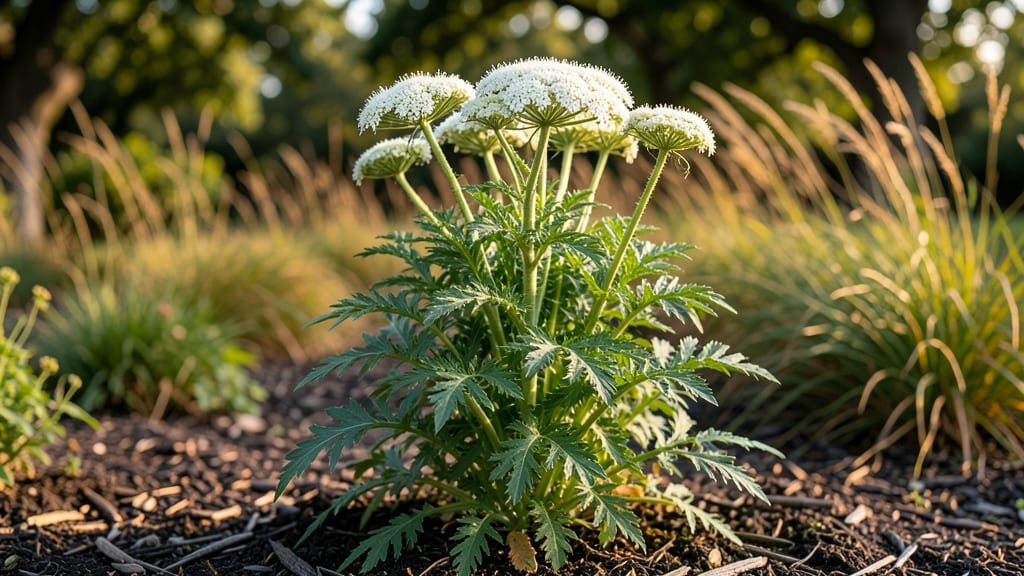
Yarrow blooms from June through September, turning your garden into a pollinator paradise with its flat-topped clusters 🌼—but getting the most out of its flowering season starts with the right planting timing.
If you’re dreaming of vibrant summer blooms that attract pollinators and add texture to your garden, yarrow (Achillea millefolium) is a must-have—but timing its planting and bloom cycle is key to unlocking its full potential.
This hardy perennial thrives in full sun and USDA Zone 6a, where it naturally blooms from early summer to fall, though early or late frosts can cut the season short.
The secret to extending those cheerful blooms? Planting in March or April, deadheading spent flowers, and choosing the right varieties.
Below, I’ll break down how to time your yarrow for the longest bloom periods, which cultivars stay colorful the longest, and simple care tips to keep your plants flowering well into September.
Understanding yarrow bloom time: seasonal growth and flowering stages
Yarrow (Achillea millefolium) transforms gardens with its flat-topped clusters and feathery foliage, but its bloom timing depends on climate, variety, and care. Most varieties burst into color from June through September, though early or late bloomers can extend this window.
Understanding these stages helps you plan for continuous summer interest and maximize pollinator visits.
Yarrow’s growth cycle begins in early spring with fern-like basal leaves that form a dense rosette. These leaves signal the plant’s readiness to bolt and flower once temperatures rise. In USDA Zones 3–9, yarrow typically flowers 60–90 days after planting, aligning with warmer months when daylight lengthens.
Climate zones shift bloom timing dramatically. In cooler northern regions (Zones 3–5), yarrow may start blooming in late June and continue until early frost. Meanwhile, in warmer southern zones (Zones 8–9), you’ll see blooms as early as May, sometimes stretching into October with proper care.
| Growth Stage | Timeframe (USDA Zones 3–9) | Key Visual Cues | Care Tips |
|---|---|---|---|
| Early Spring (March–April) | Rosette formation | Fern-like basal leaves, no flowers | Water lightly, avoid fertilizer |
| Pre-Bloom (May) | Stem elongation | Tall stems (1–2 ft), buds forming | Ensure full sun, reduce watering |
| Peak Bloom (June–August) | Flowering | Flat clusters, vibrant colors | Deadhead spent blooms, water weekly |
| Late Season (September–October) | Seed set | Brown seed heads, fading foliage | Cut back stems, mulch for winter |
Identifying pre-bloom signs helps you anticipate yarrow’s flowering schedule. Look for tall, upright stems (1–2 feet) with tight buds forming at the tips. These stems emerge from the fern-like rosette and signal the plant’s shift from vegetative to reproductive growth.
In early June, these buds will swell and open into flat-topped clusters.
Yarrow’s bloom duration varies by variety. Early bloomers like ‘Moonshine’ may flower as soon as May in warm climates, while late-season types like ‘Terracotta’ can extend blooms into October. To prolong flowering, deadhead spent blooms regularly—this encourages the plant to produce new flower stalks throughout the season.
In drought-prone areas, yarrow’s bloom time may shorten slightly due to stress, but the plant remains drought-tolerant once established. Water deeply once a week during dry spells to support stem strength and flower production. Avoid overwatering, as soggy soil can lead to root rot and reduced blooming.
For northern gardeners, yarrow’s late-season blooms provide autumn color when many perennials fade. In Zone 5, expect blooms from July through September, while Zone 7 gardeners can enjoy flowers from June to October. Choose hardy varieties like ‘The Bee’ or ‘Summer Pastels’ for extended seasonal interest.
Yarrow’s foliage also plays a role in its growth cycle. The fern-like leaves store energy for flowering, so avoid heavy pruning in early spring. Instead, trim back dead stems in late winter or early spring to encourage vigorous new growth and a longer bloom season.
To maximize yarrow’s bloom potential, pair it with complementary perennials like lavender or catmint. These plants share similar sun and soil preferences while creating a pollinator-friendly ecosystem. With the right timing and care, your yarrow will reward you with months of vibrant color and low-maintenance beauty.
How to time yarrow planting for longest bloom periods
Timing your yarrow (Achillea millefolium) planting correctly is the secret to longer bloom periods and more vibrant summer color. Since yarrow naturally flowers from June through September, strategic planting—whether from seeds or seedlings—can extend its display by 4-6 weeks or more.
The key lies in understanding your local frost dates and soil conditions, which directly impact when your plants will establish roots and begin flowering.
For most gardeners in USDA Zones 3-9, the ideal planting window is 4-6 weeks before your last frost date in spring or 6-8 weeks before your first frost in fall. This timing ensures yarrow has enough time to root before heat or cold stress arrives.
In warmer climates (Zones 9-10), you can even plant yarrow year-round, though summer heat may require extra shade to prevent bolt stress.
- 1. Spring Planting: Sow seeds or transplant seedlings 4-6 weeks before last frost (typically March-April in most regions).
- 2. Fall Planting: Plant seeds or seedlings 6-8 weeks before first frost (usually August-September) for early spring blooms.
- 3. Soil Prep: Amend soil with compost or aged manure to ensure well-draining, slightly alkaline conditions (pH 6.0-7.0).
- 4. Sunlight Needs: Place yarrow in full sun (6+ hours daily)—this triggers longer bloom periods and prevents leggy growth.
- 5. Deadheading: Remove spent blooms weekly to encourage continuous reblooming through late summer.
If you’re starting from seeds, direct sowing in early spring (as soon as soil is workable) gives yarrow a head start. Seeds germinate best in 50-70°F soil, so avoid planting when nighttime temperatures dip below 40°F.
For faster results, opt for transplanting seedlings in early spring—they’ll bloom 2-3 weeks earlier than seed-grown plants.
Once your yarrow is established, its drought tolerance kicks in, but consistent morning watering during its first growing season helps roots develop deeply. After that, yarrow thrives with minimal water—just 1 inch per week during dry spells.
This hardiness makes it perfect for xeriscaping or low-maintenance borders where you want long-lasting color.
To push your yarrow’s bloom time even further, try succession planting: Sow a new batch of seeds every 2-3 weeks in spring for a staggered display.
Combine this with regular deadheading (snipping spent blooms at the first flower head), and you’ll enjoy continuous blooms from June through October—or even into November in mild climates.
Pro tip: Pair yarrow with companion plants like lavender or catmint to attract even more pollinators and extend the visual appeal of your garden. With the right timing and care, your yarrow will reward you with bold, long-lasting blooms that turn heads all season long. 🌼