
Blooming
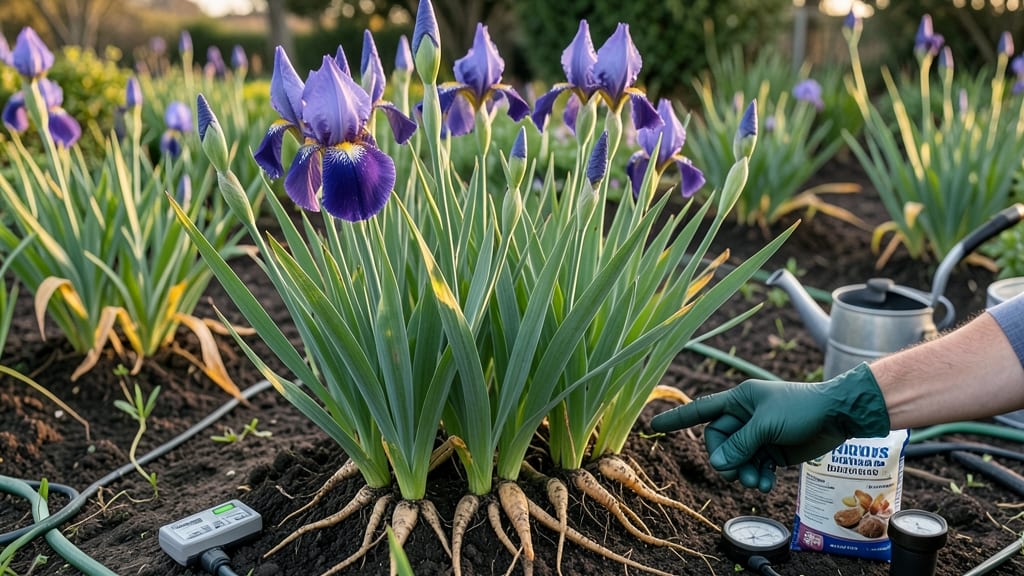
Why didn’t my iris bloom this year?—and I’ve seen this exact problem more than I’d like to admit. 🌸 The culprit is rarely what gardeners first suspect, which is why so many of us end up with lush foliage but no flowers. After years of trial and error (and a few frustrating seasons of bare stems), I’ve pinpointed the three most common mistakes that rob irises of their showstopping blooms.
The biggest offenders? Overcrowding, improper sunlight, or feeding them at the wrong time. Irises need space to breathe—when rhizomes get too crowded, they divert energy to leaves instead of flowers. And if they’re not getting at least 6-8 hours of direct sun, they’ll focus on survival rather than blooming.
Even well-meaning fertilizers can backfire if applied after mid-summer, which signals the plant to grow roots instead of flowers.
Here’s the good news: fixing these issues is simple, and next year’s blooms will be bigger and more abundant than ever. Divide your clumps in early fall, move them to sunnier spots, and time your fertilizer for early spring.
Within weeks, you’ll see new shoots forming—proof that your irises are ready to burst into color again.
This isn’t just about diagnosing the problem—it’s about preventing it for good. Once you understand the rhythm of iris growth, you’ll spot these mistakes before they happen. Let’s turn those bare stems into a stunning display by next spring.
Why it happens
If your iris plants are looking lush but stubbornly flowerless, don’t panic—there are clear, science-backed reasons why they might be skipping their usual spring or summer show. Understanding these causes is the first step to bringing back those vibrant blooms next season.
Let’s break down the most common culprits, from environmental factors to hidden care mistakes.
🌱 Insufficient Light Exposure
Irises thrive in full sun (6–8 hours daily), but many gardeners unintentionally starve them of light.
When irises don’t get enough sunlight, they focus energy on leaf growth instead of blooming. Why? Photosynthesis slows in low light, reducing the plant’s ability to produce the hormones (like florigen) that trigger flower buds.
Actionable fix:
- 🔍 Check your iris location: If nearby trees, buildings, or other plants cast shade for more than 4 hours a day, relocate them to a sunnier spot.
- 🌞 South-facing beds win: In the Northern Hemisphere, south-facing gardens get the most consistent sunlight. If that’s not an option, a west-facing spot is the next best choice.
- 📏 Measure light gaps: Use a light meter or observe shadows—if your irises are in partial shade, they may need staking or thinning of surrounding plants to open up the canopy.
💧 Overwatering Or Poor Drainage
Irises are drought-tolerant and despise soggy roots. When soil stays too wet, it triggers root rot (Phytophthora) or fungal infections, which divert the plant’s energy away from flowering. Why? Waterlogged conditions suffocate roots, preventing them from absorbing nutrients like phosphorus (critical for bloom development) and potassium.
Actionable fix:
- 🚰 Test your soil: Dig down 6 inches—if it’s damp after 24 hours, drainage is poor. Amend with sand or grit (50% soil, 50% perlite/sand mix) for sandy loam.
- 🌧️ Water deeply but infrequently: Irises need 1–1.5 inches of water per week, but let the top 3 inches of soil dry out between waterings. Use drip irrigation to avoid wetting foliage (which encourages disease).
- 🛑 Avoid mulch over the rhizomes: Mulch should be 3 inches away from the base of the plant to prevent rot.
🍄 Nutrient Imbalances: Too Much Nitrogen
Fertilizer labels might promise “bigger blooms,” but high nitrogen (the first number in NPK) is the real bloom-killer. Why? Nitrogen fuels leafy growth at the expense of flowers. Irises need a balanced or phosphorus-heavy fertilizer (e.g., 5-10-10 or 3-4-6) to encourage blooming.
Actionable fix:
- 📊 Check your fertilizer ratios: If you’ve been using a high-nitrogen lawn fertilizer (like 30-0-4), switch to a low-nitrogen, high-phosphorus blend for irises.
- 🌿 Feed at the right time: Apply fertilizer in early spring (as new growth emerges) and after blooming (to replenish energy stores). Avoid fertilizing in summer or fall—it can stimulate late growth that won’t harden off before winter.
- 💡 Natural alternatives: Work in bone meal (3-15-0) or composted manure in fall for a slow-release phosphorus boost.
⏳ Planting At The Wrong Time Or Depth
Irises have a specific planting window and depth requirement. If planted too late, too early, or too shallow/deep, they struggle to establish strong roots—leading to skipped blooms. Why? Rhizomes need 6–8 weeks of cool weather to root before spring growth.
Planting too deep buries them in anaerobic soil, while shallow planting exposes them to rot or freezing.
Actionable fix:
- ⏰ Plant in early fall (6–8 weeks before first frost): This gives rhizomes time to root before winter. Spring planting is possible but risky—only do it if your climate has mild winters.
- 📏 Depth matters: Rhizomes should sit half above soil (like a potato half-buried). Any deeper = rot; too shallow = sunburn or freezing.
- 🔄 Divide overcrowded clumps: If your irises haven’t bloomed in 3+ years, they may be root-bound. Dig up, separate rhizomes, and replant in fall.
🐞 Pest Or Disease Stress
Hidden pests like iris borers (larvae that tunnel into rhizomes) or diseases such as bacterial soft rot can weaken irises so severely they skip blooming entirely. Why? These issues disrupt nutrient transport and hormone signaling, leaving the plant too stressed to flower.
Actionable fix:
- 🔍 Inspect rhizomes: Look for holes, sawdust-like frass (borer droppings), or mushy spots. Healthy rhizomes should be firm and plump.
- 🛡️ Prevent borers: Apply neem oil or kaolin clay in early spring to deter egg-laying. For severe infestations, soak rhizomes in hot water (110°F for 20 mins) before replanting.
- 🌡️ Improve air circulation: Space irises 12–24 inches apart to reduce humidity and fungal risks.
🌡️ Extreme Weather Or Temperature Shocks
Irises are hardy but hate sudden temperature swings. Late frosts, early heatwaves, or winter dieback can shock the plant into a survival mode—prioritizing root/leaf regrowth over flowering. Why? Cold snaps damage emerging buds, while heat stress (above 90°F) halts photosynthesis and flower development.
Actionable fix:
- 🌡️ Protect from late frosts: Use frost cloth over new growth in spring if your area has unpredictable frosts after bloom time.
- ☀️ Mulch strategically: In hot climates, apply 2–3 inches of straw mulch around (not over) rhizomes to keep roots cool.
- 🌿 Choose heat-tolerant varieties: Some irises (like ‘English Hybrid’ or ‘Arilbred’ types) handle heat better than others. Check your variety’s hardiness zone.
Revive Your Iris Blooms Now
Got your heart set on vibrant iris blooms but ended up with bare stems? Don’t despair—most issues are fixable with targeted care. Below, we’ve mapped the most common causes to practical solutions, so you can diagnose and act fast.
Plus, we’ll share prevention tips to keep your irises thriving next season.
Problem: Irises struggle to bloom when roots are packed too tightly, competing for nutrients and space.
Fix It:
- 🔪 Dig Up & Divide – After foliage yellows (late summer/early fall), carefully dig up clumps. Gently separate rhizomes (the thick, fleshy stems) with a knife, ensuring each has at least one fan of leaves and a healthy root system.
- 📏 Replant Properly – Space rhizomes 12–24 inches apart (depending on variety) with the top third exposed to sunlight. Plant in well-draining soil—irises hate soggy roots!
- 💡 Pro Tip: Discard any mushy or shriveled rhizomes—they won’t regrow.
Prevent It:
- 📅 Divide every 3–4 years to avoid overcrowding.
- ✂️ Trim spent blooms (but leave leaves!) to redirect energy to roots.
Problem: Too much shade or direct afternoon sun can stress irises, delaying—or halting—blooms.
Fix It:
- 🌿 Shady Spots? Move irises to a location with at least 6 hours of sunlight daily, preferably morning sun + afternoon shade (especially in hot climates).
- 🔥 Scorched Leaves? If leaves turn yellow/brown from too much sun, provide light afternoon shade with a sheer cloth or nearby trees.
- 💡 Pro Tip: Irises in containers need full sun—rotate pots weekly for even exposure.
Prevent It:
- 📏 Stake young plants to keep them upright in windy/sunny areas.
- 🌡️ Mulch lightly (1–2 inches) to regulate soil temp without suffocating roots.
Problem: Overwatering (or underwatering) stresses irises, leading to weak growth and no blooms.
Fix It:
- 🚰 Too Much Water? Irises hate soggy soil. Ensure your garden has good drainage—amend heavy clay with sand or perlite. Let soil dry between waterings.
- 💧 Too Little? Water deeply 1–2 times per week (more in extreme heat). Aim for 1–1.5 inches of water per week, delivered at the base (avoid wetting leaves to prevent rot).
- 💡 Pro Tip: Drip irrigation is ideal—it delivers water directly to roots without wetting foliage.
Prevent It:
- 🌧️ Test soil moisture by sticking your finger 2 inches deep. If dry, water; if damp, wait.
- 🚫 Avoid overhead sprinklers—they encourage fungal diseases.
Problem: Nutrient-deficient or compacted soil starves irises, so they skip blooming.
Fix It:
- 📊 Test Your Soil – Irises thrive in slightly acidic to neutral pH (6.0–7.0). If your soil is off, amend with:
- Lime (to raise pH)
- Sulfur (to lower pH)
- Compost (to improve structure)
- 🍽️ Fertilize Smart – Use a low-nitrogen, high-phosphorus fertilizer (like 5-10-10) in early spring when shoots emerge. Avoid high-nitrogen feeds—they promote leafy growth but fewer blooms.
- 💡 Pro Tip: Bone meal (a natural phosphorus source) boosts bloom production. Sprinkle 1–2 tbsp per plant in spring.
Prevent It:
- 🌱 Mulch annually with aged compost (not fresh) to enrich soil gradually.
- 🚫 Skip fall fertilization—irises need a rest period to set buds for next year.
Problem: Iris borers, aphids, or fungal issues (like leaf spot) drain energy meant for blooms.
Fix It:
- 🐜 Iris Borers? Look for sawdust-like frass or chewed stems. Handpick larvae or spray with neem oil or Bt (Bacillus thuringiensis).
- 🐜 Aphids? Blast off with a strong water spray or use insecticidal soap.
- 🍄 Fungal Issues? Remove infected leaves, improve airflow, and spray with copper fungicide.
- 💡 Pro Tip: Plant irises in groups—they’re less vulnerable to pests when densely planted.
Prevent It:
- 🌿 Rotate plants every few years to break pest/disease cycles.
- 🧼 Clean up debris in fall to reduce overwintering pests.
Problem: Blooms form the previous summer/fall, so mismanaged care in those seasons can sabotage spring displays.
Fix It:
- 🌱 Late Summer (Aug–Sept): This is when next year’s flower buds form! Ensure irises get:
- Regular water (but not soggy soil).
- No heavy pruning—leave leaves until they yellow naturally.
- 🍂 Fall (Oct–Nov): Reduce watering slightly and stop fertilizing. Let foliage die back on its own.
- 💡 Pro Tip: Mark your calendar—irises need 6–8 weeks of cool weather to set buds properly.
Prevent It:
- 📅 Plan ahead—if you’re moving or dividing irises, do it after blooming (not mid-summer).
- 🌡️ Protect from late frosts—young shoots are tender!
Want faster results?
Try these low-effort hacks: - ☀️ Move to a sunnier spot immediately (even temporarily). - 💧 Water deeply 2–3 times this week to shock roots into action. - 🌿 Trim dead leaves (but save 2–3 healthy ones for photosynthesis). - 🍄 Add a handful of Epsom salt (magnesium sulfate) to the soil—it can jumpstart blooming in 2–3 weeks.
Remember: Irises are hardy but particular—once you nail their light, soil, and spacing needs, they’ll reward you with stunning blooms for years. Start with one fix** (like dividing or fertilizing), then build from there. Your irises will thank you next spring! 🌸
Frequently asked questions
Why do my irises have lots of leaves but no blooms?
This is the classic sign of overcrowding or too much nitrogen in your soil. When rhizomes get packed too closely, they compete for nutrients and focus energy on leaf growth instead of flowers. Another common cause is planting too deep—irises need their tops exposed to sunlight. Try dividing your clumps in early fall and replanting with proper spacing.
Can I make my irises bloom this year if they missed last season?
Yes! Start by ensuring they get 6-8 hours of sunlight daily and well-draining soil. Apply a low-nitrogen, high-phosphorus fertilizer (like 5-10-10) in early spring, and avoid fertilizing after mid-summer. For quick results, add Epsom salt (magnesium sulfate) to the soil—it can encourage blooming within 2-3 weeks.
How do I know if my irises are getting enough sunlight?
If your irises are in partial shade (less than 6 hours of sun), their leaves will look thin and stretched out. Check by observing shadows—if nearby plants cast shade for more than 4 hours a day, move your irises to a sunnier location. South-facing beds are ideal, but west-facing spots work too. For containers, rotate pots weekly for even light exposure.
Is it too late to fix iris blooming issues this year?
Not at all! While next year’s blooms form in late summer/fall, you can still take action now. Focus on watering deeply but infrequently (1-1.5 inches per week) and removing dead foliage while keeping 2-3 healthy leaves for photosynthesis. Avoid fertilizing now—wait until early spring. These steps will help your irises recover and set better buds for next season.
What should I do if my iris rhizomes look mushy or rotten?
Mushy rhizomes mean root rot from overwatering or poor drainage. Cut away any soft, discolored sections with a clean knife, then replant the healthy portions in well-draining soil with sand or perlite mixed in. Let the soil dry completely between waterings, and avoid mulching directly over the rhizomes. For severe cases, soak healthy rhizomes in hot water (110°F for 20 minutes) before replanting to kill pests.