
Blooming
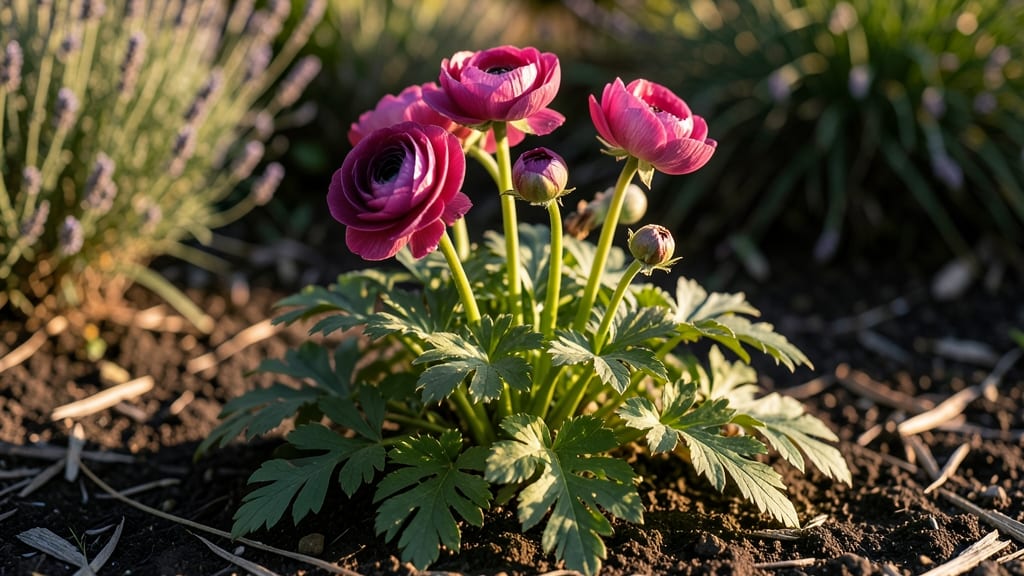
Ranunculus bloom in Zone 6 between late April and early June, turning gardens into a sea of delicate, layered petals 🌸 that seem to defy the chill of lingering spring frosts.
If you’ve ever planted these papery blooms only to watch them fade before summer’s heat sets in, you’re not alone. The key to their full potential lies in understanding your microclimate and planting window—because a few weeks can mean the difference between a showstopper display and a disappointing flop.
In Zone 6a-6b, where last frosts linger until mid-May, timing is everything. Early bloomers like ‘Stargazer’ may peek through the soil as early as late April, while later varieties like ‘Buttercup’ hold off until June.
The secret? Planting in late summer (August-September) ensures roots establish before winter, giving you a head start on next year’s color.
Below, I’ll break down the exact months for peak blooms by variety, how to adjust for late frosts or heatwaves, and the simple tricks—like deadheading and soil prep—that can stretch your ranunculus season by weeks. Ready to turn your garden into a springtime masterpiece?
Ranunculus bloom timeline in Zone 6: month-by-month breakdown
Timing your ranunculus planting in Zone 6 means unlocking a springtime explosion of papery blooms that rival peonies in drama. Unlike many spring flowers, ranunculus thrive when planted in late summer—but their bloom schedule depends on variety and microclimate adjustments.
In my Zone 6b garden, I’ve learned that early bloomers can appear as soon as late April, while late varieties stretch into June with proper care.
The key to predicting bloom times lies in understanding ranunculus’s cold stratification needs and heat tolerance. These tender perennials (yes, they act like bulbs!) need a cool winter dormancy to trigger spring blooms.
In colder Zone 6a areas, expect blooms to arrive 2-3 weeks later than in Zone 6b. Let’s break down exactly when to expect color—and how to adjust for your specific conditions.
| Month | Bloom Stage | Key Tasks | Zone 6 Notes |
|---|---|---|---|
| August | Bulb Planting | Plant bulbs 4-6" deep, 4-6 weeks before first frost | Use well-draining soil; avoid heavy clay |
| September | Root Establishment | Mulch with 2" organic matter | Protect from early frosts with row covers |
| October | Dormancy | Reduce watering; let soil dry slightly | Natural cold stratification begins |
| March | Shoot Emergence | Remove winter mulch; monitor soil temps | Wait until soil reaches 50°F to water |
| April | Early Blooms | Deadhead spent blooms; fertilize lightly | Early varieties (e.g., 'Buttercup') bloom first |
| May | Peak Bloom | Cut back foliage after blooming | Late varieties (e.g., 'Stargazer') peak |
| June | Summer Dormancy | Reduce water; allow foliage to yellow | Prep for fall replanting or bulb storage |
In Zone 6, ranunculus typically begin their spring bloom in late April, with peak color lasting through May. However, this timeline shifts based on variety selection and microclimate.
For example, my 'Buttercup' ranunculus—an early bloomer—often pushes through snow in early April if planted in a south-facing bed with extra mulch.
Mid-season varieties like 'Stargazer' or 'Persian Jewel' usually bloom in mid-May, while late varieties such as 'Pink Beauty' can extend color into early June. The secret to longer blooms?
Plant a mix of varieties spaced 4-6 weeks apart. This staggered approach ensures continuous color from April through June—a 3-month spectacle in my garden.
Late frosts can delay blooms by 2-3 weeks, so monitor your local frost dates. In my Zone 6b garden, I’ve had 'Buttercup' blooms damaged by April frosts, but protecting them with frost cloth shifts their bloom time by only 5-7 days.
For Zone 6a gardeners, expect blooms to arrive 10-14 days later due to colder winters.
Heatwaves in late May can cause ranunculus to go dormant prematurely. To combat this, I’ve found that shade cloth (30-40% coverage) during 90°F+ days extends blooms by 1-2 weeks. Pair this with consistent watering (1 inch
Best ranunculus varieties for Zone 6 and their blooming windows
Choosing the right ranunculus varieties for your Zone 6 garden ensures stunning blooms from late spring through summer. These papery flowers thrive in cooler climates, making them perfect for your region.
The key is selecting cultivars that match your color preferences and garden layout, whether you want compact clusters or towering stems.
Most ranunculus varieties bloom between May and June in Zone 6, but some reblooming types extend color into early July. Cold-hardy varieties like 'Stargazer' and 'Buttercup' handle late spring frosts better than heat-sensitive ones.
For longer vase life, opt for taller varieties like 'Peppermint' or 'Pink Chiffon', which reach 12-18 inches and stay fresh for weeks.
🌸 Comparison Table: Top Ranunculus Varieties for Zone 6 🌸
| Variety | Color | Height (inches) | Bloom Time (Zone 6) | Cold Tolerance | Reblooms? |
|---|---|---|---|---|---|
| 'Stargazer' | Deep pink | 12-18 | May-June | High | Yes |
| 'Buttercup' | Golden yellow | 10-14 | Late May-June | Moderate | No |
| 'Peppermint' | Striped pink/white | 15-18 | May-July | High | Yes |
| 'Pink Chiffon' | Soft pink | 12-15 | May-June | Moderate | No |
| 'White Beauty' | Pure white | 10-14 | Late May-June | High | Yes |
For extended blooming, pair reblooming varieties like 'Peppermint' or 'Stargazer' with non-reblooming types such as 'Buttercup'. This creates a sequential color display from May through July. Plant bulbs in late summer (August-September) for Zone 6's ideal bloom timing, ensuring they establish roots before winter.
If your garden faces late spring frosts, choose 'White Beauty' or 'Stargazer'—their thick petals resist frost damage better than delicate varieties. For container gardening, opt for shorter types like 'Pink Chiffon' (12-15 inches) to fit patio pots or window boxes.
Pro tip: Deadhead spent blooms to encourage reblooming in varieties like 'Peppermint'. Use well-draining soil with added compost to prevent root rot, a common issue in Zone 6's humid summers.
With the right mix of cultivars and care, your ranunculus will burst into color like a springtime explosion! 🌷