
Blooming
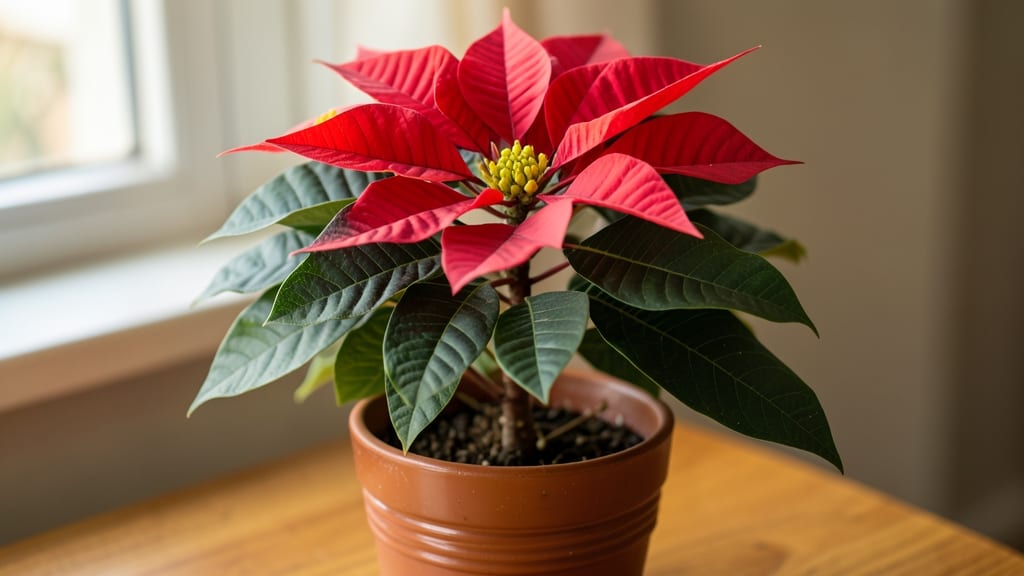
Poinsettias bloom naturally when daylight drops below 10 hours—typically between September and November—but their exact timing depends on variety and climate zone.
If you’ve ever wondered why your poinsettia 🎄 blooms in December but disappears by spring, the answer lies in its natural flowering cycle—and it’s not what most gardeners expect.
These vibrant plants don’t follow the same schedule as roses or tulips, making timing everything for gardeners who want to enjoy their bold colors year-round.
In tropical zones (10-11), poinsettias may start blooming as early as late August, while cooler regions (7-8) often see flowers in November or December. The key? Short daylight exposure triggers blooming, which is why they thrive indoors during winter months.
Here’s how to align your poinsettia’s blooming cycle with your goals—whether you want to enjoy them early or extend their season. We’ll cover daylight tricks, variety differences, and seasonal care adjustments to keep your plant vibrant all year.
Natural poinsettia blooming seasons by USDA climate Zones
Poinsettias thrive in USDA Zones 9-11, where they bloom naturally year-round under the right conditions. However, gardeners in Zones 7-8 typically grow them as houseplants, triggering blooms during the shortest daylight months.
The key difference? Daylight exposure—poinsettias need 12+ hours of darkness for 6-8 weeks to set buds. In warmer zones, this happens naturally in late fall, while cooler zones require artificial light adjustments.
Your local climate dictates when poinsettias bloom, but understanding these patterns helps you plan for vibrant displays. In tropical zones, blooms may appear year-round with proper care, while northern gardeners rely on seasonal light manipulation.
Let’s break down what to expect in your region and how to align your care routine with nature’s cues.
🌱 Key Insight: Poinsettias are short-day plants, meaning they bloom when daylight shortens. This explains why they peak in December-January—their natural response to winter’s shorter days.
In Zones 9-11, poinsettias bloom naturally when nights stay longer than 12 hours, typically starting in late September and peaking through winter.
Gardeners in these regions can enjoy year-round blooms with proper watering and light, though summer blooms may be less vibrant due to longer daylight disrupting the cycle.
For Zones 7-8, the challenge shifts to artificial light control. Without intervention, poinsettias may not bloom at all in these cooler areas. The solution? 6-8 weeks of 10-hour daylight starting in late September. This mimics the natural short-day trigger and ensures blooms align with holiday seasons.
Here’s how to adjust your care based on your zone: In Zones 9-11, focus on consistent moisture and partial shade during summer to protect blooms. In Zones 7-8, use blackout cloth or move plants to dark closets for 14 hours daily after sunset to force blooming.
One common mistake is overwatering during the blooming phase, which can cause bud drop. Poinsettias need well-draining soil and moderate moisture—never soggy. In Zones 9-11, reduce watering slightly in summer to prevent stress, while Zones 7-8 plants benefit from increased humidity during artificial light cycles.
Temperature also plays a role. Zones 9-11 gardeners can grow poinsettias outdoors year-round, but protect them from frost (even a light freeze can damage bracts). In Zones 7-8, keep indoor temperatures between 65-75°F during the 6-8 week dark period to ensure successful blooming.
Pro tip: If you want earlier blooms, start the 10-hour daylight cycle in early September. For later blooms, delay until mid-October. This flexibility lets you time blooms for holidays or special events, whether you’re in a tropical paradise or a cooler climate.
🌿 Remember: Poinsettias are not finicky—they’ll bloom when conditions are right. The key is consistency in light, water, and temperature. With these zone-specific tips, you’ll enjoy vibrant, timely blooms every season.
How poinsettia varieties influence blooming timing
Choosing the right poinsettia variety can shift your blooming timeline by 4-6 weeks, giving you flexibility for holidays or extended seasonal displays.
Classic Euphorbia pulcherrima varieties like 'Celebration' bloom reliably in December-January, but modern hybrids like 'Winter Rose' push blooms to late November or February with the right care. The key difference lies in their growth habits and color development rates.
Traditional red poinsettias follow a strict daylight-dependent schedule, triggered by shorter days in late October. However, white or pink varieties like 'Ice Punch' often mature 2-3 weeks later because their bracts require slightly longer exposure to cool temperatures.
This means if you want Christmas-ready blooms, starting with a red variety gives you the safest bet.
| Variety | Peak Bloom Window | Color Maturity Rate | Size at Bloom | Best For |
|---|---|---|---|---|
| Euphorbia pulcherrima 'Celebration' | Mid-December to early January | Fast (6-8 weeks) | 2-3 ft tall | Classic holiday displays |
| 'Winter Rose' (pink) | Late November to late January | Moderate (7-9 weeks) | 1.5-2.5 ft tall | Extended seasonal color |
| 'Jingle Bells' (bicolor) | Early December to mid-February | Slow (8-10 weeks) | 2-3 ft tall | Unique holiday themes |
| 'Ice Punch' (white) | Late December to early February | Slowest (9-11 weeks) | 1.5-2 ft tall | Elegant winter arrangements |
Dwarf varieties like 'Mini Jingle' reach peak bloom 2-3 weeks earlier than standard sizes because their compact growth means less energy is spent on vertical development.
This makes them perfect for tabletop displays or small-space gardening. However, their smaller size also means slightly less vibrant bract colors compared to larger varieties.
If you're aiming for year-round blooming, consider multi-bloom varieties like 'Premier Red Envy'. These hybrids produce secondary blooms in late winter if given proper light deprivation and temperature control. The trade-off? They require more precise care to maintain consistent color intensity.
For gardeners in cooler climates (Zones 7-8), white and pink varieties often perform better because their lighter pigmentation tolerates slightly lower light conditions. In warmer zones (9-11), deep red varieties thrive with their faster color development, making them ideal for outdoor winter gardens where temperatures stay mild.
To maximize your poinsettia's blooming potential, pair the right variety with consistent light schedules. Start with 14 hours of light in summer, then reduce to 10 hours or less in early fall.
This daylength manipulation is the secret to getting blooms exactly when you want them—whether it's Thanksgiving, Christmas, or even Valentine's Day. 🎄