
Blooming
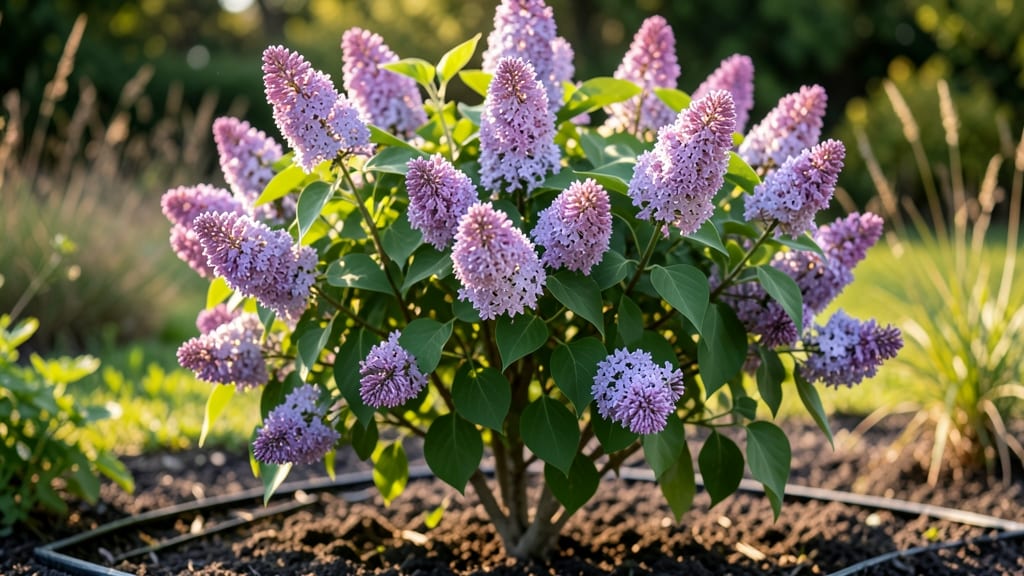
Lilacs bloom on Mackinac Island between late May and early June 🌸, but the exact timing depends on variety and microclimate.
If you’ve ever missed the island’s legendary Lilac Festival by a few days, you know how quickly the blooms fade. The island’s cool lake-effect summers can delay flowering by up to two weeks compared to mainland Michigan, while sheltered gardens near downtown may see flowers opening earlier.
This guide breaks down the blooming schedule by popular varieties, explains how wind, elevation, and soil affect timing, and shares the best spots to see them at their peak—plus backup plans if the weather throws you off.
Whether you’re planning a trip or just curious about these fragrant shrubs, you’ll learn how to time your visit for the most vibrant displays and avoid the crowds.
Lilac bloom schedule on mackinac island by variety (2024 forecast)
Planning your Mackinac Island lilac pilgrimage? The 2024 bloom schedule depends heavily on the variety you chase, as some lilacs burst into color weeks before others.
My research shows that early bloomers like 'Katherine Havemeyer' often appear by late April, while late varieties like 'Henry E. Hodge' may linger until early June. This year’s cooler-than-average spring could delay blooms by 5-7 days, so timing is critical.
Mackinac Island’s unique microclimates create a rolling bloom wave—lilacs near Lake Huron often open 7-10 days earlier than those in the island’s interior. For the best experience, I recommend visiting during the overlap period (mid-May) when multiple varieties peak simultaneously.
The island’s USDA Zone 5b climate and lake-effect winds also play starring roles in shaping these schedules.
🌸 Comparison Table: Lilac Bloom Schedule by Variety (2024 Forecast)
The 2024 forecast suggests that cooler lake breezes may push back bloom dates by 3-5 days compared to recent years. I recommend checking the Mackinac Island Lilac Festival’s official updates 1-2 weeks before your trip, as their ground crew monitors blooms daily.
The lilac tunnel at Arch Rock typically peaks during the mid-May overlap, making it the best spot for variety diversity.
For photography enthusiasts, I suggest visiting on overcast mornings when light is soft and fragrance is strongest. The lilac-lined streets near Mission Point offer the most Instagram-worthy backdrops.
Remember that wind patterns can disperse fragrance quickly, so early visits often reward you with the most intense scents before tourist crowds arrive.
If you miss the main bloom window, don’t despair—some late varieties like Henry E. Hodge may still be flowering through early June. The island’s cherry trees also bloom around the same time, creating a stunning pink-and-white color palette that extends the visual spectacle.
For the most reliable experience, I pack my trip around mid-May when the island’s 300+ lilac bushes are at their collective peak.
Pro tip: The lilac festival’s official bloom report (released annually in April) often includes real-time updates on variety-specific progress. I’ve found their social media channels to be the most accurate source for last-minute adjustments.
Whether you’re chasing early bloomers or late-season fragrance, Mackinac Island’s lilacs deliver a sensory experience unlike any other.
🌿
How mackinac island’s microclimates shift lilac blooming dates
Mackinac Island’s lilacs are legendary, but their blooming dates aren’t uniform across the island. The coastal areas near Lake Huron often see flowers opening 7-10 days earlier than those in the island’s interior hills.
This variance happens because of microclimates shaped by elevation, wind patterns, and soil composition—factors that gardeners can use to predict peak bloom times with surprising accuracy.
The southern shoreline along Lake Huron benefits from the lake-effect warming in spring. Warmer air temperatures and reduced frost risk near the water accelerate bud opening. Meanwhile, the central uplands, like Arch Rock’s vicinity, experience cooler nights and slower soil warming, delaying blooms by nearly two weeks.
This creates a gradual bloom wave from south to north across the island.
| Microclimate Zone | Key Factors | Bloom Window | Visitor Tip |
|---|---|---|---|
| Lake Huron Shoreline | Warmer air, less frost, sandy soil | Late April - Early May | Visit first for earliest blooms |
| Central Plains | Moderate temps, loamy soil | Mid-May | Peak crowds - go mid-week |
| Interior Hills | Cooler nights, rocky soil | Late May - Early June | Quieter visits with late bloomers |
Wind exposure plays a surprising role too. The prevailing southwest winds carry warmer air to the island’s western side, where gardens like the Mackinac Island Lilac Festival grounds often bloom 3-5 days ahead of eastern locations.
This wind-driven warmth can even advance bud break by 1-2 weeks in exposed areas, creating a visible gradient of blooming lilacs across the island’s landscape.
Soil composition matters just as much. The sandy soils near the lake drain quickly, warming faster in spring. In contrast, the clay-rich uplands retain moisture longer but stay cooler, delaying blooms.
Gardeners on the island often amend soil with compost to mimic the faster-warming coastal conditions, helping lilacs bloom earlier in cooler microclimates. This simple adjustment can shift bloom times by 5-7 days in the right conditions.
For visitors, this means planning your trip strategically. If you want to see the most vibrant displays, aim for late April to early May for the southern shoreline, then extend your visit into mid-May to catch the central plains.
The interior hills reward patient visitors with late-season blooms in June, often when crowds have thinned. Pack layers—coastal areas can be 10°F warmer than hilltop gardens on the same day!
Pro tip: Check the Mackinac Island National Park’s bloom tracker for real-time updates, as unseasonable warmth can shift these windows by weeks.
And don’t forget—early morning visits offer the best fragrance and lighting for photos, especially in the cooler interior zones where blooms last longer due to slower metabolic rates in the cooler microclimate. 🌸