
Blooming
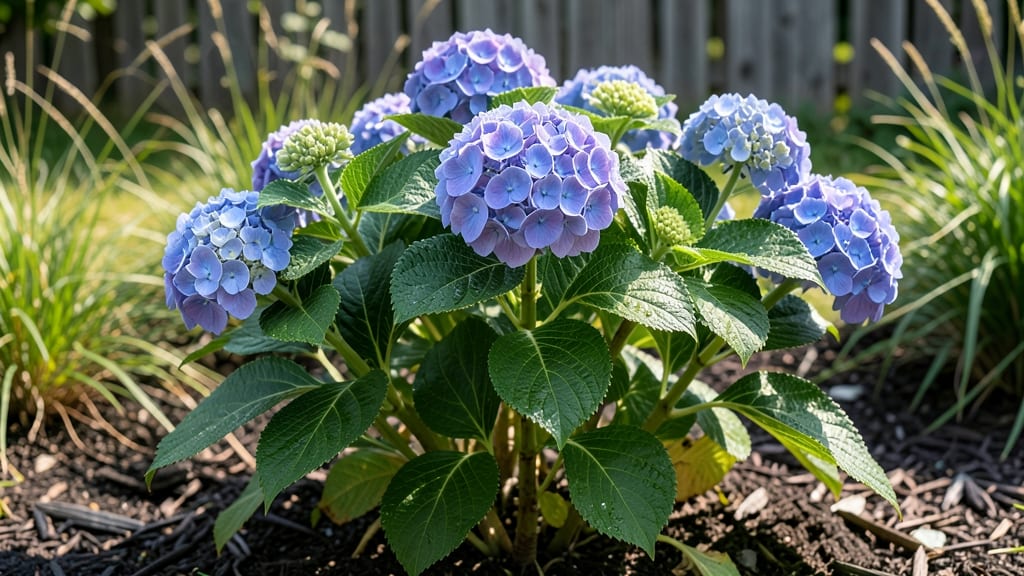
Hydrangeas in Pennsylvania bloom between late May and July, but the exact timing depends on your zone, variety, and last frost date.
Pennsylvania gardeners know the thrill of hydrangeas bursting into color—but timing is everything. Whether you're planning your landscape or troubleshooting a late bloom, knowing when hydrangeas flower in PA's unique climate zones can mean the difference between a showstopper garden and a season of disappointment.
The 5b-7a zones bring different bloom windows: early varieties like oakleaf hydrangeas may appear as soon as late May, while mopheads often wait until June or July. Even within the same zone, a late spring frost can delay blooms by weeks.
Below, I break down the zone-specific bloom timeline, how to extend your hydrangeas' show with reblooming hacks, and why some plants skip flowers entirely—plus how to fix it.
Hydrangea bloom times by Pennsylvania hardiness zones (5-7)
Pennsylvania's diverse climate—from the cool mountains of zone 5 to the warmer valleys of zone 7—creates distinct bloom windows for hydrangeas. Understanding these zone-specific timelines helps you choose the right varieties and plan for late spring frosts that can damage delicate buds.
Whether you're growing mophead hydrangeas for their bold blooms or oakleaf varieties for their fall color, timing is everything.
The key to successful hydrangea blooming in PA lies in knowing your last frost date (typically mid-April) and selecting varieties that match your zone's frost sensitivity. Early bloomers like panicle hydrangeas may face frost damage, while lacecap varieties often bloom later in the season.
Let's break down what to expect in each zone and how to protect your plants from late spring frosts that can ruin bud development.
| Variety | Zone 5 Bloom Time | Zone 6 Bloom Time | Zone 7 Bloom Time | Frost Sensitivity |
|---|---|---|---|---|
| Mophead (Bigleaf) | Late June - July | Mid-June - August | Early June - September | High (buds form late winter) |
| Lacecap | July - August | June - September | May - October | Medium (buds form spring) |
| Panicle | August - September | July - October | June - November | Low (buds form summer) |
| Oakleaf | July - August | June - September | May - October | Medium (buds form late summer) |
In zone 5, where winters are harshest, hydrangeas typically bloom 2-4 weeks later than in zone 7 due to cooler temperatures. Mophead hydrangeas in zone 5 often wait until late June because their buds form on old wood during the previous summer and need warm soil to break dormancy.
If you're in western PA, you might see blooms 1-2 weeks earlier than in the Poconos or northeast due to microclimates.
Zone 6 gardeners enjoy the longest bloom season, with lacecap hydrangeas often starting as early as mid-June and continuing through September. The warmer springs in zone 6 allow buds to develop faster, but late spring frosts (common in April-May) can still damage mophead varieties.
To protect your plants, consider row covers or choosing panicle hydrangeas, which bloom on new wood and are less frost-sensitive.
Gardeners in zone 7 often get the earliest and longest blooms, with some oakleaf hydrangeas flowering as early as May and panicle varieties lasting until November.
The longer growing season in southern PA means you can experiment with reblooming varieties like 'Limelight' or 'Little Lime', which produce two flushes of flowers per season. However, even zone 7 isn't frost-free—early fall frosts in October can cut short the season for late bloomers.
One of the biggest mistakes PA gardeners make is pruning at the wrong time, which can eliminate next year's blooms. Mophead and oakleaf hydrangeas bloom on old wood, so pruning should happen right after flowering (late summer) to avoid cutting off next year's buds. Panicle and lacecap varieties, which bloom on new wood, can be pruned in late winter or early spring to encourage bushier growth and more flowers.
To extend your hydrangea season, consider mulching heavily in fall to protect roots from freezing temperatures and watering deeply before the first frost to ensure plants have moisture reserves. In zone 5, where winters are harshest, wrapping young plants with burlap can prevent winter desiccation.
For container-grown hydrangeas, move pots to a protected location like a garage or against a south-facing wall before temperatures drop below 20°F.
If your hydrangeas aren't blooming when expected, check for bud blast—a common issue in PA where buds fail to open due to temperature fluctuations or poor pollination.
To encourage blooming, feed plants with acid-loving plant fertilizer in early spring and maintain soil pH between 5.2-5.5 for blue flowers (higher pH yields pink blooms). In zone 6-7, you can also deadhead spent blooms to stimulate reblooming in varieties like 'Endless Summer'.
For a showstopping garden, mix early, mid, and late-season varieties to ensure continuous color from June through October
How to extend hydrangea blooms in Pennsylvania: reblooming secrets
Pennsylvania's hydrangeas often deliver one spectacular show—but what if you could double the fun with reblooming? The secret lies in timing and care adjustments tailored to our zone 5-7 climate.
With the right techniques, you can coax a second flush of blooms that rivals your first, turning your garden into a year-round highlight.
Most hydrangeas in PA bloom on old wood (last year's growth), but reblooming varieties like 'Endless Summer' or 'Limelight' can produce two seasons of color with proper care.
The key is pruning smartly, feeding strategically, and protecting them from our unpredictable frosts. Let's unlock these secrets to extend your hydrangea season.
🌸 5 Proven Steps to Extend Hydrangea Blooms
- 📅 Prune in late winter (Feb-Mar) for old-wood bloomers like mopheads. Cut back 1/3 of stems to encourage new growth.
- ✂️ Deadhead spent blooms in early summer to redirect energy to new flower buds for rebloomers.
- 🌱 Test soil pH—hydrangeas thrive at pH 5.2-5.5. Use sulfur or peat moss to acidify if needed.
- 💧 Water deeply weekly during bloom season. Drought stress stunts flower production.
- 🌡️ Mulch heavily in zone 5 gardens to protect roots from late spring frosts (common in PA's April).
For reblooming varieties, summer pruning is critical. After the first flush of blooms fades (typically June-July in PA), trim back 1/3 of the current year's growth.
This encourages the plant to produce secondary buds that will bloom in fall. Think of it as giving your hydrangea a second chance to shine.
Don't overlook soil acidity—it's the secret weapon for vibrant blooms. Pennsylvania's alkaline soils often need help. Amend with hydrangea-specific fertilizer or cottonseed meal in early spring and again after deadheading.
Blue blooms? Your soil is acidic. Pink? It's neutral or alkaline. Adjust with aluminum sulfate for blues or lime for pinks.
Zone 5 gardeners face extra challenges with early frosts. Protect your hydrangeas by mulching 4-6 inches with straw or shredded leaves in late fall. For young plants, wrap stems in burlap and cover with frost cloth during late spring (April) or early fall (October) frosts.
This insulation keeps roots warm enough to support reblooming.
With these reblooming secrets, your Pennsylvania hydrangeas can deliver two seasons of color—one in summer and another in fall. Start with late winter pruning, feed for acidity, and protect against frost, and you'll transform your garden into a year-round hydrangea paradise. 🌿