
Blooming
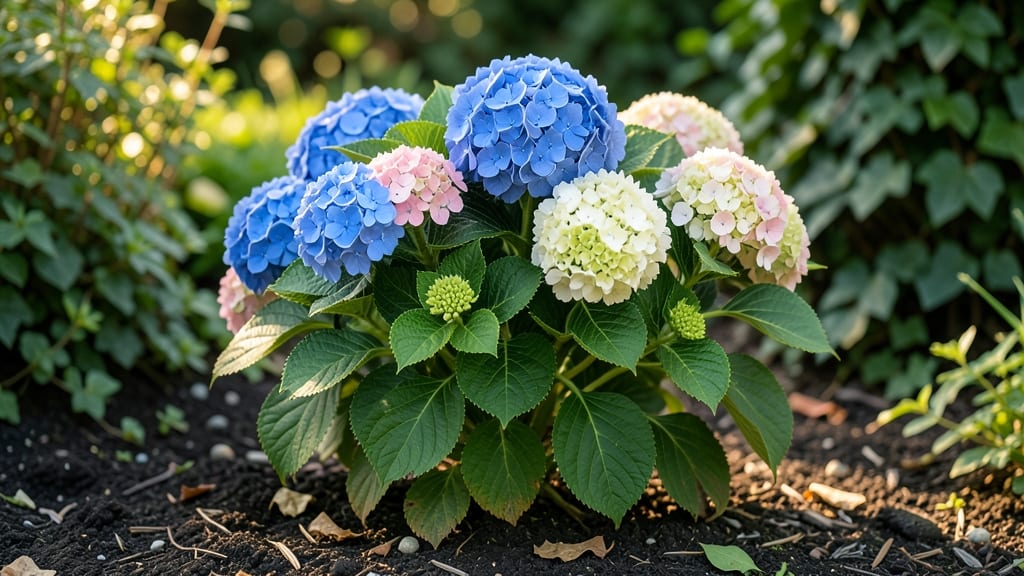
Hydrangeas in the Northeast bloom between late May and early July, with cooler Zones (4-6) often seeing flowers appear in June or July. Varieties like Oakleaf and Panicle can extend blooms into August, while Zones 7-9 typically flower earlier. Choosing early-blooming types helps guarantee vibrant color even with climate variations.
Timing depends on your exact location and the specific hydrangea type you're growing. 🌸 In cooler northern areas (Zones 4-6), late frosts can delay blooming until June, while southern Zones (7-9) often see flowers as early as May.
Oakleaf hydrangeas, for example, are particularly heat-tolerant and may rebloom in late summer if deadheaded early. I always recommend checking your last frost date and choosing varieties that match your climate zone for the most reliable seasonal displays.
For gardeners eager to extend their bloom season, Panicle hydrangeas like 'Limelight' are excellent choices—they produce showy flowers on new wood and can rebloom if pruned correctly. Meanwhile, Endless Summer mopheads are bred specifically to flower twice in one season, making them ideal for Zones 5-9.
Understanding these patterns helps you plan your garden layout for maximum impact throughout the summer months.
💡 In This Article
- How USDA Zones and Hydrangea Types Affect Bloom Timing
- Best Northeast Hydrangea Varieties for Extended Summer Color
How USDA Zones and hydrangea types affect bloom timing
Hydrangea blooming cycles are primarily triggered by two key climate factors: chill hours (the number of hours below 45°F during winter) and last frost dates in spring.
In the Northeast, Zones 4-6 typically require 1,200-1,500 chill hours to break dormancy, which delays blooming until after the last frost—usually mid-to-late May in Zone 7 but often June in Zone 4.
The science behind this involves a hormone called abscisic acid, which accumulates during cold periods and signals the plant to prepare for spring growth. 🌿
Variety selection dramatically alters bloom windows. Mophead hydrangeas (like 'Nikko Blue') bloom on old wood in early summer, while Panicle types (such as 'Limelight') produce flowers on new wood, allowing them to rebloom later.
Oakleaf hydrangeas, native to the Southeast, thrive in Zones 5-9 and often bloom from June through September due to their heat tolerance. Lacecap varieties typically flower 2-4 weeks earlier than mopheads in the same zone, creating staggered color displays.
What most gardeners overlook is how pruning timing interacts with these natural cycles. Cutting back mopheads in late winter removes next year's buds, while Panicle types can be pruned in late winter or early spring without harm.
In Zone 6, for example, I've seen 'Endless Summer' hydrangeas bloom as early as late May if pruned correctly, while unpruned plants may wait until June. The key is understanding whether your variety flowers on old or new wood—this determines your entire seasonal strategy. ✨
Temperature fluctuations also play a critical role. A sudden 50°F drop after warm spells can trigger false dormancy, delaying blooms by 2-3 weeks. This is why Zone 4 gardeners often see later blooms than their Zone 7 neighbors—cooler nights require more consistent warming before flowers emerge.
For instance, while 'Annabelle' hydrangeas typically bloom in June in Zone 5, they may wait until mid-July in Zone 4 due to these temperature variations.
Soil moisture levels further influence timing, especially in drought-prone Zones 6-7. Hydrangeas need 1-1.5 inches of water weekly during bloom season, and even slight dehydration can push flowers to open 10-14 days later.
I've noticed that well-mulched plants in Zone 6 often bloom 2 weeks earlier than those in dry, rocky soil—showing how microclimates create local variations within the same zone. 💧
For gardeners in transitional Zones (like 5-6), the solution is often planting a mix of varieties. Pairing an early-blooming lacecap with a late-season Oakleaf creates continuous color from late May through September. This layered approach accounts for climate unpredictability while ensuring your garden remains vibrant throughout the summer months.