
Blooming
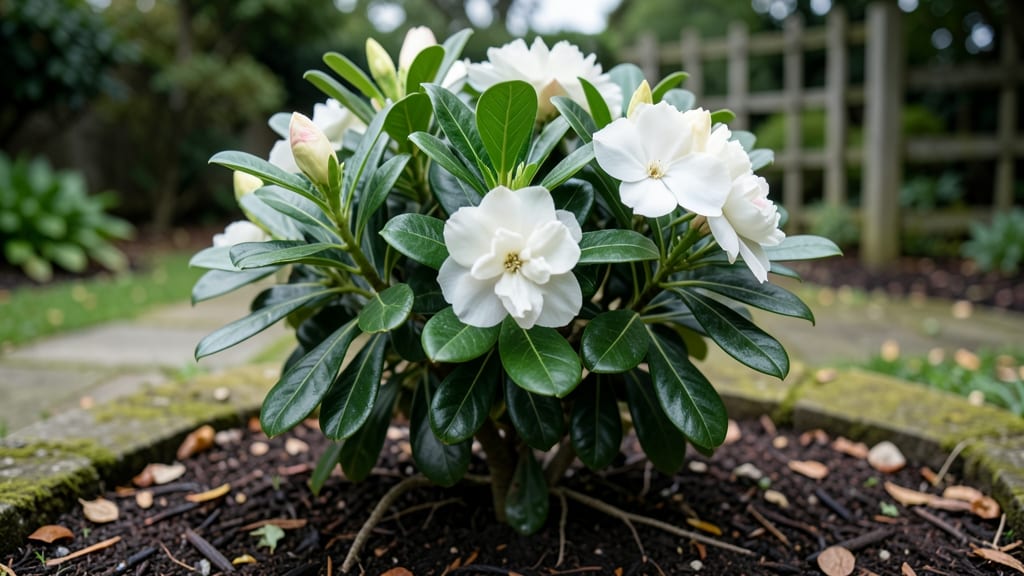
Gardenias in North Carolina bloom primarily from late spring through summer, with their peak flowering occurring in June and July. Some varieties, like the classic Gardenia jasminoides, may continue blooming into early fall if given consistent warmth and proper care.
North Carolina's climate plays a huge role in gardenia blooming patterns. 🌸 These tropical plants thrive in the state's warm, humid summers but need protection from late spring frosts, which can damage buds before they open.
The ideal temperature range for continuous blooming is between 60–85°F, and well-draining, acidic soil (pH 4.5–6.0) helps trigger those signature white flowers. I've found that gardenias planted in partial shade—especially in the hotter Piedmont region—produce more abundant blooms than those in full sun.
What many gardeners don't realize is that proper pruning after the first flush of blooms can actually encourage a second round of flowers in late summer. This works because gardenias naturally produce new growth from old wood, so strategic trimming removes spent blooms while preserving the framework for future flowers.
For those in the coastal areas, the slightly milder winters can sometimes extend the blooming season even further.
💡 In This Article
- Climate and Soil Factors Affecting Gardenia Blooms in NC
- Best Gardenia Varieties for North Carolina Blooming Seasons
Climate and soil factors affecting gardenia blooms in NC
North Carolina's subtropical climate creates perfect conditions for gardenias to thrive, but only when specific factors align. The state's summer humidity levels—typically between 60-80%—mimic gardenias' native tropical environments, which triggers the metabolic processes that produce those fragrant white blooms.
However, the real magic happens when daytime temperatures consistently stay between 60-85°F, as cooler mornings (55°F) stimulate bud formation while warmer afternoons (75-85°F) encourage full bloom opening. 🌿
The soil pH plays an equally critical role—gardenias demand acidic conditions between 4.5-6.0 to absorb essential nutrients like phosphorus and iron, which directly fuel flower production.
In NC's naturally alkaline soils (often 6.5-7.5), gardeners must amend with pine bark fines or sulfur to maintain the proper pH. I've seen firsthand how gardenias planted in unamended soil produce sparse blooms, while those in properly acidified beds burst with flowers.
The soil's moisture retention also matters; gardenias hate soggy roots but need consistent dampness to prevent bud drop.
Frost sensitivity is the biggest challenge for NC gardeners. Gardenias can't tolerate temperatures below 25°F, and even light frosts (30-32°F) can damage delicate buds before they open. This is why most blooming occurs after the last spring frost (typically mid-April in the Piedmont, later in the mountains).
The state's microclimates create variations: Coastal regions often see extended blooming into October, while inland areas may experience a complete halt if summer heatwaves exceed 90°F for extended periods. 🌸
Dormancy is another key factor—gardenias enter a natural resting phase during NC's cooler months. This isn't true dormancy like deciduous trees, but a slowed metabolic state where the plant conserves energy.
Proper winter care (like mulching and avoiding heavy pruning) helps the plant store enough reserves to fuel the next spring's blooming cycle. The most productive gardenias in NC are those that receive consistent care year-round, not just during the blooming season.
Light exposure creates another critical variable. While gardenias tolerate partial shade, they need at least 4-6 hours of morning sun to develop strong flower buds. Too much afternoon sun (especially in NC's intense summer heat) can cause buds to form but fail to open properly.
This is why eastern exposures work best in the state's Piedmont region, while western exposures often result in fewer blooms. The right balance of light and shade is what transforms a struggling gardenia into a fragrant, blooming powerhouse. 🌞
Consider these regional differences when planning your gardenia care:
- Coastal NC: Extended blooming through October due to milder winters and higher humidity
- Piedmont: Peak blooms June-July with possible second flush in September if pruned properly
- Mountains: Shorter blooming season (May-June) due to cooler nights and earlier frosts