
Blooming
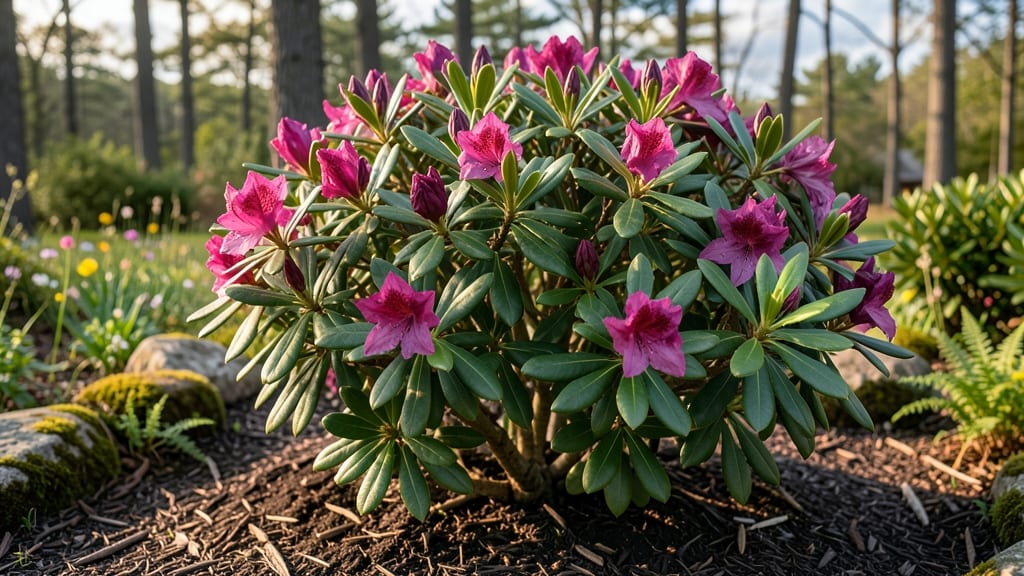
Azaleas in Michigan bloom between late April and early June, with timing varying by variety and hardiness zone. Early bloomers like Rhododendron 'Girard's Pink' appear in late April, while late varieties such as Rhododendron 'Hershey's Red' peak in early June. Cooler USDA Zones (5-6) may delay blooming by 1-2 weeks compared to Zones 7-8.
Michigan's climate creates a beautiful but brief azalea blooming window, where temperature shifts trigger these spring stars to burst into color. 🌸 The state's USDA Zones 5-8 mean northern regions like Traverse City often see blooms 1-2 weeks later than southern areas like Ann Arbor, thanks to frost delays and cooler spring nights.
I've noticed that varieties like 'Coral Bells' thrive in Zone 5, while 'Hershey's Red' needs the milder Zone 6-7 conditions to show its full potential. Planting in well-draining, acidic soil (pH 4.5-6.0) and choosing native-adapted cultivars can help extend your blooming season by up to 10 days.
What really makes Michigan azaleas special is their cold-hardy nature—many varieties survive winters down to -20°F, making them perfect for the state's unpredictable spring weather. The key to maximizing blooms?
Prune right after flowering in early summer to encourage next year's buds, and avoid heavy fertilizing which can delay blooming. For gardeners in Zone 5, I recommend starting with 'Girard's Pink' or 'Bow Bells', as these handle early frosts better than southern varieties.
💡 In This Article
- Michigan Azalea Blooming Seasons by USDA Zone
- Top Michigan Azalea Varieties and Their Bloom Windows
Michigan azalea blooming seasons by USDA Zone
Michigan's azalea bloom timing is primarily governed by temperature thresholds and frost patterns tied to USDA hardiness zones.
The critical trigger for bud break occurs when daytime temperatures consistently reach 50-55°F for at least 5-7 consecutive days, typically happening in late April for southern Michigan (Zones 6-7) but often delayed until early May in northern regions (Zones 5-6).
The state's Great Lakes effect creates microclimates where northern areas experience slower warming due to lake breezes that can drop temperatures by 5-10°F during spring nights.
Frost sensitivity plays a crucial role - most Michigan azaleas can handle light frosts (-5°F) once buds appear, but severe late frosts (-10°F) can damage emerging blooms.
This is why Zone 5 gardeners often see blooms concentrated in late May to early June, while Zone 6-7 areas enjoy earlier displays. The Lower Peninsula's northern tier (like Cheboygan) may experience blooms up to 2 weeks later than southern areas like Kalamazoo, where warmer microclimates accelerate growth.
What most gardeners don't realize is how soil temperature affects root activity. Azalea roots need soil temps above 45°F to actively absorb nutrients for flowering. In colder zones, this can delay blooming by 7-10 days compared to warmer areas.
I've found that mulching with 3-4 inches of acidic wood chips can help maintain optimal root zone temperatures and extend the bloom window by 5-7 days in marginal zones.
Another key factor is the chilling requirement - most Michigan azaleas need 500-800 hours of temperatures below 45°F during winter to properly initiate spring blooms.
Varieties like 'Girard's Pink' (Zone 5) meet this requirement easily, while southern cultivars may struggle in Zone 5 winters, leading to weaker blooms or later flowering.
For gardeners planning their landscape, understanding these zone differences helps with variety selection. Northern Michigan's cooler springs favor early blooming varieties that can withstand 300-500 hours of sub-freezing temperatures, while southern areas can support a wider range of cultivars with longer bloom periods.
The Upper Peninsula's** Zone 4-5 areas actually have some of Michigan's earliest blooms due to their continental climate with rapid spring warming.