
Blooming
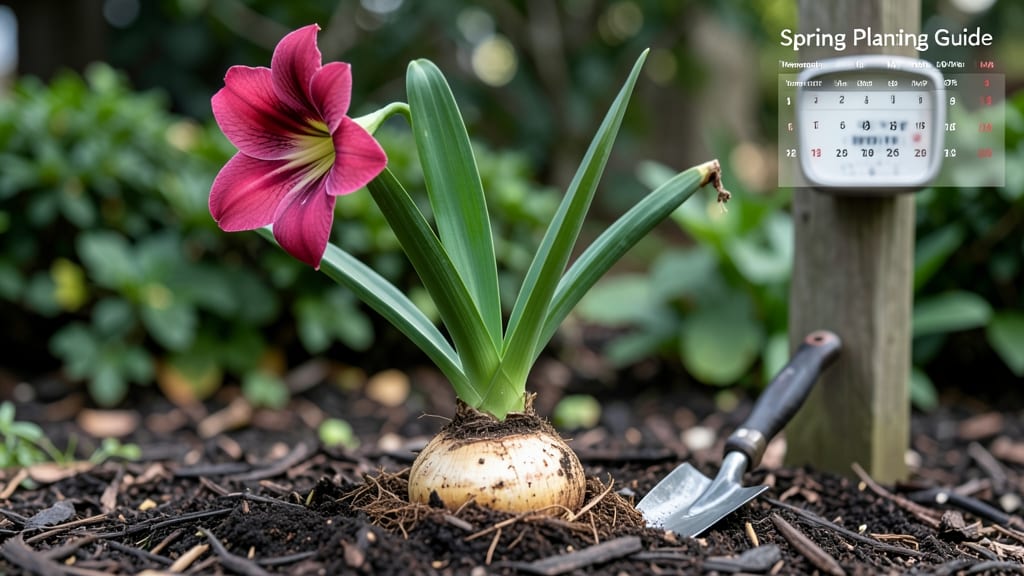
Amaryllis blooms outdoors in late summer to early fall 🌸 — typically between August and October, depending on your climate zone and planting timing.
Picture this: a garden bursting with bold, trumpet-shaped blooms that turn heads every time you walk outside. But here’s the catch—if you plant your amaryllis bulbs at the wrong time, you might end up with a patch of green leaves and no flowers at all.
The secret lies in understanding your local frost dates and how they sync with the plant’s natural cycle.
In USDA Zone 6a, where most gardeners start their outdoor amaryllis journey, bulbs need 6-8 weeks of warm soil before blooming. That means planting in late summer (around August) ensures flowers by September or October—just in time for peak fall color.
But zones 7-11 have different rules, and even a week off can mean the difference between a showstopper and a flop.
Below, I’ll break down the exact bloom windows for each zone, plus pro tips to force earlier or later blooms—so you can enjoy those stunning flowers no matter where you live.
Amaryllis blooming timeline by USDA climate zones: when to expect flowers outdoors
Amaryllis (Hippeastrum) bulbs thrive outdoors in warmer climates, but their bloom timing varies dramatically across USDA zones 7-11. Unlike their indoor counterparts, outdoor amaryllis rely on natural seasonal cues—cool fall nights and warm winter days trigger those iconic trumpet-shaped flowers.
If you’ve ever planted bulbs expecting spring blooms only to be disappointed, this zone-by-zone guide will help you sync your garden’s timing with nature’s schedule.
The key to outdoor amaryllis success lies in planting bulbs 4-6 weeks before your first frost, allowing roots to establish before dormancy. In Zone 7, this means late summer (August), while Zone 11 gardeners can plant as late as early October.
Microclimates—like sunny south-facing slopes—can shift bloom windows by 2-4 weeks, so always adjust for your specific yard conditions.
| USDA Zone | Planting Window | First Frost Date | Peak Bloom Period | Notes |
|---|---|---|---|---|
| Zone 7 | Late August - Early September | Mid-October | Late October - November | Early frost risk; protect bulbs with mulch |
| Zone 8 | Mid-August - Late September | Late November | Early November - December | Extended bloom with mild winters |
| Zone 9 | Late August - Early October | January (light frost) | December - January | Winter blooms possible in microclimates |
| Zone 10 | September - Early November | None (frost-free) | October - February | Year-round blooms with staggered planting |
| Zone 11 | October - December | None (tropical) | Year-round (peak: Oct-Feb) | No dormancy; continuous blooms |
In Zone 7, where frosts arrive earliest, aim to plant bulbs by early September to ensure roots establish before mid-October freezes. Use black plastic mulch to extend the growing season by 2-3 weeks—this simple trick can push blooms into November.
For Zone 8, where winters are milder, you’ll see flowers as early as late October, with some varieties lasting until December if protected from hard freezes.
Gardeners in Zones 9-11 enjoy the longest bloom windows, but timing still matters. In Zone 9, plant bulbs by early October to catch the December-January bloom window. The key here is soil temperature: amaryllis need 60-65°F soil to trigger flowering.
In Zone 10 and 11, where frosts are rare or nonexistent, you can plant bulbs year-round for staggered blooms—just ensure they get 6+ hours of sunlight daily.
Microclimates can shift these timelines dramatically. A south-facing slope in Zone 7 might stay warm enough for blooms until mid-November, while a north-facing garden bed could delay flowers until December.
Always observe your yard’s sun exposure patterns and adjust planting dates accordingly. For example, if your garden stays 10°F warmer than the zone average, push planting 2 weeks later.
One common mistake is assuming outdoor amaryllis follow the same indoor forcing schedule. Unlike potted bulbs forced in winter, outdoor amaryllis need natural temperature fluctuations to bloom.
If you’re in Zone 10 and want spring blooms, plant bulbs in late winter (February)—the cool nights and warm days of spring will trigger flowers by April or May.
To maximize bloom duration, choose reblooming varieties like 'Red Lion' or 'Pink Paradise', which can produce two flower stalks per bulb in ideal conditions. After blooming, let the foliage yellow naturally—this stores energy for next year’s flowers. In Zones 7-8
How to force amaryllis blooms earlier or later: pro tips for gardeners in unpredictable climates
Amaryllis (Hippeastrum) bulbs naturally bloom in late fall to winter, but unpredictable weather can throw off your garden’s timing. The key to forcing earlier or later blooms lies in controlling light exposure, soil temperatures, and planting schedules.
Whether you want vibrant blooms for Thanksgiving or a surprise spring show, these strategies will help you take control—without sacrificing plant health.
Outdoor amaryllis thrive when planted 6-8 weeks before your first frost date, but even then, blooms can arrive weeks early or late. Light deprivation is the most reliable trick for gardeners in warm climates who want winter blooms, while soil warming speeds up growth in cooler zones.
Let’s break down the best methods for your specific needs, including how to avoid common mistakes like overwatering or poor drainage that stall blooms.
Indoor vs. Outdoor Forcing Methods
| Method | Pros | Cons |
|---|---|---|
| Indoor Forcing | Precise control over light/temperature; blooms on schedule | Requires dark storage space; bulbs may not rebloom outdoors later |
| Outdoor Forcing | Natural conditions; bulbs may rebloom for years | Unpredictable weather delays blooms; frost risk in early zones |
Tip: Combine methods—force indoors for early blooms, then replant outdoors for a second show!
To force earlier blooms, start by planting bulbs indoors in late summer (August-September) and subject them to 12-14 hours of darkness daily for 6-8 weeks. Use a black plastic bag or cardboard box to cover the pot during daylight hours.
Once sprouts reach 3-4 inches, move them to a sunny window or grow light. For outdoor forcing, plant bulbs in well-draining soil and mulch heavily to insulate roots—warmer soil triggers faster growth.
Forcing later blooms requires patience. Plant bulbs outdoors in early spring (March-April) instead of fall. Use black landscape fabric to block light if you want to delay sprouting until summer. Soil temperature is critical—aim for 60-70°F at planting depth.
In cooler climates, consider container growing so you can move pots to a sunny patio or greenhouse once temperatures rise.
Common mistakes that delay blooms include overwatering (which rots bulbs), poor drainage (leading to root suffocation), and planting too deep (buried bulbs struggle to push through soil). Always use sandy loam soil with perlite or grit to improve aeration. After blooming, let foliage yellow naturally—this feeds the bulb for next year’s flowers. Cut back only when leaves are completely brown.
With these techniques, you can enjoy stunning amaryllis blooms whenever you choose—whether it’s a holiday centerpiece or a surprise spring surprise. Experiment with timing, and don’t forget to take notes on what works best in your microclimate! 🌸