
Blooming
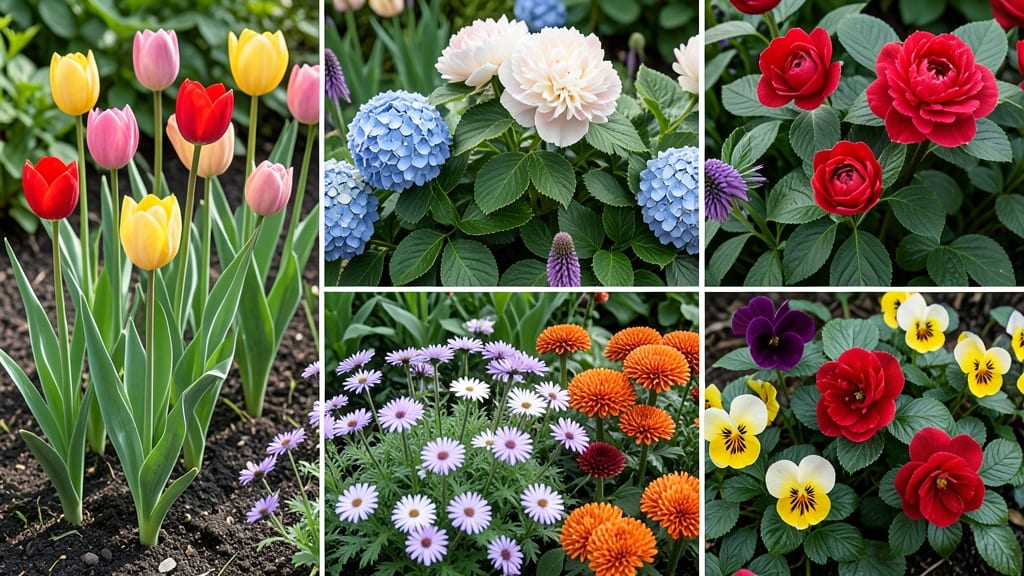
What's currently in bloom now varies by your location and time of year, with spring bringing vibrant tulips, daffodils, and peonies, while summer highlights bold roses, sunflowers, and hydrangeas. For exact timing, consult regional bloom calendars or gardening apps.
What's in bloom now depends heavily on where you live and what time of year it is. 🌸 Spring's signature flowers like tulips and daffodils typically start appearing in late March through May, while summer's standouts—roses and sunflowers—peak from June to August. The key factor? Daylight hours and temperature shifts trigger these blooms, so coastal areas might see earlier blooms than inland regions. I always check my local extension service's bloom tracker to know exactly when to plant companion flowers for maximum impact.
For gardeners, understanding these cycles helps with planning. Peonies often bloom in May, while hydrangeas might wait until June or July, depending on your climate zone. The USDA plant hardiness zones provide great guidance—Zone 5 might see earlier blooms than Zone 9.
Pro tip: Container gardens can extend bloom seasons by moving plants to sunnier spots when needed.
💡 In This Article
- Seasonal Flower Bloom Cycles Explained
- Regional Bloom Guides by U.S. Zone
Seasonal flower bloom cycles explained
Flowering isn't random—it's a precise biological response to environmental cues. Plants use a combination of daylight hours (photoperiodism) and temperature thresholds to trigger bloom cycles.
For example, tulips and daffodils are vernal bloomers, meaning they need 6-12 weeks of cold temperatures (below 40°F) followed by warming days to break dormancy. This explains why spring blooms arrive later in northern climates where winters are longer.
The science gets even more fascinating with short-day plants like chrysanthemums, which bloom when daylight drops below 12-14 hours—perfect for autumn gardens.
Regional climate variations create dramatic differences in bloom timing. Coastal areas often see earlier blooms due to milder winters and ocean currents that moderate temperatures. For instance, California's Zone 9 might see peonies bloom in April, while New York's Zone 5 might not see them until late May.
Soil conditions also play a role—well-draining soil with pH 6.0-7.0 helps flowers like hydrangeas thrive, while waterlogged conditions can delay blooms by 2-4 weeks. The key to predicting bloom periods is tracking these three factors: chill hours, daylight exposure, and soil temperature.
Understanding these mechanisms helps gardeners time their planting for maximum impact. Most spring bulbs should be planted in fall (8-10 weeks before frost) to establish roots before blooming. Summer flowers like sunflowers, however, prefer direct sunlight (6+ hours/day) and warm soil temperatures (60°F+) to germinate quickly.
The trade-off? Early planting in cold climates risks frost damage, while late planting in hot zones can lead to leggy, weak stems. This is why local bloom charts from agricultural extensions are invaluable—they account for microclimates that can shift bloom times by 1-3 weeks.
Even within the same species, bloom timing varies by cultivar. For example, early tulip varieties like 'Early Harbingers' may bloom in late April, while late varieties like 'Darwin Hybrid' peak in May.
This genetic diversity allows gardeners to stretch the bloom season by mixing early, mid, and late varieties. The same principle applies to roses—some bloom continuously all summer, while others have single flushes that last only 2-3 weeks.
This explains why professional gardens often feature layered planting schemes to ensure continuous color from spring through fall.
For those tracking blooms, technology offers helpful tools. Apps like Gardenate or PlantNet use your ZIP code to predict local bloom times with 90% accuracy. These tools factor in historical weather data and USDA zone maps to give tailored recommendations.
The most precise method, however, remains consulting your local cooperative extension service, which maintains real-time bloom reports based on community observations. 🌱
What most people don't realize is how pollinators influence bloom timing. Bees and butterflies often trigger secondary flowering in plants like zinnias, causing them to produce a second round of blooms if the first flowers are pollinated.
This creates a feedback loop where garden maintenance (like deadheading) can extend bloom seasons by 30-50%. The takeaway? Paying attention to these natural rhythms—not just the calendar—is the secret to a garden that stays vibrant all season long.