
Blooming
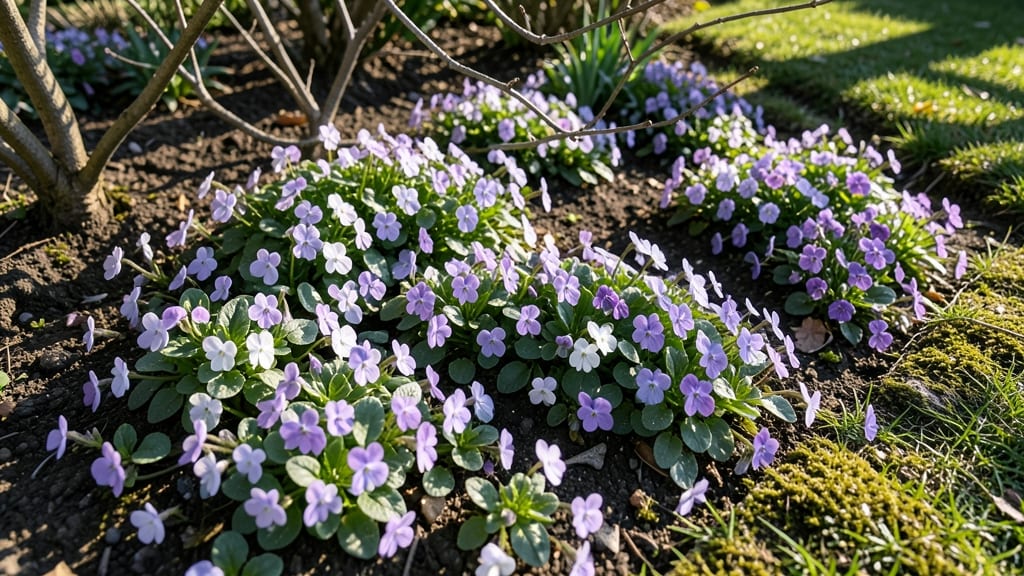
March signals the start of spring’s vibrant awakening, when hardy flowers defy winter’s chill to bring color and life to gardens. These ten early bloomers thrive in cool weather, offering pollinators their first feast and gardeners their first rewards of the season.
Daffodils: Cheerful Yellow Garden Icons
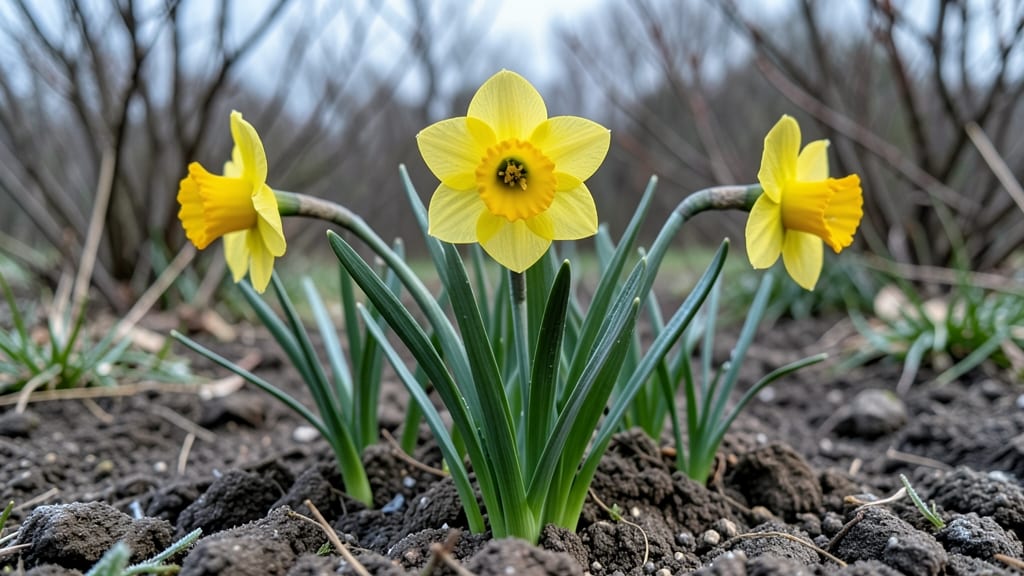
When March’s chill still lingers, daffodils burst through the soil like golden fireworks, proving spring’s arrival with their frost-tolerant blooms and cheerful trumpet shapes. These iconic flowers aren’t just pretty—they’re resilient, thriving in temperatures as low as 20°F and even reblooming in mild winters.
Plant them in full sun to partial shade and well-drained soil for best results. For indoor forcing, dig up bulbs in fall, pot them, and keep them cool until March—watch them bloom weeks ahead of outdoor plants! Their bright hues also deter deer, making them a practical choice for rural gardens. 🌻
Crocus: Tiny Purple and White Harbingers
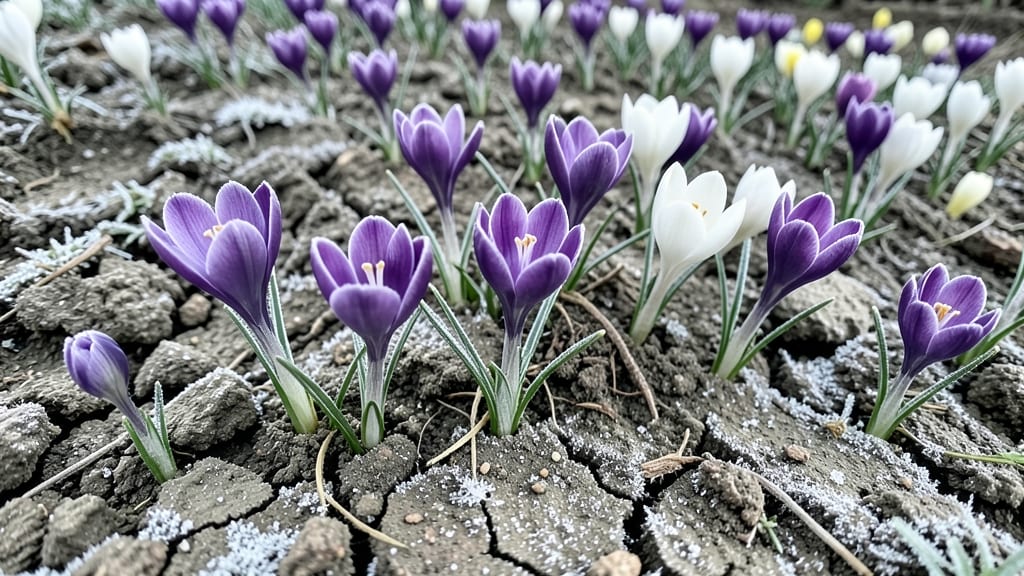
While daffodils steal the spotlight with their bold yellow blooms, crocus quietly steals the show as the unsung hero of early spring gardens. These tiny purple and white flowers push through frozen soil as soon as temperatures dip into the 40s°F, offering a burst of color when most gardens are still dormant.
Unlike finicky perennials, crocus thrives in rocky soil and partial shade, making it perfect for under trees, along driveways, or even tucked into lawns. Plant bulbs in fall for a year-round display—some varieties bloom in autumn, others in spring. Their early nectar supports bees and other pollinators when food is scarce, and they’re deer-resistant, so you’ll get blooms without the browse.
Gardeners with limited space or shady spots will love crocus—it’s the only flower that can transform a dull corner into a cheerful spring tableau with almost no effort. 🌱
Snowdrops: Elegant White Bell-Shaped Flowers
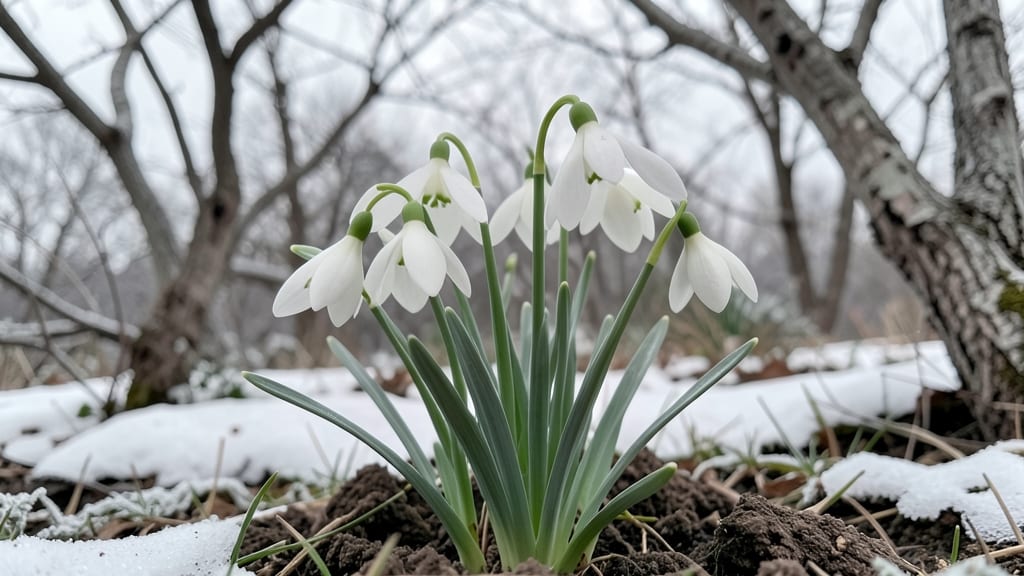
When most flowers are still tucked under the soil, snowdrops emerge like tiny messengers of spring, their delicate white bells signaling that winter’s grip is loosening. These hardy perennials thrive in late winter to early spring, often blooming before snow has even melted in many regions.
Plant them in woodland gardens or shady spots where few other flowers can survive, as they prefer dappled sunlight and moist, well-drained soil. Snowdrops multiply quickly, creating natural drifts over time, and their early blooms provide vital nectar for bees and other pollinators. They’re also deer-resistant, making them ideal for country gardens or urban yards with wildlife visitors. 🌱
Pansies: Hardy Cool-Weather Annuals
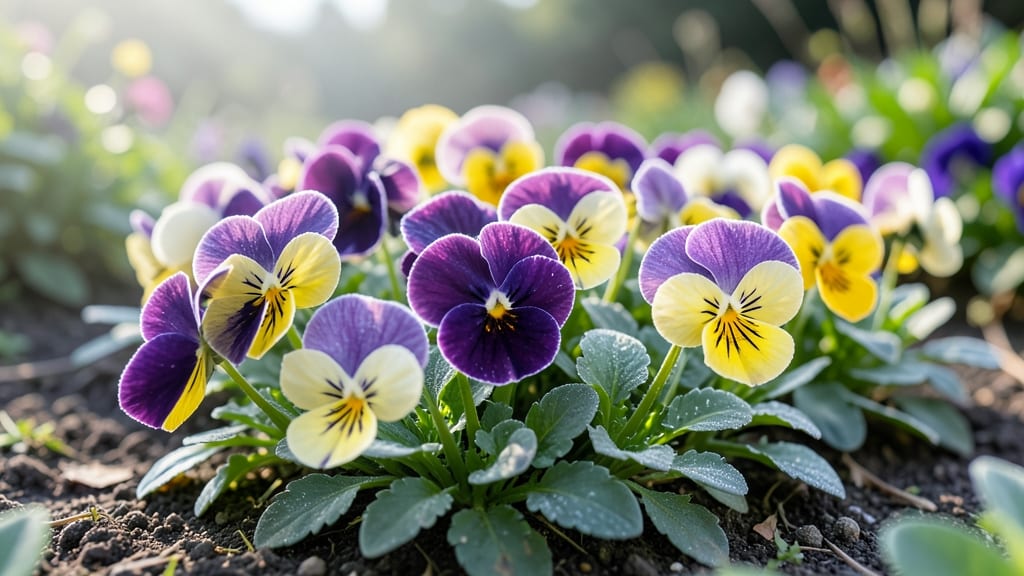
When you crave color and texture in your garden before the heat of summer arrives, pansies deliver a two-for-one deal: stunning visuals and edible blooms. Their frost-resistant nature means they’ll thrive in March’s chilly mornings, while their intricate "faces" create a whimsical focal point in any space.
Plant these cheerful annuals in full sun to partial shade, where they’ll reward you with blooms from early spring until frost. You can tuck them into containers for patio pops of color, line borders for a playful edge, or even harvest petals for salads (they taste mildly sweet!). Deadhead spent blooms to encourage nonstop flowering—just be gentle with those delicate petals.
Urban gardeners and beginners will love pansies for their low-maintenance nature and versatility. They’re the perfect way to bridge winter and spring while adding a touch of edible beauty to your landscape. 🌻
Bleeding Heart: Delicate Pink Drops
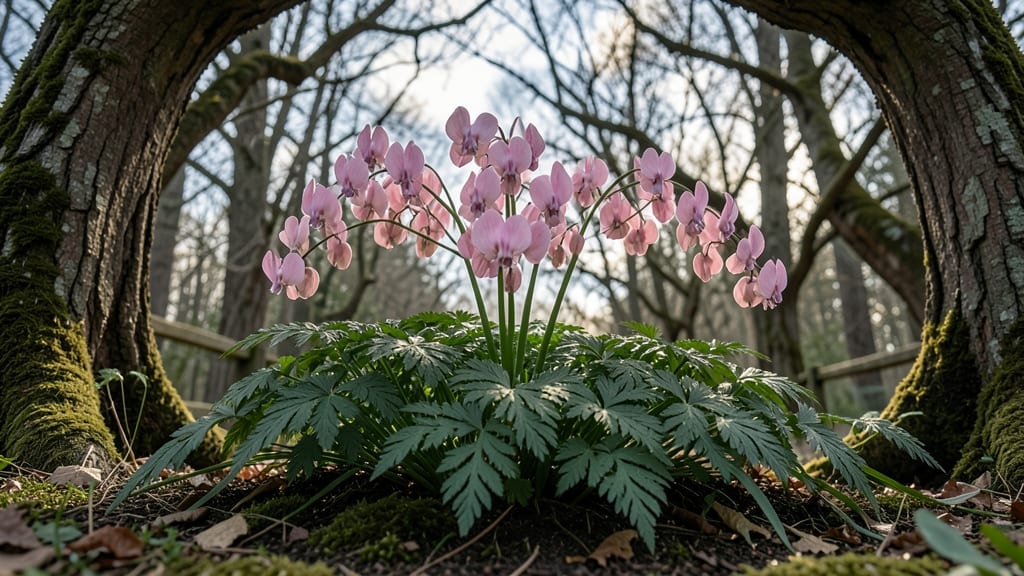
If your garden has spots where sunlight barely reaches—under trees, along north-facing fences, or in dense woodland areas—bleeding heart (Dicentra spectabilis) is your secret weapon for early spring color. This graceful perennial delivers cascading clusters of heart-shaped pink flowers that bloom in late winter to early spring, often before most other perennials even think about waking up.
Plant bleeding heart in partial to full shade, where it thrives in moist, well-drained soil with organic matter. Its fern-like foliage provides year-round interest, while the flowers dangle elegantly from arching stems, creating a romantic, almost whimsical display. For best results, divide clumps every 3-4 years to prevent overcrowding and encourage vigorous blooming.
Perfect for gardeners with shady spots who still crave drama, bleeding heart pairs beautifully with hostas, ferns, and hellebores for a lush, layered woodland garden. Its delicate blooms also make stunning cut flowers for indoor arrangements. 🌷
Hellebores: Evergreen Lenten Roses
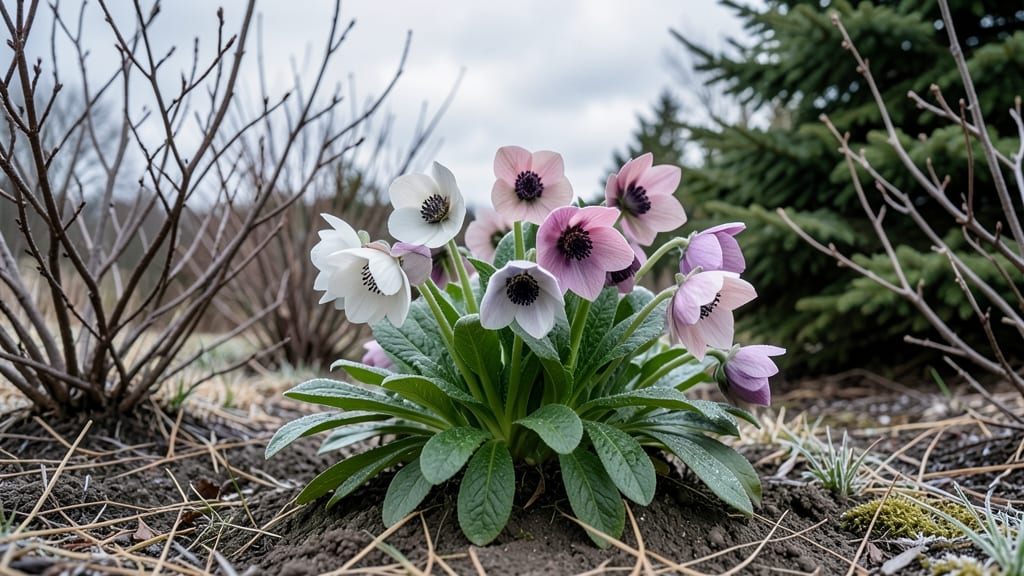
When your garden still looks like winter’s leftover gray, hellebores step in as the unsung heroes of early spring. These evergreen perennials, also called Lenten roses, bloom from late winter through March with their distinctive nodding flowers—often in shades of white, pink, or purple—that seem to wink at you from the shadows.
Thriving in partial shade, hellebores are perfect for understory planting beneath trees or along north-facing walls where other flowers struggle. Their leathery, dark green foliage stays attractive year-round, and they’re remarkably low-maintenance, tolerating everything from dry shade to moist woodland soil. Plant them in well-drained areas for long-lasting color that starts when most gardens are still dormant.
Ideal for gardeners with shady spots or those seeking early pollinator support, hellebores also make stunning cut flowers that last weeks in vases. Their quiet elegance turns overlooked corners into focal points. 🌱
Primroses: Fragrant Clusters of Color
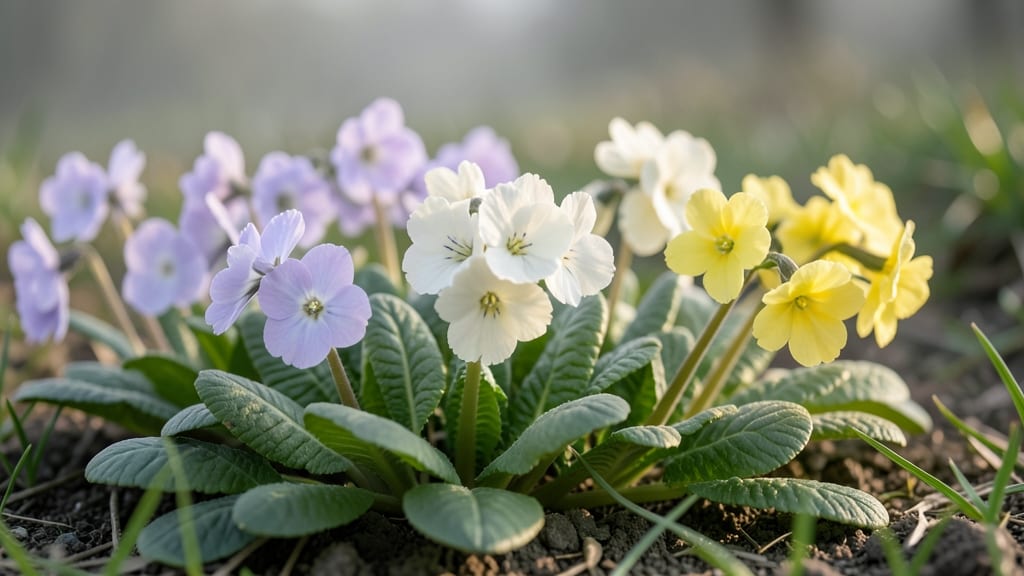
When you crave a fragrant burst of color in early spring, primroses deliver with their delicate clusters of blooms that seem to whisper, "Spring is here!" Unlike many early bloomers, primroses thrive in cool-season conditions, making them ideal for March gardens.
These charming flowers love partial shade to full sun and well-drained soil, perfect for cottage gardens, rockeries, or even as cut flowers in cool-season arrangements. Plant them in clusters for maximum impact, and enjoy their sweet fragrance that attracts early pollinators like bees. Varieties like Oxlip or Cowslip add unique textures and colors to your spring palette.
Primroses are a must-have for gardeners who want low-maintenance yet high-impact early blooms. Their cheerful faces brighten up shady corners and containers, making them a favorite for both beginners and seasoned gardeners alike. 🌷
Hyacinths: Sweetly Scented Purple Spikes
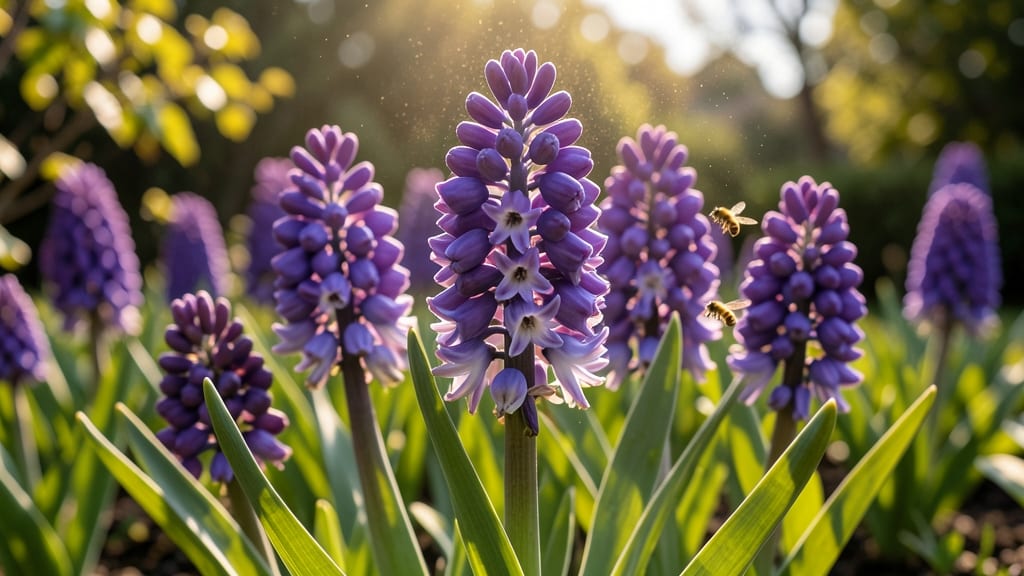
When you crave a fragrant burst of color in early spring, hyacinths deliver with their intoxicating perfume and striking purple spikes. These bulbs bloom reliably in March, filling gardens with a sweet, honey-like scent that attracts bees and delights humans alike.
Plant them in full sun to partial shade for best results, and choose well-draining soil to prevent rot. Their vertical height (12-20 inches) makes them perfect for borders, containers, or as dramatic focal points near patios where you can enjoy their fragrance up close.
Urban gardeners and small-space enthusiasts will love that hyacinths thrive in pots, while their long vase life makes them ideal for cut flowers. Just be mindful of squirrels—they adore these bulbs too! 🌻
Lungwort: Unique Spotted Leaves and Flowers
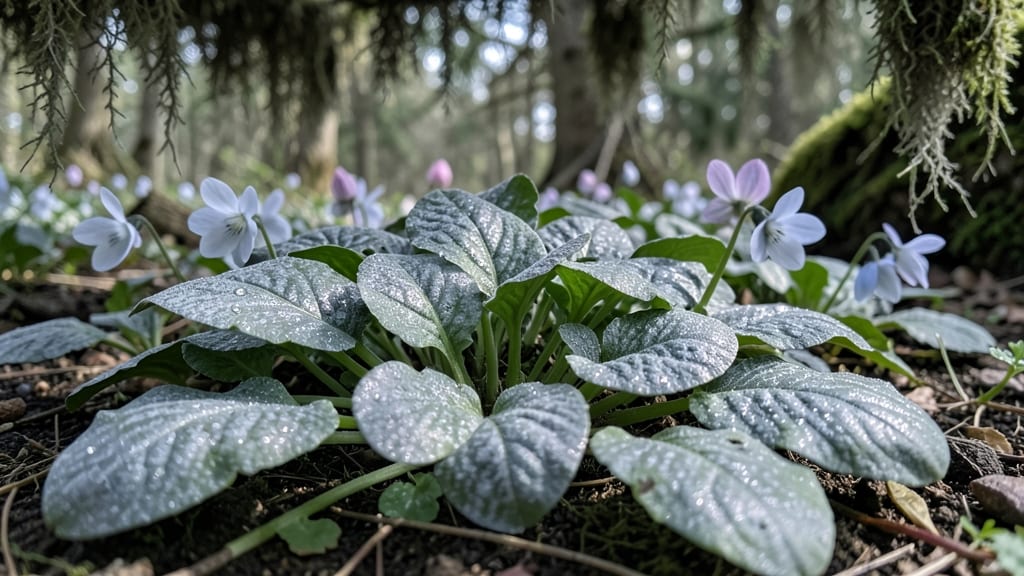
If your garden craves textural interest beyond just flowers, lungwort (Pulmonaria) delivers with its silver-spotted foliage that shimmers like frost-kissed leaves. This underrated perennial isn’t just about pretty blooms—its moisture-loving yet adaptable nature makes it a secret weapon for shady spots where other plants struggle.
Plant lungwort in partial to full shade with moist, well-drained soil (think woodland edges or under trees), and you’ll reward yourself with delicate blue or pink flowers that appear in early spring, followed by seed heads that persist into summer. The real magic? Its early pollinator appeal—bees and butterflies flock to its nectar when few other blooms are available, making it a low-maintenance hero for eco-friendly gardens.
Perfect for shade gardeners who want year-round interest, lungwort’s textured leaves provide winter intrigue even when not in bloom. Add it to borders or woodland gardens for a quietly stunning focal point that thrives where others fade. 🌿
Violets: Tiny Wildflowers with Edible Petals

March’s quiet gardens get a double surprise with violets—tiny blooms that spread like ground cover while offering edible petals for culinary adventures. Unlike showy spring stars, violets thrive in overlooked spots, from shady borders to sunny lawns, where they create a carpet of color without demanding attention.
These hardy perennials bloom from early spring through summer, producing delicate purple, white, or yellow flowers that bees adore. You can tuck them into containers, borders, or even between stepping stones—they self-seed easily, filling gaps naturally. For a bonus, harvest petals for herbal teas or salads (just avoid the bitter roots).
Perfect for beginner gardeners or pollinator enthusiasts, violets turn forgotten corners into vibrant ecosystems with minimal effort. 🌿