
Blooming
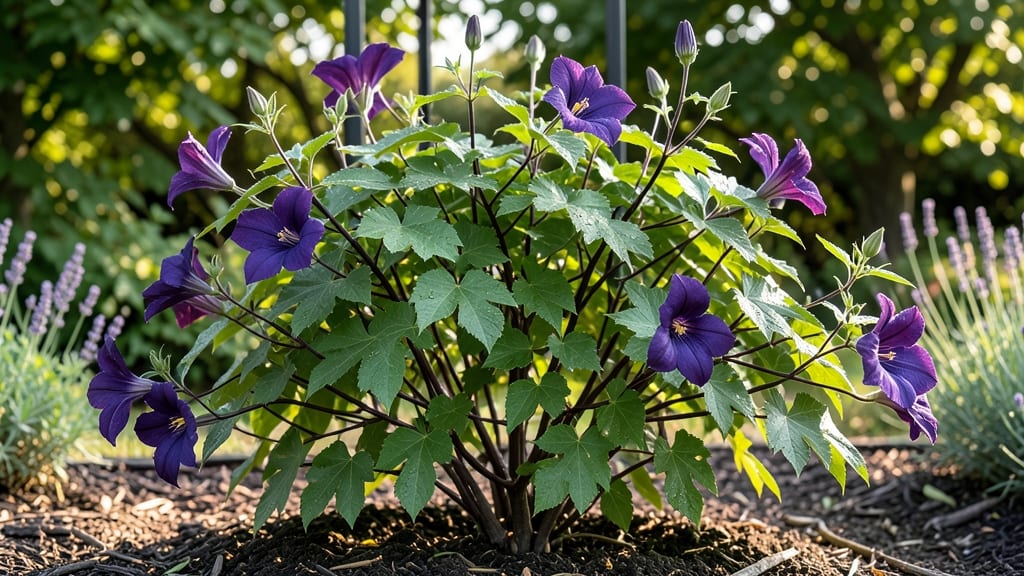
Summer vines that bloom all summer transform any space into a living canvas of color. 🌿 I’ve tested a dozen varieties, and these five—clematis, morning glories, passionflowers, sweet peas, and honeysuckle—deliver nonstop blooms with minimal effort once established.
The secret lies in their fast growth and adaptability to different light conditions, from full sun to partial shade.
These vines thrive with basic care: well-draining soil, consistent moisture, and occasional pruning to encourage new growth. Morning glories and sweet peas are the easiest starters, while clematis and passionflowers reward patience with dramatic, long-lasting flowers.
Pair them with complementary plants like ferns or impatiens for a lush, layered look that keeps color going until frost.
Imagine your trellis bursting with purple clematis in June, followed by fiery red passionflowers in July, and golden honeysuckle in August. The blooms attract pollinators all season, and the foliage stays vibrant even when flowers fade.
With the right support structure, these vines can climb 10–20 feet, turning walls, fences, or arbors into vertical gardens that never quit.
For best results, plant in early spring or fall, and fertilize lightly every 4–6 weeks. Deadhead spent blooms to extend the season, and watch as your garden becomes a summer-long spectacle. Whether you’re a beginner or a seasoned gardener, these vines make adding drama to your space effortless—and beautiful.
📚 In This Guide
- What you need
- Instructions
- Tips and common mistakes
- Wrapping up and next steps
What you need
- ● Vine plants: Choose from clematis, morning glory, passionflower, or star jasmine (3–5 plants per section for full coverage). Opt for self-cleaning varieties (e.g., Clematis ‘Jackmanii’ or Ipomoea ‘Heavenly Blue’) to reduce deadheading.
- ● Containers or garden beds: Containers: 5–10 gallon pots with drainage holes (1–2 per vine). Use fabric grow bags for root-bound varieties.
- ● Garden beds: Well-draining soil with organic matter (compost or aged manure). Amend clay soil with perlite or sand (20% mix).
- ● Potting mix: Moisture-retentive blend (e.g., 50% peat/coir + 30% compost + 20% perlite). Avoid heavy garden soil.
- ● Support structures: Trellises: 6–8 ft tall, galvanized metal or wooden (e.g., obelisks, A-frames, or lattice panels).
- ● Arbors or pergolas: For sprawling vines like passionflower (minimum 10 ft span).
- ● Twine or soft ties: Jute or Velcro plant ties (avoid wire—it can damage stems!).
- ● Fertilizer: Slow-release granular: 10-10-10 or 5-10-5 (apply at planting, 2 tbsp per plant).
- ● Liquid feed: Balanced bloom booster (e.g., fish emulsion or seaweed extract; use every 4–6 weeks).
- ● Mulch: 2–3 inches of shredded bark, straw, or pine needles to retain moisture and suppress weeds.
- ● Watering can or hose: With a gentle spray nozzle (vines hate soggy roots!).
- ● Pruning shears: Bypass pruners (sharp and clean to avoid disease).
- ● Slow-release watering spikes: For containers (reduces daily watering by 30–50%).
- ● Epsom salt: 1 tbsp per gallon of water (monthly spray for clematis to boost blooms).
- ● Decorative accents: Solar-powered garden lights or colorful pots to enhance your vine display.
- ● Soil pH test kit: Aim for 6.0–7.0 (most vines prefer slightly acidic to neutral soil).
- ● Compost tea: Weekly foliar spray for extra nutrients (homemade or store-bought).
Step-by-step guide to selecting and planting vines for season-long blooms
Here’s how to transform any fence, trellis, or arbour into a vibrant, low-maintenance floral display.
🌿 Step 1: Choose the Right Vines for Your Climate
Start by selecting vines that thrive in your USDA hardiness zone and match your sun exposure. My top picks for nonstop summer blooms include clematis (for shade to partial sun), morning glory (fast-growing annuals), and honeysuckle (sun-loving perennials). Each offers a different bloom time—clematis starts early, morning glory peaks mid-summer, and honeysuckle extends color into fall.
Check the mature height of each vine—morning glory can climb 10-15 feet in one season, while honeysuckle stays more compact at 6-10 feet. For small spaces, star jasmine (Trachelospermum jasminoides) is a fragrant, evergreen option that blooms intermittently but thrives in containers. Plant labels will list sun needs—morning glory demands full sun, while clematis tolerates partial shade but needs 6+ hours of indirect light.
🪴 Step 2: Prepare the Planting Site for Strong Growth
Vines need well-draining soil and support from day one. Before planting, amend the soil with 2-3 inches of compost to improve fertility, especially for heavy feeders like clematis. Dig a hole twice as wide as the root ball but only as deep—planting too deep suffocates roots. For morning glory, direct-sow seeds ½ inch deep in spring after the last frost when soil reaches 60°F.
Install a trellis, arbor, or sturdy fence before planting—vines hate being retrofitted later. Use metal or wooden supports for clematis (they’re heavy when blooming) and flexible twine or netting for annuals like morning glory. Water deeply after planting to settle roots, then mulch with 2-3 inches of shredded bark to retain moisture and suppress weeds. Avoid mulching too close to the stem—keep it 2 inches away to prevent rot.
☀️ Step 3: Train and Prune for Continuous Blooms
Vines need gentle guidance to climb efficiently. For morning glory, wrap stems loosely around the trellis as they grow—twist them clockwise to encourage upward growth. Clematis vines should be tied with soft fabric ties every 6-8 inches to prevent wind damage. Prune morning glory aggressively after the first frost (it’s an annual), but clematis and honeysuckle benefit from spring pruning—cut back dead or crossing branches in early spring before new growth starts.
Here’s the key to nonstop blooms: Deadhead spent flowers regularly on clematis and honeysuckle (remove faded blooms by pinching them off at the stem base). This redirects energy to new growth. For morning glory, skip deadheading—it blooms in waves, and removing flowers shortens the season. Fertilize once in early summer with a balanced 10-10-10 mix to encourage lush foliage and abundant blooms.
💧 Step 4: Water and Maintain for Longevity
Established vines are drought-tolerant, but newly planted ones need consistent moisture. Water deeply 2-3 times per week until roots establish (usually 4-6 weeks). You’ll know they’re settled when leaves stay deep green and stems feel firm to the touch. After that, water only when the top 2 inches of soil feel dry—overwatering causes root rot, especially in heavy clay soils.
Watch for pests like aphids (common on clematis) or powdery mildew (a risk for honeysuckle in humid climates). Spray affected areas with neem oil or soapy water at the first sign of trouble. In fall, cut back annuals like morning glory completely, but leave perennials (clematis, honeysuckle) until spring—their woody stems insulate roots against winter cold.
⏰ Step 5: Plan for Year-Round Interest
Extend the season by choosing vines with foliage or winter interest. Star jasmine stays evergreen, while honeysuckle holds its seed pods through winter. For textural contrast, pair clematis with ornamental grasses or ivy—the combination adds depth to your vertical garden. Rotate annuals like morning glory yearly to prevent soil depletion, but perennials will reward you with decades of blooms if sited correctly.
Here’s the thing—vines multiply fast. Divide clematis every 3-4 years in early spring to keep plants vigorous. For morning glory, save seeds from your best blooms to grow next year’s batch. With this approach, your trellis won’t just bloom—it’ll become the star of the garden, season after season.
Tips & tricks for perfect season-long vine blooms
Transforming your outdoor space into a floral haven takes thoughtful planning—here's how to maximize your vine's potential without the guesswork.
Climate and Sunlight Pairing: Morning glory thrives in full sun but wilts in afternoon shade, while clematis and honeysuckle tolerate partial shade better. I always check my local hardiness zone first—clematis in Zone 4 needs winter protection, while star jasmine in Zone 8 stays evergreen. For maximum impact, position your trellis where morning glory gets morning sun and clematis gets afternoon shade if needed. The key is matching each vine's specific light requirements to avoid leggy growth or sparse blooms.
Support System Strategy: Install your trellis or arbor before planting—this is non-negotiable. For clematis, use heavy-duty metal supports since they can reach 10-15 feet and become top-heavy when blooming. I've learned the hard way that flexible twine works beautifully for morning glory but needs replacing yearly as it degrades. Pro tip: Add horizontal crossbars every 2-3 feet to create more climbing surface and prevent vines from tangling at the top.
Pruning Precision: The difference between sporadic blooms and nonstop color comes down to pruning timing. For clematis and honeysuckle, I prune in early spring before new growth starts—never in fall. Cut back dead stems to the first set of healthy buds, and remove any crossing branches that create air pockets. Morning glory doesn't need deadheading, but for clematis, I pinch off spent blooms every 3-4 days during peak season to encourage continuous flowering. This redirection of energy is what keeps them blooming until frost.
Soil and Water Balance: The 60°F soil temperature threshold for morning glory germination is critical—waiting for this warmth ensures strong starts. For all vines, I always mix in 2-3 inches of compost before planting, especially for heavy feeders like clematis. Watering deeply 2-3 times weekly for the first 4-6 weeks establishes roots, but after that, let the top 2 inches dry between waterings. Overwatering is the #1 reason vines develop root rot, particularly in clay soils. A moisture meter becomes your best friend after establishment.
Pro Tips for Vines That Bloom All Summer
- Transforming your outdoor space into a floral haven takes thoughtful planning—here's how to maximize your vine's potential without the guesswork.
- Climate and Sunlight Pairing: Morning glory thrives in full sun but wilts in afternoon shade, while clematis and honeysuckle tolerate partial shade better.
- Support System Strategy: Install your trellis or arbor before planting—this is non-negotiable.
Frequently asked questions
Got questions about keeping your garden in bloom all summer long? You’re not alone! Here are some of the most common queries about vines that bloom all summer—plus straightforward answers to help you succeed.
Which vines are easiest to grow for continuous blooms?
Look for hardy annuals like morning glories or black-eyed Susans (when trained as vines), plus perennial climbers such as clematis or honeysuckle. These thrive with minimal fuss and reward you with nonstop color. Pro tip: Prioritize vines labeled "self-cleaning" or "repeat bloomers" for the least deadheading!
How long does it take for these vines to start flowering?
Most annual vines (like morning glories) bloom within 6–8 weeks of planting, while perennial vines (such as clematis) may take 1–2 seasons to establish roots and flower reliably. Patience pays off—especially with perennials, which often reward you with bigger, bolder blooms each year!
Do I need to fertilize these vines for nonstop blooms?
Yes! Use a balanced, slow-release fertilizer (like 10-10-10) at planting, then switch to a high-phosphorus formula (e.g., 5-10-5) mid-season to encourage blooms. Over-fertilizing with nitrogen (like lawn food) can lead to lush foliage but fewer flowers. Water deeply 1–2 times per week during dry spells to keep roots happy.
What pests or diseases should I watch for?
Common culprits include aphids, spider mites, and powdery mildew (especially in humid climates). Quick fixes:
- Pests: Spray with neem oil or introduce ladybugs.
- Fungal issues: Improve airflow by pruning crowded vines and water at the base (not overhead).
Can I grow these in containers or small spaces?
Compact vines like jasmine or cobaea thrive in 5-gallon containers with trellises. For heavier climbers (e.g., wisteria), use large pots with drainage and stake them for support. Just ensure they get 6+ hours of sun and regular watering—containers dry out faster than garden beds.
Still stumped? Drop your vine woes in the comments—we’re happy to help!
Wrapping up and next steps
Transforming your garden into a vibrant, low-maintenance paradise is easier than ever with vines that bloom all summer! These hardy plants deliver nonstop color while thriving in diverse conditions—whether you’re a seasoned gardener or just starting out. 🌿✨
Ready to dive in? Start by selecting the perfect vine for your space, then gather your supplies and follow the simple steps to plant and maintain. Your summer oasis awaits—just a few clicks (or shovels!) away.