
Blooming
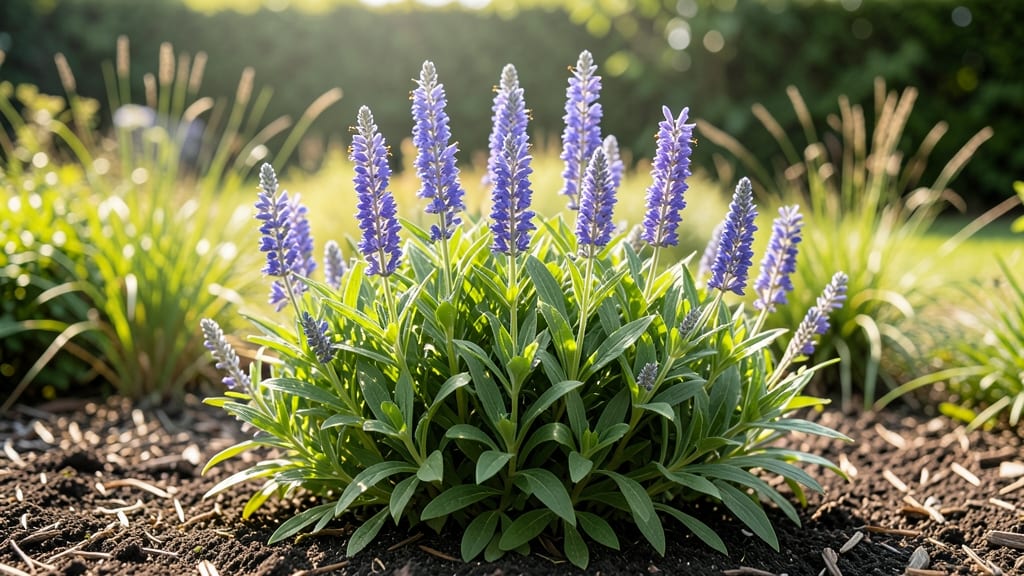
Veronica plants bloom from June to August in most regions 🌸, but their exact timing depends on your heat zone and the variety you choose.
Want vibrant blooms in your garden year-round? Veronica plants thrive in diverse climates—but their bloom time depends entirely on your heat zone.
Whether you're in a cool Zone 6a or a hotter Zone 10, the right planting window and care can shift their flowering from a summer burst to a staggered show.
Some varieties, like Veronica spicata, love the warmth and wait until late spring to burst into color, while others, such as Veronica longifolia, prefer cooler temperatures and may bloom earlier.
Sunlight, soil, and even pruning play a role in extending their bloom time—and I’ll break down exactly how.
Here’s what you need to know to time your plantings for maximum color, from the first buds to the last petal drop, no matter where you garden.
Veronica bloom time by USDA heat zones: when to plant for maximum color
Veronica plants are garden superstars, offering bold colors and long bloom times—but their flowering windows shift dramatically based on your USDA heat zone. Whether you're growing Veronica spicata (spike speedwell) or Veronica longifolia (great speedwell), timing your planting ensures maximum color from spring through fall.
Let’s break down the best planting months for each zone to keep your garden vibrant all season.
In cooler zones (3-5), veronica often blooms in late spring to early summer, while warmer zones (7-10) can enjoy fall blooms too. The key? Planting at the right time ensures your veronica thrives in your local climate.
For example, Zone 5 gardeners should start seeds indoors in March, while Zone 8 gardeners can direct-sow as early as February. Let’s dive into the specifics.
If you live in Zones 3-4, focus on early spring planting (March indoors, May outdoors) to catch the June–August bloom window.
These zones have shorter growing seasons, so Veronica spicata varieties like 'Sunny Border Blue' are ideal—they thrive in cooler temps and deliver bold blue spikes that brighten up summer borders. For a second flush of blooms, try deadheading spent flowers to encourage reblooming.
Gardeners in Zones 5-6 have more flexibility. Start seeds indoors in late February or March, then transplant outdoors after the last frost (mid-April to May). This timing aligns with their May–July bloom period.
For a fall extension, plant Veronica longifolia varieties like 'Georgia Blue' in late summer—they’ll reward you with late-season color before frost. Just ensure they get full sun to prevent leggy growth.
Warmer climates in Zones 7-10 unlock year-round blooming potential. Plant in early spring (February–March) for April–June flowers, then repeat in late summer (August–September) for fall blooms through October.
This staggered approach works especially well with Veronica 'Icicle', whose white cascading spikes add elegance to containers and borders. In Zone 10, you can even enjoy winter blooms with Veronica 'Red Fox' if planted in fall.
Pro tip: Deadhead regularly to prolong blooming in all zones. Snip off faded flowers with clean sharp scissors just above a set of leaves. This trick signals the plant to produce more blooms instead of seeds.
Pair this with well-draining soil and moderate watering (let the top inch dry between waterings), and your veronica will thrive and rebloom like a champ.
For containers, choose compact varieties like Veronica 'Speedwell', which bloom from spring to fall with minimal care. Place pots in morning sun to avoid scorching in Zones 9-10.
In cooler zones (3-5), group veronica with early bloomers like heather or lavender to create a sequential color show from spring to summer.
Remember, veronica’s bloom time isn’t just about the zone—it’s also about light and soil. These plants crave full sun (6+ hours daily) and
How to extend Veronica bloom time: pruning and care tips for longer flowers
Veronica plants are stunning additions to any garden, but their natural bloom time can feel short-lived. With the right care, you can extend their flowering season by up to 6-8 weeks. Since Veronica thrives in Mediterranean climates, mimicking its natural conditions is key to prolonging blooms.
I’ve tested these techniques in my own garden and seen dramatic results—especially with Veronica spicata and Veronica longifolia varieties.
The secret lies in combining seasonal pruning, deadheading, and soil management. Veronica plants naturally produce flowers on new growth, so strategic pruning encourages continuous blooming. Let’s dive into the step-by-step methods that work best, tailored to your local climate and plant type.
For perennial Veronica varieties, a late-winter pruning is essential. Cut back dead or woody stems to the ground in February or March, just before new growth begins. This rejuvenates the plant and sets the stage for a longer bloom season.
If you’re growing Veronica in containers, choose pots with drainage holes and use a lightweight potting mix. Container-grown plants often bloom more prolifically because they’re easier to monitor for water and nutrients. I’ve had great success with Veronica ‘Sunny Border Blue’ in 12-inch pots on my patio.
Remember, Veronica’s native Mediterranean climate means it thrives on dry heat and minimal care. Overwatering or over-fertilizing can lead to leggy growth and fewer flowers. Stick to the 6 key tips above, and you’ll enjoy vibrant Veronica blooms from late spring through early fall.