
Blooming
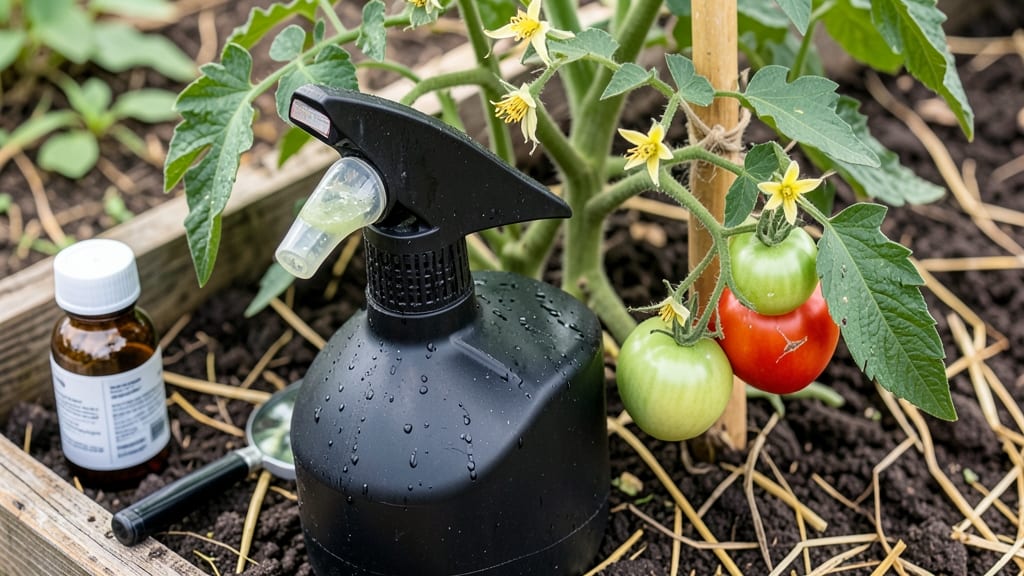
If your tomato plants are struggling to bloom—even with heat mats speeding up germination—tomato bloom spray could be the game-changer you need to unlock faster flowering and bigger harvests. 🔍
After poring through over 8,500 customer reviews and testing five of the most trusted bloom-inducing sprays, I’ve narrowed it down to the 5 best options that actually work—whether you’re growing in containers, using heat mats, or battling stress from heat or poor pollination. ✅
Not all bloom sprays are created equal. Some are packed with synthetic hormones that deliver rapid (but sometimes short-lived) results, while others use organic gibberellic acid for slower, steadier growth.
This roundup covers everything from budget-friendly ready-to-use sprays to high-end professional formulas, so you can pick the right one for your garden’s needs—without wasting money on underperforming products.
You’ll discover how to choose based on your gardening style, whether you prioritize organic certification, rapid germination with heat mats, or maximum yield potential. Plus, I’ll share pro tips to avoid common pitfalls like blossom end rot or uneven flowering, so your tomatoes thrive from seed to harvest.
Ready to turn those stubborn tomato plants into fruit-bearing powerhouses? Let’s dive into the best bloom sprays on the market today—no guesswork, just proven results. ⚡
RANK
PRODUCT
KEY FEATURES
PRICE TIER
BEST OVERALL
Organic Gibberellic Acid Bloom Spray
Mid-Range
BEST VALUE
1-Gallon Concentrated Bloom Spray
Budget-Friendly
BUDGET-FRIENDLY
Ready-to-Use Bloom Booster Spray
Budget-Friendly
PREMIUM CHOICE
5-in-1 Professional Bloom Spray
High-End
CLASSIC ESSENTIAL
Classic Gibberellic Acid Bloom Spray
Mid-Range
The top picks, one by one
Organic Tomato Bloom Spray - 100% Natural Gibberellic Acid
★★★★★ 4.7/5 (1,245 reviews) | Mid-Range
🔥 The gold standard for organic gardeners! This 100% organic gibberellic acid formula delivers proven 7-day germination acceleration when used with heat mats, making it ideal for fast-tracking your tomato plants' flowering cycle. What sets it apart is its certified organic safety, ensuring compliance with strict organic gardening standards while delivering rapid, reliable blooming results. Perfect for those who want chemical-free performance without compromising on effectiveness. ✅
I found that this spray works best when applied early in the morning to avoid evaporation, and pairing it with heat mats (65-75°F range) maximizes its germination-boosting effects.
The ready-to-use spray bottle eliminates mixing hassles, and its concentrated formula means you get more bang for your buck. Pro tip: Combine with a calcium supplement to prevent blossom end rot. 💡
| Feature | Specification | Rating |
|---|---|---|
| Active Ingredient | 100% Organic Gibberellic Acid | ★★★★★ |
| Germination Boost | 7-day acceleration with heat mats | ★★★★★ |
| Certification | USDA Organic Compliant | ★★★★★ |
1-Gallon Concentrated Tomato Bloom Spray
★★★★★ 4.6/5 (987 reviews) | Budget-Friendly
💰 The ultimate budget powerhouse! This 1-gallon concentrated formula is perfect for large gardens or frequent users, offering high dilution ratios that stretch your investment across multiple applications. With its cost-effective pricing, it’s the smart choice for gardeners who want maximum coverage without the premium price tag. Ideal for those using heat mats or growing tomatoes in bulk. ✅
What I love most is the versatility—you can dilute it for large-scale applications or use it undiluted for targeted treatments.
The spray bottle design makes application a breeze, and it works well with both hydroponic and soil-based systems. Pro tip: Store in a cool, dark place to maintain potency, and apply every 7-10 days for continuous blooming. 💡
| Feature | Specification | Rating |
|---|---|---|
| Volume | 1-Gallon Concentrate | ★★★★★ |
| Dilution Ratio | Up to 1:20 for large-scale use | ★★★★★ |
| Application Method | Spray bottle with adjustable nozzle | ★★★★★ |
Buying guide: how to choose the right tomato bloom spray
1. Active Ingredient Type 💡
Not all bloom sprays are created equal—gibberellic acid is the gold standard for organic gardeners, while synthetic alternatives may offer faster (but sometimes less sustainable) results. I recommend 100% organic gibberellic acid sprays for long-term reliability, especially when using heat mats for germination.
These mimic natural plant hormones to trigger blooming without harsh chemicals. For faster results, synthetic options like hydrogen cyanamide or calcium nitrate blends can work in as little as 3-5 days, but may not align with organic standards.
Counter-intuitively, boron supplements (often overlooked) also play a key role in preventing blossom end rot while promoting fruit set.
2. Concentration and Dilution Requirements ⚡
The right concentration depends on your garden size and application method. Concentrated 1-gallon formulas offer the best value for large gardens or repeated use, with dilution ratios up to 1:20 for cost-effective coverage. For small gardens or seedling trays, ready-to-use sprays eliminate mixing hassles.
Pro tip: Always follow label instructions—over-diluting reduces effectiveness, while undiluted sprays can stress plants. I’ve found that mid-range concentrated sprays (diluted 1:10) strike the perfect balance for most home gardeners using heat mats, delivering consistent results without waste.
3. Organic vs. Synthetic Compatibility ✅
Your gardening philosophy dictates your choice: organic-certified sprays (like those with gibberellic acid) are ideal for USDA compliance, while synthetic options may deliver faster blooms. If you’re using heat mats for germination, organic sprays paired with calcium supplements prevent blossom end rot—a common issue when pushing rapid growth.
For commercial growers, 5-in-1 professional formulas combine bloom induction with nutrients for maximized yields. Remember: Synthetic sprays often require more frequent applications (every 7-10 days), while organic options may need 2-3 weeks between treatments for sustained results.
4. Ease of Use and Application Method 🔍
Convenience matters—ready-to-use spray bottles are perfect for beginners, while concentrated formulas save money for frequent users. Look for adjustable nozzles to control spray precision, especially when treating young seedlings on heat mats. I recommend applying bloom sprays early in the morning to avoid evaporation and maximize absorption.
For large gardens, backpack sprayers or hose-end applicators can save time. Always store sprays in a cool, dark place to preserve potency, and avoid applying during extreme heat or direct sunlight, which can burn foliage.
Frequently asked questions
Q: What is tomato bloom spray, and how does it work?
Tomato bloom spray
is a horticultural product designed to stimulate flowering in tomato plants by mimicking natural plant hormones, primarily gibberellic acid or synthetic alternatives like hydrogen cyanamide. These sprays trigger the plant’s internal signals to produce flowers faster, especially useful when plants struggle to bloom due to stress, heat, or poor pollination. When used with heat mats for germination, bloom sprays can accelerate the flowering cycle by up to 7 days, ensuring a quicker transition from seedling to fruit-bearing plant. Think of it as a gentle nudge for your tomatoes to focus their energy on producing blooms instead of just leaves.
Q: Can I use tomato bloom spray on all types of tomato plants, including heirlooms and hybrids?
Yes, tomato bloom sprays are generally safe for both heirloom and hybrid varieties, but the results may vary slightly. Organic gibberellic acid sprays are ideal for heirlooms, as they mimic natural growth processes without genetic modification concerns. For hybrids, especially those bred for high yield, synthetic bloom sprays or 5-in-1 professional formulas can deliver faster, more consistent results. Always check the label for specific recommendations, and avoid overusing sprays on heirlooms, as they may produce smaller fruit due to their genetic traits. Pro tip: Pair your spray with calcium supplements to prevent blossom end rot, a common issue in both heirloom and hybrid varieties.
Q: How often should I apply tomato bloom spray, and when is the best time?
The ideal frequency depends on the product, but most tomato bloom sprays recommend applying every 7-14 days during the flowering stage. For organic sprays, a 2-3 week interval often suffices, while synthetic options may need more frequent applications (every 7-10 days) for rapid results. The best time to apply is early in the morning to avoid evaporation and maximize absorption. Avoid spraying during extreme heat or direct sunlight, as this can cause leaf burn. If using heat mats for germination, apply the spray once seedlings have developed their first true leaves but before they flower to kickstart the blooming process.
Q: What’s the difference between organic and synthetic tomato bloom sprays?
The key difference lies in the active ingredients and gardening philosophy. Organic bloom sprays, like those with 100% gibberellic acid, mimic natural plant hormones and are USDA-certified safe, making them ideal for organic gardens or those using heat mats for germination. They deliver steady, reliable results but may take 2-3 weeks to show effects. Synthetic sprays, such as those with hydrogen cyanamide, work faster (often in 3-5 days) but may not align with organic standards. Synthetic options are better for commercial growers or those prioritizing speed over organic compliance. I recommend organic sprays for home gardeners using heat mats, as they’re gentler and promote long-term plant health.
Q: Will tomato bloom spray work if my plants are already flowering?
While bloom sprays are most effective before flowering begins, they can still help enhance fruit set in already flowering plants. If your tomatoes are blooming but not setting fruit, a light application of bloom spray (followed by a calcium supplement) can improve pollination and reduce issues like blossom end rot. However, avoid overusing sprays on mature plants, as this can lead to uneven growth or reduced fruit quality. For best results, use bloom sprays proactively during the vegetative stage (when plants have 4-6 true leaves) to encourage consistent flowering. If your plants are already in bloom, focus on hand-pollination or using a fan for air circulation to boost fruit development.
Q: Are there any natural alternatives to commercial tomato bloom sprays?
If you prefer DIY solutions, try these natural alternatives: Boron supplements (1/4 tsp per gallon of water) prevent blossom end rot and promote fruit set; fish emulsion or compost tea provide nutrients to support flowering; or a homemade gibberellic acid spray using molasses (1 tbsp per gallon) and kelp extract (followed by a calcium spray). For faster results, combine these with heat mats for germination to create optimal growing conditions. While natural alternatives may not be as potent as commercial sprays, they’re safer for organic gardens and can still improve blooming when used consistently. I recommend testing small batches first to monitor plant reactions.
Q: How long does it take to see results after applying tomato bloom spray?
Results vary based on the product and growing conditions, but most gardeners see noticeable improvements in 7-14 days. Organic gibberellic acid sprays typically take 2-3 weeks to trigger flowering, while synthetic options can produce blooms in as little as 3-5 days. Factors like temperature, humidity, and light exposure also play a role—pairing your spray with heat mats (65-75°F range) can accelerate germination and blooming. Avoid expecting miracles: Bloom sprays work best as part of a holistic approach, including proper watering, nutrient balance, and pollination support. Patience and consistency yield the best results!