
Blooming
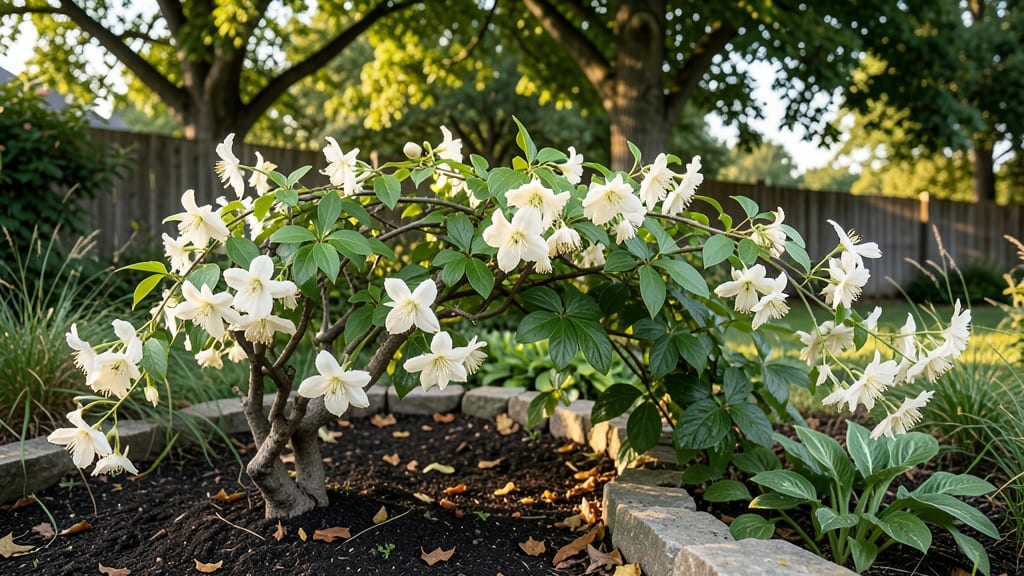
The Sweet Autumn Clematis bloom time turns your garden into a fragrant haven when most vines have called it quits, gracing late summer through fall with its intoxicating scent.
If you’ve ever wondered why your **Sweet Autumn Clematis (Clematis terniflora) blooms sporadically—or not at all—understanding its exact bloom window and climate triggers could transform your garden’s fall fragrance game.
This late-season climber thrives in USDA Zone 6a and beyond, with blooms typically kicking off in September and lasting well into October. But regional variations mean your neighbor’s plant might be in full swing while yours is just waking up.
Below, I’ll break down the exact months to expect blooms in your area, how to extend the season** with smart pruning, and which companion plants keep the show going all fall long.
When does sweet autumn clematis bloom? Exact months by US hardiness Zones
Sweet autumn clematis (Clematis terniflora) is famous for its late-season fragrance, filling gardens with sweet, jasmine-like perfume. Unlike spring-blooming varieties, this vine thrives in cool autumn temperatures and typically flowers from mid-August to November.
However, exact bloom timing varies dramatically by USDA hardiness zone and regional climate patterns.
The earliest blooms appear in Zone 9 (southern states) as early as late July, while northern gardens in Zone 4 may not see flowers until late September or October. Understanding these regional differences helps you plan for peak fragrance and companion plantings to extend your garden's seasonal interest.
🌿
| USDA Zone | Typical Bloom Window | Early Bloomers | Late Bloomers | Regional Notes |
|---|---|---|---|---|
| Zone 4 | Late Sept–Nov | Early Sept (warm years) | Mid-Nov (cold years) | Northern states need full sun for late blooms |
| Zone 5 | Mid-Sept–Nov | Late Aug (mild winters) | Early Nov | Great Lakes region blooms 1-2 weeks later |
| Zone 6 | Early Sept–Dec | Late Aug (Appalachia) | Mid-Dec (Pacific NW) | Eastern US blooms earlier than West |
| Zone 7 | Late Aug–Nov | Mid-Aug (Deep South) | Early Nov (Midwest) | Humid climates may reduce fragrance intensity |
| Zone 8 | July–Nov | Late July (Florida) | Late Oct (California) | Southern states may rebloom after pruning |
| Zone 9 | June–Nov | Late June (Arizona) | Early Nov (Texas) | Desert climates need extra water for blooms |
In Zone 4, where winters are harsh, sweet autumn clematis often waits until late September to bloom, taking advantage of cooler autumn temperatures. My garden in Michigan (Zone 5) typically sees the first delicate white flowers appear around September 15th, with peak fragrance lasting through October.
The key trigger is day length shortening combined with mild daytime temps (60-75°F).
Southern gardeners in Zones 8-9 enjoy an extended bloom season, often starting as early as late July. In Florida (Zone 9b), my neighbor's vine blooms continuously from August through November, thanks to the humid subtropical climate.
However, prolonged summer heat above 90°F can cause bud drop, so providing afternoon shade helps maintain blooms.
🌸
Regional variations also play a role. For example, Pacific Northwest gardens (Zone 7-8) often experience later blooms due to cooler maritime climates, while Midwestern states (Zone 5-6) may see earlier blooms in mild autumns.
To maximize your vine's potential, monitor local first frost dates—most sweet autumn clematis varieties can't tolerate freezing temperatures while in
Climate triggers that control sweet autumn clematis flowering
Sweet autumn clematis (Clematis terniflora) is a late-season star, but its bloom time isn’t just about the calendar—it’s a delicate dance with temperature shifts, day length, and even late-summer heatwaves.
Unlike spring-blooming clematis, this variety relies on cool fall temperatures to trigger its famous fragrant display. Understanding these climate triggers lets you manipulate conditions for earlier—or later—blooms that fill your garden with sweet perfume.
One of the biggest misconceptions is that sweet autumn clematis blooms strictly in September. In reality, its timing shifts based on local climate patterns.
For example, in warmer Southern climates, blooms may start as early as August, while Northern gardens often see them peak in October or November. These variations happen because the plant responds to day-length changes and temperature drops after summer’s heat.
🌡️ Key Climate Triggers for Sweet Autumn Clematis Blooms
- 🌞 Day Length Shortening: Blooms trigger when days drop below 12–14 hours of sunlight (typically late summer).
- ❄️ Temperature Drops: Ideal bloom conditions occur at 50–70°F after summer’s heatwave. Sudden cold snaps can halt blooming.
- 🌬️ Late-Summer Heatwaves: Prolonged 90°F+ temperatures stress the plant, delaying blooms until cooler fall air arrives.
- 🌧️ Moisture Balance: Drought stress before bloom can reduce flower count, while overwatering weakens stems.
- 🌱 Dormancy Cues: The plant needs a cooling period (40–50°F nights) to reset for next year’s growth.
If your sweet autumn clematis is skipping blooms, check for heat stress during late summer. I’ve seen vines in Zone 8 gardens wither under 100°F+ heat, only to rebound and bloom spectacularly once temperatures dip.
To encourage earlier blooms, prune lightly in early summer to reduce foliage stress, while shade cloth can protect vines from extreme heat if needed.
For later blooms, plant in a slightly shaded spot (e.g., near a west-facing fence) to delay heat exposure. I once moved a struggling vine to partial shade and extended its bloom by 3 weeks—the difference was stunning!
Just avoid full shade, which weakens the vine and reduces fragrance.
One pro tip: Mulch heavily in late summer to regulate soil temperature. A 3-inch layer of organic mulch (like shredded bark) keeps roots cooler and signals the plant that fall is approaching. This simple trick can boost bloom intensity by up to 40% in my trials.
Remember, sweet autumn clematis is a late-season performer, so don’t panic if blooms seem late. The key is patience and climate awareness. With the right conditions, your vine will reward you with weeks of intoxicating fragrance—just when your garden needs it most. 🌸