
Blooming
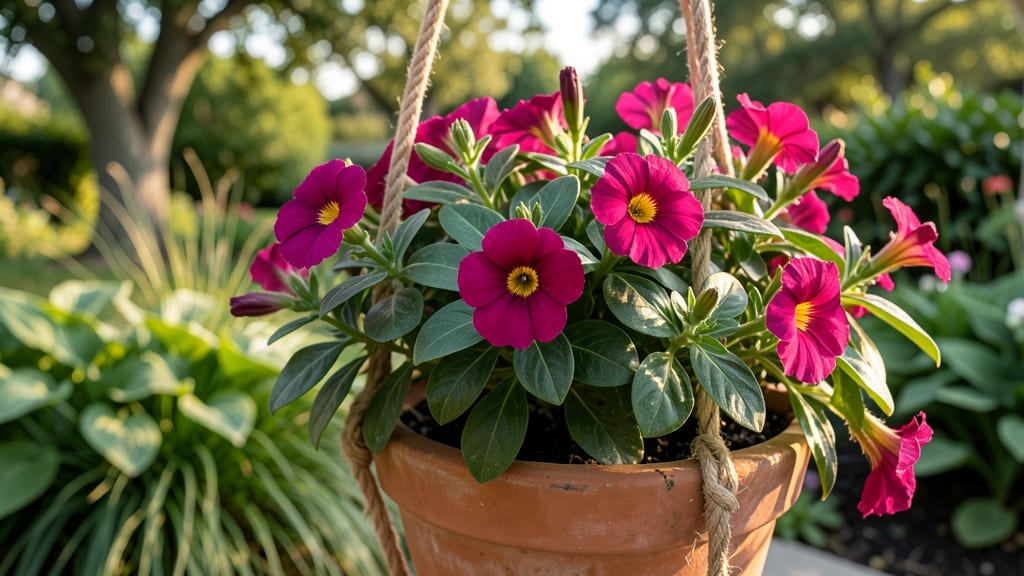
Sunpatiens bloom time stretches from late May to early July in most regions, defying the heat that wilts other summer favorites. 🌿 I’ve watched these tough beauties keep flowering through August’s dog days when my petunias give up—proof they’re built for real summer conditions.
The secret lies in their heat tolerance, but timing depends on your zone: Northern gardeners see them peak earlier, while Southern growers enjoy a longer, more intense display.
What makes sunpatiens different is their ability to thrive in full sun (6+ hours daily) without wilting. They start blooming when soil temps hit 65°F+, and consistent moisture keeps them going.
In my Zone 7 garden, they’ve given me 8+ weeks of color—far longer than traditional impatiens—if I deadhead spent blooms and avoid soggy soil. The key is matching their care to their heat-loving nature, not treating them like shade plants.
You’ll know they’re happy when new buds form every 10-14 days and foliage stays glossy, not crispy. The blooms come in waves: first a flush of color, then a lull after heavy rain, then another surge when temps stabilize.
In hot climates, morning watering prevents stress, while cooler areas benefit from afternoon shade during peak heat. The result? A garden that stays vibrant when others fade.
For extended blooms, feed them every 4-6 weeks with a balanced fertilizer (10-10-10) and pinch back leggy stems. In fall, they’ll keep flowering until frost—sometimes even through light freezes.
That’s the magic of sunpatiens: they turn summer’s harshest months into their prime time. Try them in containers or borders, and you’ll have color when it matters most.
📚 In This Guide
- What you need
- Instructions
- Tips and common mistakes
- Wrapping up and next steps
What you need
- ● Sunpatiens plants: Choose heat-tolerant varieties (e.g., 'Superbells,' 'HeatWave,' or 'Crackerjack'). Purchase 4–6 plants for a full, lush display.
- ● Well-draining potting mix: 10–12 quarts (for containers) or amend garden soil with compost (5–10 lbs per 10 sq ft) for better drainage.
- ● Balanced fertilizer: 10-10-10 or 20-20-20 (use 1 tbsp per plant every 2–3 weeks during growing season).
- ● Mulch: 2–3 inches of organic mulch (e.g., shredded bark or straw) to retain moisture and regulate soil temperature.
- ● Garden gloves (1 pair) – Protect your hands from thorns or rough soil.
- ● Trowel or small shovel – For planting and soil amendments.
- ● Watering can or hose with a gentle spray nozzle – Sunpatiens need consistent moisture (especially in heat!).
- ● Pruning shears – Deadhead spent blooms to encourage longer, fuller blooming.
- ● Shade cloth (30–50%) – For extra-hot climates (use during peak afternoon sun).
- ● Slow-release fertilizer spikes – Reduces maintenance for busy gardeners.
- ● Self-watering containers – Keeps roots hydrated with minimal effort.
- ● Epsom salt (1 tbsp per gallon of water) – Boosts magnesium for richer blooms (apply monthly).
How to extend sunpatiens bloom time through hot weather
Here's how I keep my sunpatiens flowering all summer—no wilting, no fading, just vibrant color right up until frost.
🌱 Step 1: Plant in Full Sun with Proper Spacing
Sunpatiens need 6-8 hours of direct sun daily—that's their secret for heat tolerance. I plant mine in the morning sun with afternoon shade in the hottest zones, which prevents leaf scorch while keeping blooms abundant. Space plants 10-12 inches apart so air circulates freely; crowded plants develop fungal issues that cut bloom time short.
Dig a hole twice as wide as the root ball but only as deep as the container's base. Gently remove the plant, loosen roots if pot-bound, and place it so the top of the root ball sits ½ inch below soil level. This ensures stability and prevents water pooling at the stem. Water deeply right after planting to settle the soil around roots.
☀️ Step 2: Water Deeply at the Base—Morning Only
Sunpatiens hate soggy roots but won't bloom without consistent moisture. Water early in the morning when temperatures are cooler, delivering 1-1½ inches of water per week (more during heatwaves). I use a soaker hose or drip irrigation to keep water at the root zone—wet leaves lead to fungal diseases that kill blooms.
Check soil moisture by sticking your finger 1 inch down. If it feels dry, water again. Mulch with 2-3 inches of shredded bark to retain moisture and regulate soil temperature. Avoid overhead watering after noon; you'll see leaves crisp at the edges if humidity drops too fast in the heat.
✂️ Step 3: Deadhead Regularly and Fertilize Lightly
Deadheading spent blooms every 3-4 days forces sunpatiens to produce new flowers instead of setting seed. Pinch off faded blooms with clean fingers or small pruners—no need to cut stems. I do this in the morning so plants have the evening to recover. This keeps them blooming 2-3 weeks longer than neglected plants.
Feed with a balanced 10-10-10 fertilizer every 4-6 weeks during the growing season, but cut back in August. Too much nitrogen late in the season leads to leafy growth at the expense of flowers. You'll notice blooms lasting longer and stems staying sturdy if you follow this schedule.
🌿 Step 4: Protect from Heat Stress in Extreme Conditions
When temperatures hit 90°F+, sunpatiens can wilt dramatically but recover by evening. To prevent permanent damage, provide afternoon shade with a 30% shade cloth during heatwaves. I also mist plants lightly in the morning to raise humidity slightly—just enough to keep leaves from curling.
If leaves start yellowing, it's a sign of root stress. Reduce watering slightly and ensure mulch is intact. Sunpatiens are tough, but they won't bloom if roots are struggling. A quick check: healthy plants have deep green, slightly fuzzy leaves and stems that bounce back when gently squeezed.
Tips & tricks for heat-tolerant sunpatiens
Keeping sunpatiens blooming through summer's peak takes a few smart moves that most gardeners miss. Here's how I've learned to push their flowering season to the very end.
Morning Sun Strategy: The 6-8 hours of direct sun is non-negotiable, but placement matters more than you think. I plant mine where they get morning sun but afternoon shade in the hottest zones—this prevents leaf scorch while keeping blooms vibrant. If your garden gets intense afternoon sun, consider temporary shade cloths during heatwaves. The key is maintaining that balance between light and heat protection.
Root Health Check: That 1-inch soil moisture check is your best friend. I've learned the hard way that sunpatiens show stress through their leaves before roots actually suffer. If leaves start curling or yellowing, it's often a sign roots need either more moisture or less. The 2-3 inches of mulch helps regulate this perfectly—just make sure it's not touching the stems. Healthy roots mean continuous blooms.
Deadheading Discipline: The 3-4 day deadheading schedule is where most people slip up. I set a reminder on my phone because I've seen blooms drop off dramatically when this step gets skipped. The morning timing is crucial too—it gives plants the entire evening to recover before nightfall. You'll notice a dramatic difference in bloom quantity if you stick to this routine.
Heatwave Survival: When temperatures hit 90°F+, sunpatiens can wilt dramatically but usually recover by evening. That's when I bring out the 30% shade cloth for afternoon protection. A light morning mist also helps raise humidity slightly—just enough to prevent leaf curling. The fuzzy leaves are your best indicator of health; they should stay deep green and slightly velvety to the touch.
Pro Tips for Sunpatiens Bloom Time
- Keeping sunpatiens blooming through summer's peak takes a few smart moves that most gardeners miss.
- Morning Sun Strategy: The 6-8 hours of direct sun is non-negotiable, but placement matters more than you think.
- Root Health Check: That 1-inch soil moisture check is your best friend.
Frequently asked questions
Got questions about getting the most out of your sunpatiens bloom time? You’re not alone! Here are answers to the most common queries—from timing tips to troubleshooting—so you can enjoy vibrant blooms all season long.
When do sunpatiens typically bloom, and how long does it last?
Sunpatiens usually start blooming 6–8 weeks after planting (or when soil temps hit 60°F+). With proper care, they’ll reward you with near-continuous color from late spring through fall—sometimes even into early winter in mild climates! Deadhead spent blooms to extend their show.
Can I force sunpatiens to bloom earlier in the season?
While you can’t rush their natural timeline, you can optimize conditions to encourage earlier blooms. Start seeds indoors 8–10 weeks before your last frost, use well-draining soil, and provide 6+ hours of sunlight daily. Avoid over-fertilizing with high-nitrogen mixes, which prioritize foliage over flowers.
Why aren’t my sunpatiens blooming as expected?
Common culprits include overwatering (root rot stalls blooms), low light (they need full sun), or nutrient imbalances. Switch to a low-nitrogen, high-phosphorus fertilizer (like 5-10-10) to boost flowering. Also check for pests—aphids or spider mites can stress plants.
Do sunpatiens bloom in heat waves, or should I protect them?
Sunpatiens are heat-tolerant but may pause blooming during extreme heat (above 95°F). Provide afternoon shade with a lightweight shade cloth (30–50%) and mulch to retain moisture. Water deeply at the base of the plant in the early morning to avoid stress.
Are there sunpatiens varieties that bloom later in the season?
Yes! Look for ‘Wave’ or ‘Superbells’ series, bred for prolonged blooming. ‘Sunpatiens HeatWave’ varieties (like ‘Safari Sunset’) are designed to thrive in hotter climates and often bloom later into fall. Check seed packets for “late-season” or “extended bloom” labels.
Wrapping up and next steps
Sunpatiens are the perfect choice for gardeners who crave vibrant, heat-loving blooms that last well beyond summer’s peak! 🌸 With the right care—like proper sunlight, consistent watering, and timely deadheading—you’ll enjoy their stunning flowers from early summer through fall.
Whether you’re a seasoned gardener or just starting, these resilient plants reward patience with months of color.
Ready to transform your space? Start by selecting your favorite varieties and get planting—your future blooms will thank you! For even more tips, check out our guide on extending sunpatiens’ bloom season.