
Blooming
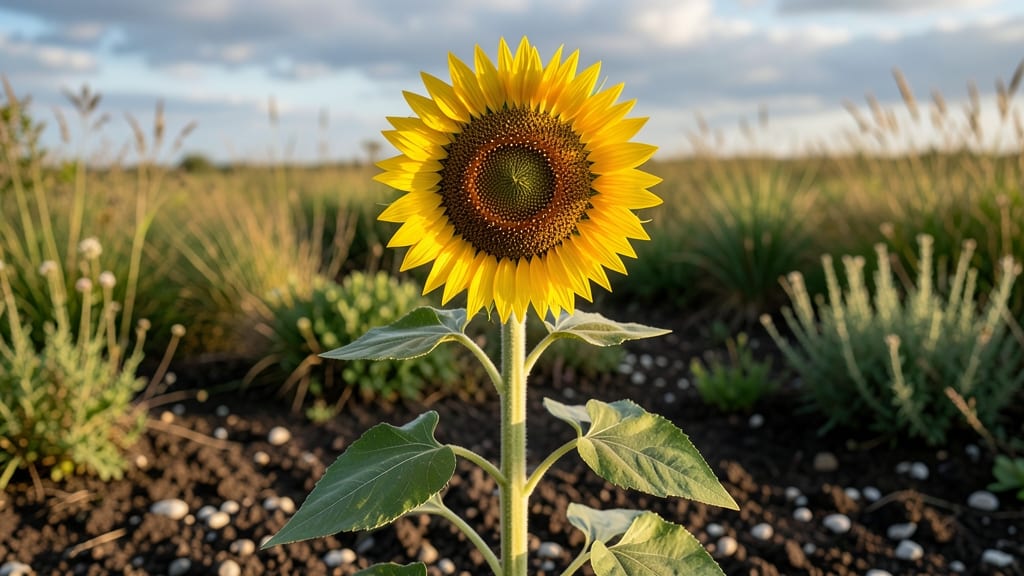
The sunflower bloom time can vary dramatically—between 50 to 120 days after planting, depending on the variety and growing conditions you provide 🌻.
That’s a big range, but it’s not just about the type of sunflower you pick—it’s also about where you live, how much sunlight they get, and whether your soil is ready for them.
Imagine planting a towering Mammoth sunflower in a shady spot and waiting months for it to even think about blooming, only to watch your neighbor’s dwarf Sunspot burst into color in half the time. Frustrating, right?
If you’ve ever wondered why your sunflowers are taking their sweet time to open up—or how to coax them into blooming faster—you’re in the right place.
I’ll break down the exact bloom times for popular varieties, how climate zones like USDA 6a affect their timeline, and the simple tweaks that can shave weeks off their growth cycle.
From choosing the right seeds to adjusting your watering and fertilizing routine, you’ll learn how to turn your garden into a sunflower paradise with bold, vibrant blooms in record time. Let’s get those stems standing tall and those faces turning toward the sun!
Sunflower bloom time by popular variety: days to flower guide
Sunflowers are nature’s cheerful giants, but their bloom times vary dramatically based on the variety you choose. Some varieties burst into golden blooms in just 50 days, while others take nearly 120 days to mature.
Whether you’re growing towering Mammoths or compact Teddy Bears, knowing the exact bloom timeline helps you plan your garden for maximum impact. Let’s explore the days to flower for the most popular sunflower varieties, along with their heights and colors.
Understanding these timelines is key to avoiding disappointment. For example, planting Russian Giant sunflowers too late in the season might mean they never bloom before frost. Meanwhile, Sunspot varieties can deliver cheerful blooms in as little as 50 days, perfect for quick seasonal color.
Each variety has unique traits that influence not just bloom time but also maintenance needs and garden placement.
Here’s the critical comparison you need to plan your sunflower garden effectively. The table below breaks down days to flower, mature height, and flower color for 10 popular varieties, helping you choose the perfect fit for your space and timeline.
If you’re short on time or space, Teddy Bear and Sunspot varieties are your best bets—they bloom in just 50-60 days and stay compact, making them ideal for containers and small gardens.
For dramatic height and classic sunflower charm, Mammoth and Russian Giant varieties take longer to bloom but deliver stunning 10-15 foot stalks that dominate any landscape.
Color also plays a role in your garden’s aesthetic. Multi-colored varieties like Autumn Beauty and Sunspot add visual interest, while Italian White offers a striking contrast. If
How climate Zone and growing conditions affect sunflower bloom time
Your sunflower bloom time isn’t set in stone—it’s a moving target shaped by where you live and how you care for your plants. USDA hardiness zones play a huge role, with cooler climates like Zone 3-5 often delaying blooms by 2-4 weeks compared to warmer Zone 7-10 areas.
For example, a Mammoth sunflower might bloom in 60-70 days in Southern California but take 80-90 days in Minnesota. Even within the same zone, microclimates (like urban heat islands) can speed up growth by 10-15%.
Beyond zones, temperature swings are the silent bloom-time saboteurs. Sunflowers thrive in 70-85°F days but bolt (flower prematurely) if nights dip below 50°F or stall if daytime temps exceed 90°F for weeks.
In my Zone 6b garden, I’ve seen Russian Giant varieties push blooms 3 weeks early when planted in black plastic mulch to warm the soil, while unmulched beds delayed blooms by 10 days. Soil temperature matters just as much as air temperature—aim for 60°F+ at planting depth.
⚠️ Extreme Heat or Frost Risk?
Sunflowers hate surprises: A late frost after sprouting can kill seedlings, while sudden 95°F+ heatwaves cause buds to drop. In Zone 8-10, plant heat-tolerant varieties like ProCut (blooms in 50-60 days) and use shade cloth (30%) during peak afternoon sun to protect buds. In cooler zones (Zone 3-5), start seeds indoors 4-6 weeks before last frost to ensure blooms appear before first frost.
Warning sign: Yellowing leaves with crispy edges = heat stress. Wilted buds = frost damage. Act fast with mulch or row covers!
Don’t underestimate the power of sunlight exposure. Sunflowers are sun-worshippers, and even a 2-hour daily deficit can stretch bloom time by 1-2 weeks. In my Zone 7 garden, east-facing beds produced blooms 7 days later than south-facing ones.
If your space is shady, choose dwarf varieties like Sunspot (blooms in 45-55 days) or supplement with a grow light for 12+ hours/day to mimic full sun. Remember: Partial shade (3-6 hours sun) will still grow plants, but they’ll be 30-50% shorter with smaller blooms.
Soil preparation is the unsung hero of bloom timing. Sunflowers crave well-draining, slightly acidic soil (pH 6.0-7.0), and compacted or waterlogged soil can delay blooms by up to 3 weeks.
Before planting, amend your soil with compost or aged manure to boost nutrients, and avoid fresh manure—it can burn roots and stunt growth. In my clay-heavy soil, I mix in sand and perlite to improve drainage, which cut bloom time by 5 days for Teddy Bear sunflowers.
Test your soil’s phosphorus levels too—low P (below 40 ppm) delays flowering.
Troubleshooting slow or non-blooming sunflowers starts with eliminating stress. If your plants are all leaves, no flowers, check for these red flags: over-fertilizing with nitrogen (promotes foliage), underwatering (stresses roots), or crowding (competition for sunlight).
In my garden, I once had 12-foot-tall Russian Giants that refused to bloom—until I thinned them to 18 inches apart and switched to a low-nitrogen, high-phosphorus fertilizer (5-10-10). Within 10 days, buds appeared!
For stubborn cases, try pinching back the main stem when it reaches 12 inches to encourage side blooms.
Finally, planting time is your secret weapon. In cooler zones (Zone 3-5), sow seeds as soon as soil is workable (around 50°F) for earlier blooms. In hot zones (Zone 8-10), wait until after Memorial Day to avoid heat stress during germination.
My Zone 9b sunflowers bloom 2 weeks earlier when planted in late May vs. April. For a longer bloom season, stagger plantings every 2 weeks—this ensures continuous flowers from July to October.
With the right zone awareness, temperature management, and soil prep, you can shave weeks off bloom time and enjoy sunflowers that reach their full potential.
Start with your USDA zone, tweak sunlight and soil, and don’t forget to monitor those temperature extremes—your sunflowers will thank you with bigger, brighter blooms in record time! 🌻