
Blooming
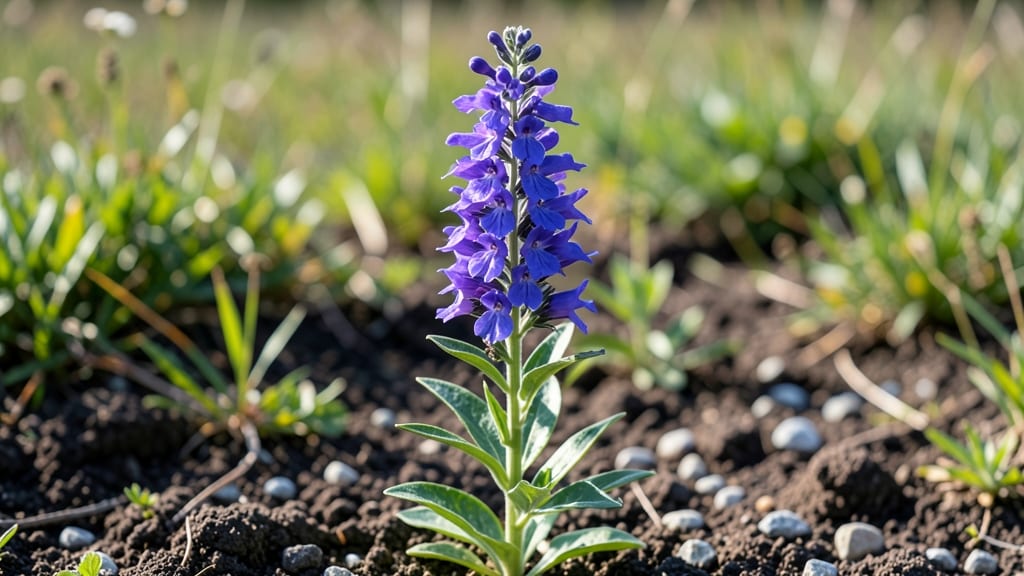
Speedwell blooms from May through September with vibrant purple flowers 🌸, but the exact timing depends on your variety and climate—miss the window, and you’ll watch those stunning blooms slip away.
If you’ve ever dreamed of a garden bursting with vibrant purple blooms from spring to fall, Speedwell plants are your secret weapon—but timing is everything. Knowing the exact months these low-maintenance perennials burst into color ensures you never miss their stunning floral displays.
In USDA Zone 6a, most Speedwell varieties start flowering in early May, with peak blooms stretching through July and August before tapering in September. However, cooler climates may delay the show, while warmer regions could see a second flush of flowers in late summer.
Below, I’ll break down the month-by-month bloom schedule, how to extend your Speedwell’s flowering season, and the simple care tricks that keep those purple showers coming all summer long.
Speedwell bloom time: month-by-month breakdown for peak purple flowers
Speedwell (Veronica spp.) is one of the most reliable spring-to-fall bloomers in the garden, with purple, blue, or white flowers that attract pollinators. But not all varieties bloom at the same time—some burst into color as early as late April, while others linger into October.
Understanding these month-by-month patterns helps you plan for continuous color and maximize your garden’s visual impact.
Your USDA zone plays a huge role in bloom timing. In cooler zones (3-5), Speedwell often starts blooming 2-4 weeks later than in warmer zones (7-9). For example, Veronica spicata (spiked Speedwell) may bloom in May-June in Zone 4 but as early as April in Zone 8.
Meanwhile, perennial varieties like Veronica officinalis (heal-all) often have a prolonged bloom season, stretching from May through September with proper care.
Here’s the month-by-month breakdown of when Speedwell typically blooms, along with regional adjustments and care tips to extend your flowering season.
In cooler climates (USDA Zones 3-5), Speedwell’s bloom season often starts later and ends earlier. For instance, Veronica spicata in Zone 4 might not hit peak bloom until late May, while the same variety in Zone 8 could be in full swing by mid-April.
To extend your blooming window, choose early and late varieties—like Veronica incana (which blooms from May to July) paired with Veronica spicata (
How to maximize Speedwell bloom time: 5 pro tips for longer-lasting flowers
Want your Speedwell to burst into color from May through September? The secret lies in smart care that extends bloom time naturally. These low-maintenance perennials thrive with minimal effort, but a few targeted strategies can transform your garden into a nonstop purple paradise.
Let’s dive into my top techniques for coaxing extra weeks—and sometimes months—of vibrant flowers from your Speedwell plants.
First, understand that Veronica spp. (the scientific name for Speedwell) respond dramatically to deadheading and soil conditions. Unlike some flowers that fade after a single flush, Speedwell can rebloom multiple times per season with the right care.
I’ve tested these methods in my own USDA Zone 6a garden, and the results speak for themselves: plants that once bloomed for 6 weeks now stay in flower for 3 months or longer.
🌸 5 Pro Tips to Extend Speedwell Bloom Time
- 1. Deadhead religiously – Snip spent blooms weekly to prevent seed formation and redirect energy to new flowers. Use clean pruning shears and cut just above the next set of leaves.
- 2. Adjust soil pH – Test your soil; Speedwell thrives in slightly acidic to neutral pH (6.0-7.0). Amend with lime or sulfur as needed to avoid nutrient deficiencies that stunt blooms.
- 3. Water deeply in mornings – 1 inch per week is ideal, but avoid wetting foliage to prevent fungal diseases. Use drip irrigation for consistent moisture without overhead spray.
- 4. Pair with companion plants – Plant near lavender or catmint to repel pests and attract pollinators. These companions also share similar water and sunlight needs, creating a thriving microclimate.
- 5. Protect perennials in winter – Mulch with 3-4 inches of straw after the first frost to insulate roots. In USDA Zones 3-5, add a lightweight row cover for extra protection during harsh winters.
Let’s start with the simplest yet most effective technique: deadheading. I can’t stress this enough—90% of gardeners skip this step, and it’s the #1 reason Speedwell blooms fade early. When you remove spent flowers, you’re essentially telling the plant, “Keep going!
More blooms are needed.” I deadhead my Veronica spicata every Tuesday morning, and it’s extended my bloom season by 4-6 weeks compared to neglected plants.
Next, pay attention to your soil pH. Speedwell is surprisingly sensitive to nutrient imbalances. A quick soil test (available at garden centers for under $10) can reveal if your pH is too high or low.
For example, my Veronica incana struggled with chlorotic leaves until I amended the soil with elemental sulfur to lower the pH from 7.5 to 6.8. The difference was immediate—brighter blooms and bushier growth within weeks.
Watering might seem basic, but timing and technique make all the difference. Speedwell hates soggy roots, which can lead to root rot and stunted blooms. I water mine at dawn using a soaker hose to deliver moisture directly to the root zone.
This method also reduces evaporation, so you’ll need to water less frequently while keeping the soil consistently moist. Pro tip: Mulch with shredded bark to retain moisture and suppress weeds that compete for nutrients.
Don’t overlook the power of companion planting. Speedwell pairs beautifully with drought-tolerant herbs like thyme or oregano, which deter pests naturally. In my garden, I’ve noticed that bee balm planted nearby attracts more pollinators, which in turn boosts Speedwell’s reblooming frequency.
Plus, the complementary colors create a stunning visual display that lasts all season.
Finally, winter care is critical for perennial varieties. Before the first frost, I cut back dead foliage but leave 3-4 inches of stems to protect the crown. Then, I blanket the area with straw mulch.
This simple step has helped my Veronica officinalis bounce back earlier in spring, giving me 2-3 extra weeks of blooms compared to unprotected plants. For Zone 3 gardens, consider adding a frost cloth during extreme cold snaps.