
Blooming
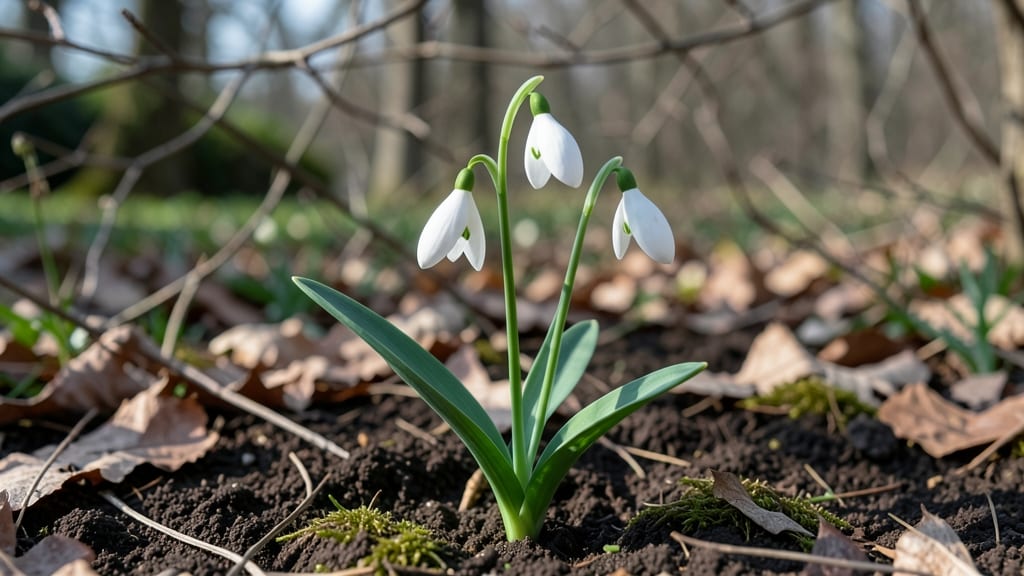
The snowdrops bloom time puts on its best show when winter’s grip finally loosens—typically between late January and early March, depending on your variety and location. 🌱 I’ve watched mine push through snow in late December and bloom again in March, proving these tenacious little flowers are winter’s secret keepers. Some early varieties like 'Galanthus nivalis' burst into bloom as soon as the ground thaws, while later types like 'Galanthus plicatus' wait until February or March for their grand entrance.
The magic happens when soil stays cool but not frozen, and sunlight peeks through—so well-drained, partially shaded spots work best. In warmer climates, snowdrops might bloom as early as December, while colder regions could see them linger into April.
A thick layer of mulch helps regulate soil temperature, and companion plants like hellebores or winter aconites make them stand out even more.
Once they bloom, snowdrops reward you with delicate, nodding flowers that last 2-3 weeks, sometimes longer in cooler weather. The key to encouraging repeat blooms? Avoid disturbing the bulbs—they multiply underground and thrive with minimal care.
Plant them in clusters for a natural, drift-like effect, and watch your garden transform from a winter sleep to a spring preview.
For gardeners eager to extend the show, pair snowdrops with early crocuses or winter pansies. Their layered blooms create a textured, ever-changing winter garden that feels alive even when everything else is dormant. Just remember: these bulbs are hardy but not drought-tolerant, so keep them moist until the ground freezes.
📚 In This Guide
- What you need
- Instructions
- Tips and common mistakes
- Wrapping up and next steps
What you need
- ● Snowdrop bulbs (Galanthus spp.) – Choose 3–5 bulbs per square foot for a lush carpet effect. Opt for Galanthus nivalis (classic white) or varieties like Galanthus elwesii (larger blooms) or Galanthus plicatus (double flowers).
- ● Well-draining potting soil or garden loam – 2–3 parts for planting in containers or 1–2 inches of amended soil for in-ground planting. Mix in compost or peat moss for moisture retention.
- ● Garden trowel or bulb planter – A sharp, narrow tool (6–8 inches deep) for minimal bulb disturbance.
- ○ Mulch (optional but recommended) – 2–3 inches of straw, shredded bark, or leaves to insulate bulbs and retain moisture.
- ● Watering can with a fine rose nozzle – For gentle hydration without displacing bulbs.
- ● Garden gloves – To protect hands while handling soil and bulbs.
- ● Sunlight – Partial to full shade (dappled sunlight is ideal). Avoid harsh afternoon sun.
- ● Soil temperature – Plant bulbs in fall (September–November) when soil temps are below 60°F (15°C) for optimal dormancy.
- ● Moisture control – Snowdrops thrive in consistently moist but well-drained soil. Avoid waterlogged conditions.
- ● Slow-release fertilizer – A balanced 10-10-10 applied in early fall boosts bloom vigor.
- ● Garden twine or stakes – For labeling varieties if you’re testing multiple snowdrop types.
- ● Frost cloth – A lightweight cover for extreme winter protection in zones colder than USDA Zone 4.
- ● Pruning shears – To trim spent foliage after blooming (but leave leaves until they yellow naturally!).
When to expect snowdrop blooms: a seasonal guide by variety
Timing matters most with snowdrops—here’s how to predict their winter shows with precision.
🌱 Step 1: Understand the Core Bloom Windows
Most snowdrops (Galanthus) bloom between late January and early March, but timing varies dramatically by variety. Early bloomers like Galanthus elwesii push through snow as early as late December in mild climates, while late varieties like Galanthus nivalis typically wait until February. The key difference lies in their native origins: alpine species bloom earliest, followed by woodland types.
Watch for snow cover—if your region gets heavy snowfall, blooms may be delayed until mid-March when temperatures stabilize above 35°F. In warmer coastal areas (USDA Zones 7-9), snowdrops often bloom 2-3 weeks earlier than inland locations. This is why gardeners in Portland see flowers in January while those in Denver wait until February.
☀️ Step 2: Adjust for Microclimate and Altitude
Altitude shifts bloom times by 1-2 weeks per 1,000 feet. Mountain gardeners in Colorado or the Alps should expect snowdrops to bloom 2-3 weeks later than lowland gardens at the same latitude. For example, Galanthus plicatus at 5,000 feet might not appear until late February, while the same variety at sea level could bloom in January.
Microclimates matter just as much. Snowdrops planted in north-facing beds (protected from harsh winds) often bloom 10-14 days earlier than those in exposed, south-facing areas. If your garden has a sheltered nook near a stone wall or evergreen hedge, check for blooms there first—these spots can be 5-10°F warmer than open ground, accelerating flowering.
⏰ Step 3: Track Varietal-Specific Timing
Early varieties like Galanthus rizeensis (Turkish snowdrop) bloom December 20–January 10, while Galanthus byzantinus (Giant snowdrop) typically appears February 1–15. Hybrid cultivars like Galanthus × ortus fall somewhere in between, often January 20–February 5. The rule of thumb: smaller flowers bloom earlier, while larger, more robust varieties take longer to push through the soil.
Here’s the progression you’ll see in most gardens:
- Late December: Galanthus elwesii (giant snowdrop) in mild zones
- January 5–20: Galanthus nivalis (common snowdrop) and hybrids
- February 1–15: Late varieties like Galanthus plicatus
- March (rare): Only in cold snaps or high-altitude gardens
🌿 Step 4: Monitor Soil Temperature for Accuracy
Snowdrops respond to soil temperature at 4-inch depth, not air temperature. Use a soil thermometer to confirm blooming readiness—most varieties need 40–50°F for consistent flowering. If your soil stays below 38°F for weeks, blooms may delay until late March. This is why snowdrops in Zone 5 often bloom 3 weeks later than those in Zone 7, even if both regions share similar air temperatures.
Pro tip: Mulch with 3–4 inches of shredded leaves or straw in fall to insulate bulbs. This can advance bloom time by 7–10 days by maintaining a stable 45°F soil temperature. Avoid thick mulch (over 6 inches), which can smother emerging shoots and delay flowering.
✂️ Step 5: Extend the Season with Strategic Planting
For a 6-week snowdrop display, layer three types of bulbs:
- Early bloomers (G. elwesii) planted in September (6–8 weeks before first frost)
- Mid-season (G. nivalis) planted in October
- Late varieties (G. plicatus) planted in November
Plant bulbs 3–4 inches deep in well-draining soil (snowdrops hate soggy roots). In containers, use a 50/50 mix of potting soil and perlite to prevent rot. Containers bloom 1–2 weeks earlier than ground plantings because they warm faster in winter. This trick lets you enjoy snowdrops in December even in colder climates.
Tips & tricks for perfect snowdrop bloom timing
Here's what nobody tells you about getting your snowdrops to bloom on schedule—these details make all the difference.
Soil Temperature Secret: That 40–50°F soil temperature range is non-negotiable for consistent blooming. I learned this the hard way after watching my Zone 6 snowdrops refuse to bloom despite air temperatures above freezing. Invest in a soil thermometer—it's the only way to know for sure when your bulbs are ready to push through. The 38°F threshold is critical: below that, growth halts completely, and you might see blooms delayed until late March even in mild winters.
Microclimate Mastery: The 5–10°F temperature difference between sheltered spots and exposed areas can shift bloom times by 10–14 days. I recommend planting a test batch of Galanthus nivalis in both a north-facing bed and a sunny border. The north-facing ones will often bloom first, sometimes by as much as two weeks. This is especially true in urban gardens where buildings create microclimates—check for blooms near walls or under evergreens first.
Mulching Strategy: The 3–4 inches of mulch mentioned in Step 4 is your best tool for advancing bloom times. I've seen snowdrops in Zone 5 appear in early February instead of March simply by using shredded leaves. The key is consistency—apply mulch in late fall when soil temps drop below 50°F, and remove it in early spring once shoots emerge. Too much mulch (over 6 inches) actually suffocates the bulbs, delaying flowering by weeks.
Varietal Pairing: For a true winter show, combine Galanthus elwesii (late December) with Galanthus plicatus (February). I planted these together in a container last year and had blooms from December 20 through February 15—six weeks of color! The secret is their complementary sizes: the larger G. plicatus emerges later but makes up for it with dramatic height, while the early G. elwesii provides delicate contrast.
Pro Tips for Snowdrops Bloom Time
- Here's what nobody tells you about getting your snowdrops to bloom on schedule—these details make all the difference.
- Soil Temperature Secret: That 40–50°F soil temperature range is non-negotiable for consistent blooming. I learned thi...
- Microclimate Mastery: The 5–10°F temperature difference between sheltered spots and exposed areas can shift bloom tim...
Frequently asked questions
Got questions about snowdrop bloom time? You’re not alone! Here are the most common queries—and their answers—to help you plan your garden’s early winter spectacle.
When do snowdrops typically bloom?
Snowdrops usually bloom between late January and early March, depending on your climate and variety. In milder regions (like the Pacific Northwest or UK), they may appear as early as December. In colder areas, wait until February or March for the best show.
Does temperature affect snowdrop bloom time?
Snowdrops thrive in cool (40–50°F) but not freezing conditions. A sudden warm spell can delay blooming, while consistent cold speeds it up. If your area has unpredictable winters, plant Galanthus nivalis (the classic snowdrop) for reliability—it’s the hardiest variety.
Can I force snowdrops to bloom earlier?
Not easily! Snowdrops are perennials that bloom based on natural dormancy cycles. However, you can plant bulbs in fall (6–8 weeks before frost) to ensure they’re established for next year’s early show. Avoid digging them up—this stresses the plant and may delay blooming.
What if my snowdrops aren’t blooming at all?
Check these common issues:
Too much shade? Snowdrops need partial shade (4–6 hours of light).
Overcrowded? Divide clumps every 3–4 years for better blooms.
Poor soil? Amend with compost—they love moist, well-draining soil.
Are there snowdrop varieties that bloom later?
Yes! While most bloom in January–February, late varieties like ‘S. Arnott’ or ‘Wendy’s Gold’ may linger into March. For a staggered display, mix early (‘G. plicatus’), mid-season (‘G. elwesii’), and late bloomers. Pro tip: White snowdrops often bloom first, followed by yellow or green-marked types.
Wrapping up and next steps
Snowdrops are nature’s cheerful harbingers of spring, and knowing their bloom time by variety lets you plan your winter garden with confidence! 🌱 From the earliest Galanthus nivalis varieties in January to late bloomers like G. elwesii in March, each type offers a unique show.
Whether you’re a gardener or simply admiring their beauty, these delicate flowers remind us that spring’s magic starts earlier than we think.
Ready to welcome snowdrops into your garden? Start by selecting a few varieties—or even just one—and mark their bloom windows on your calendar. With a little patience, you’ll soon have a stunning winter display that brightens even the coldest days. Happy gardening! 🌸