
Blooming
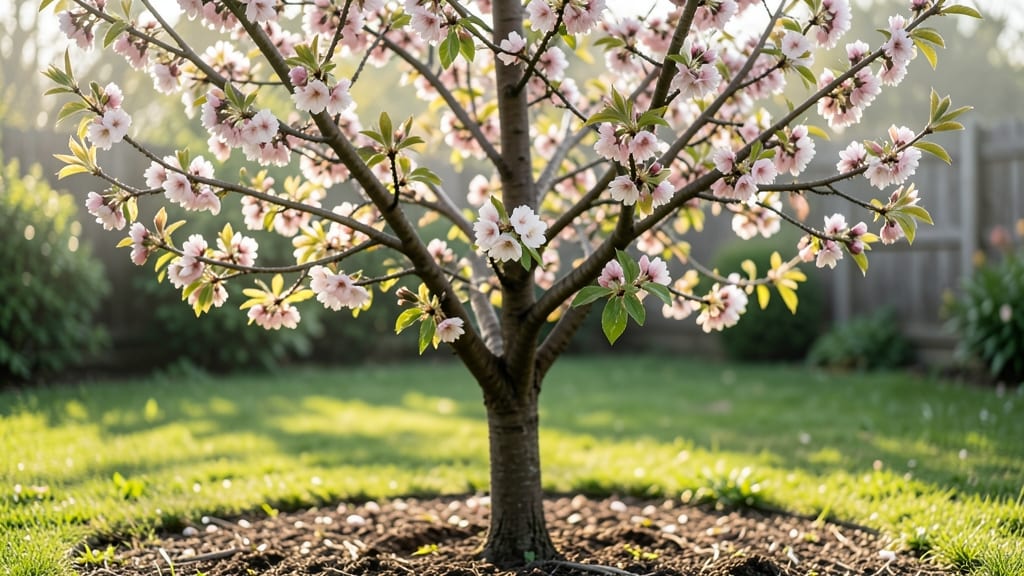
Peach tree bloom time is critical—those late winter to early spring blossoms open in just 4-6 weeks, making it the deciding factor for a sweet harvest or a sparse one.
Picture this: your 🍑 tree is heavy with buds, the air smells like blossoms, and then—one late frost wipes out everything. That’s why knowing your exact bloom time isn’t just helpful; it’s the difference between a full fruit basket and a disappointed summer.
In USDA Zone 6a (like much of the Midwest), blooms typically arrive in April, but in warmer zones like 8-10, they can start as early as February. Varieties matter too—early bloomers like ‘Redhaven’ might pop in March, while latecomers like ‘Elberta’ wait until May.
Below, I’ll break down the exact months for your zone, how to predict blooms before they appear, and the 3 simple steps to protect your tree from frost damage. Ready to turn those blossoms into peaches?
Peach tree bloom time by USDA climate zones: exact months to expect
Understanding your peach tree bloom time is crucial for protecting flowers from frost and ensuring pollination. In USDA zones 5-10, bloom windows vary dramatically—from late March in warm climates to May in cooler regions.
These differences mean the gap between first bloom and last frost can be as short as 2 weeks in northern zones or stretch to 8 weeks in southern zones.
Peach trees need 200-1,000 chill hours (below 45°F) to bloom properly, which explains why late-season varieties thrive in warmer zones while early bloomers risk frost damage in colder areas. Microclimates—like urban heat islands or sheltered valleys—can also shift bloom times by 1-2 weeks, making local observations essential.
Here’s how to use this guide: Match your USDA zone to the bloom window below, then cross-reference with your last frost date. If blooms appear before frost, protect them with row covers or circulation fans to prevent damage.
In Zone 5, peach trees bloom in mid-April, often coinciding with the last frost date. This makes frost protection critical—use frost cloths or overhead sprinklers to raise temperatures by 5-10°F. Varieties like Redhaven are cold-hardy but still vulnerable.
Gardeners in Zone 6 see blooms as early as late March, but microclimates near lakes or hills can delay frost until mid-April. Plant late-blooming varieties like Contender to reduce frost risk, or choose a sheltered location to trap heat.
Southern zones (7-10) offer longer bloom windows, but temperature swings can still damage flowers. In Zone 8, for example, a sudden cold snap in February might harm Flordasun blooms. Monitor National Weather Service alerts and prune to open the canopy for better airflow.
For tropical varieties in Zones 9-10, blooms appear year-round, but January-February is peak season. These trees need consistent warmth—avoid planting in low-lying areas where cold air pools. Use dwarf varieties for easier frost protection if you live near the zone boundary.
Pro tip: Track your tree’s chill hours using a home weather station. Most peaches need 500-1,000 hours below 45°F—if your zone gets fewer than 300 hours, choose low-chill varieties like Springcrest to avoid poor blooming.
How to predict your peach tree’s bloom time before flowers appear
Predicting when your peach tree will bloom can save your harvest from late spring frosts. By observing subtle clues like leaf emergence and temperature trends, you can estimate bloom time with surprising accuracy—even before flowers appear.
This proactive approach helps you protect delicate blossoms and plan for optimal pollination.
Most peach trees need 300-700 hours of winter chilling (temperatures below 45°F) to trigger blooming. Once your tree meets this requirement, it’s just a matter of tracking leaf buds and daily warmth to pinpoint the exact window. Here’s how to stay ahead of the curve and avoid frost-related fruit loss.
- Leaf Buds Swell – When buds plump up (like tiny green peas), blooming is 2-3 weeks away.
- Night Temperatures Stay Above 45°F – Consistent warmth signals the tree to break dormancy.
- New Leaf Growth – Pink or green tips on branches mean flowers will follow in 10-14 days.
- Historical Bloom Data – Check your USDA zone and last year’s bloom date for a baseline prediction.
- Frost Watch – If 30°F nights are forecasted, protect blossoms with frost cloth or row covers.
Start tracking leaf bud development in early spring—this is your first clue. In USDA Zone 7, for example, buds often swell by late March, with blooms appearing in April.
However, a late winter or warm spell can shift this timeline by weeks. Use a garden journal to record bud stages and temperatures each year for a personalized forecast.
Temperature plays a critical role: peach trees typically bloom when daytime highs reach 60-65°F consistently. Monitor your local weather forecasts for frost warnings during this window. If a 32°F night is predicted, cover your tree with frost blankets or set up tree wraps to shield blossoms.
Even a few hours below freezing can damage flowers, reducing your fruit set by up to 50%.
For a data-driven approach, use a chilling hour calculator (available online) to confirm your tree has met its chilling requirements. If it hasn’t, delay pruning or fertilizing until it does—this prevents premature blooming, which weakens the tree.
Once you’ve confirmed adequate chilling, focus on soil moisture and nutrient levels to support healthy flower production.
Pro tip: Prune in late winter (before buds swell) to improve airflow and sunlight penetration. This reduces disease risk and ensures stronger blooms. Avoid heavy pruning in spring, as it stresses the tree during its most critical growth phase. A well-pruned tree blooms more uniformly and produces larger fruit.
By combining bud observation, temperature tracking, and historical data, you’ll predict your peach tree’s bloom time with confidence—giving you time to protect blossoms and set the stage for a record harvest. 🌱🌸☀️