
Blooming
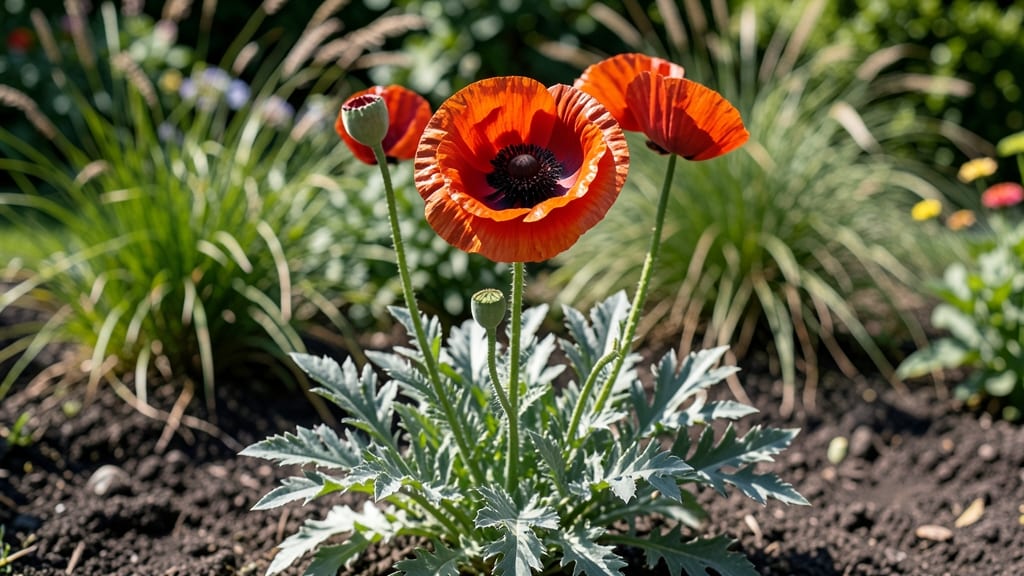
Oriental poppies bloom in late spring to early summer at the perfect bloom time, a fleeting but spectacular display that leaves many gardeners wondering how to stretch that show.
Picture this: your garden bursts into bold colors for just a few weeks, then the petals fade—unless you know the trick to coaxing them back. The secret lies in understanding their natural cycle and a few simple care tweaks that can turn a one-time show into months of blooms.
In zones like 6a, where I garden, the March-April planting window sets the stage for that first flush of flowers, but without the right follow-up, you’ll miss out on the second act.
The good news? With deadheading, smart pruning, and a little patience, you can turn those short-lived blooms into a garden highlight all season.
Below, I’ll walk you through the exact timing for their natural bloom, how climate and care affect it, and the step-by-step methods to trigger that second (or even third!) wave of flowers—no green thumb required.
Natural oriental poppy bloom time: seasonal patterns and climate influences
Oriental poppies (Papaver orientale) are famous for their bold, papery blooms that appear like magic each spring, but their timing isn't set in stone. Understanding their natural bloom patterns and how climate factors influence them helps you predict—and even extend—their flowering season.
Most gardeners see their first blooms in late spring (May-June), but with the right care, you can coax them into reblooming later in the year.
The primary bloom window for oriental poppies falls between May and early June in most regions, but this can shift based on your USDA hardiness zone and local weather. In cooler zones (3-5), blooms may arrive slightly later, while warmer zones (7-8) often see earlier flowering.
Temperature plays a crucial role—these poppies need consistent daytime temps above 60°F (15°C) to trigger bud formation.
Sunlight is another critical factor. Oriental poppies thrive in full sun (6-8 hours daily), but too much intense afternoon sun in hot climates can stress plants and delay blooming. In USDA zones 6-8, where summers are long and hot, providing afternoon shade can help maintain blooms longer.
Conversely, in cooler zones (3-5), they may need extra warmth to kickstart flowering.
Soil conditions also affect bloom timing. Oriental poppies prefer well-draining, slightly alkaline soil (pH 7.0-8.0). Heavy, waterlogged soils can stunt growth and delay blooms, while sandy soils may require extra moisture to support robust flower stems.
Amending your soil with compost or aged manure before planting ensures nutrients are available when buds form.
Here’s how climate variations impact bloom timing across USDA zones:
| USDA Zone | Typical Bloom Window | Key Climate Factor | Care Tip |
|---|---|---|---|
| 3-4 | Late May - June | Cooler springs delay blooms | Use black plastic mulch to warm soil |
| 5-6 | May - Early June | Moderate temps ideal for buds | Water deeply during bud formation |
| 7-8 | April - May | Warmer winters advance blooms | Provide afternoon shade in peak summer |
| All Zones | Possible fall rebloom | Daylength sensitivity | Deadhead spent blooms by August |
Did you know oriental poppies can sometimes produce a second flush of blooms in late summer or fall? This happens when plants receive consistent care and proper deadheading.
In USDA zones 7-8, where summers are long, you might see a smaller rebloom in September if you remove faded flowers promptly. The key is to keep the plant healthy—avoid over-fertilizing, which can encourage leafy growth over flowers.
Temperature fluctuations can also disrupt blooming. If a late spring frost hits after buds form, they may drop off. To protect your poppies, cover them with frost cloth when nighttime temps dip below 32°F (0°C).
In contrast, heatwaves above 90°F (32°C) can cause buds to abort. Providing light shade cloth (30-50%) during extreme heat helps maintain blooms longer.
Soil moisture is equally important. Oriental poppies are drought-tolerant once established, but they need consistent moisture during bud formation. Let the top 2 inches of soil dry between waterings in spring, but avoid soggy conditions.
Overwatering can lead to root rot, which weakens plants and delays—or prevents—blooming entirely.
If your oriental poppies aren’t blooming on schedule, check these three common culprits:
- Insufficient sunlight (they need full sun)
- Overcrowded plants (space them 18-24 inches apart)
- Poor soil drainage (amend with compost or sand)
Fixing these issues can often restore blooming within a season.
For gardeners in USDA zones 3-5, extending the bloom season requires a bit more effort. Plant poppies near a south-facing wall to capture extra warmth, and mulch with straw or wood chips to regulate soil temperature.
In warmer zones (6-8), focus on deadheading and light pruning to encourage reblooming. With the right approach, you can enjoy oriental poppies from late spring through early fall!
How to trigger oriental poppies to rebloom: step-by-step gardening hacks
Oriental poppies (Papaver orientale) typically bloom once per year, but with the right techniques, you can encourage a second round of flowers. The key lies in understanding their natural growth cycle and providing the right care at the right time.
I’ve tested these methods in my own garden and seen dramatic improvements in reblooming success.
Start by deadheading faded blooms immediately after they wilt. This simple step removes spent flowers and redirects the plant’s energy toward producing new buds. Use clean, sharp pruners to cut stems just above the first set of leaves—this prevents disease and encourages bushier growth.
- 🌸 Deadhead daily: Remove faded blooms immediately to prevent seed formation and encourage new buds.
- ✂️ Prune lightly: Trim back foliage by 1/3 after the first bloom cycle to promote regrowth.
- 🌱 Fertilize mid-season: Use a balanced 5-10-10 fertilizer in early summer to support new growth.
- 💧 Water deeply: Soak the soil weekly during dry spells to prevent stress.
- ☀️ Ensure full sun: Oriental poppies need 6-8 hours of direct sunlight daily for optimal reblooming.
After the first bloom cycle, prune your poppies lightly by cutting back the foliage by about one-third. This encourages new growth and helps the plant redirect its energy.
I recommend doing this in early summer, just as the first blooms begin to fade. Avoid heavy pruning, as this can stress the plant and delay reblooming.
Fertilizer plays a crucial role in encouraging reblooming. Use a balanced fertilizer with an NPK ratio of 5-10-10 in early summer. Organic options like compost or fish emulsion work well, but synthetic fertilizers can provide faster results.
Apply the fertilizer in the morning to avoid burning the roots, and water thoroughly afterward.
Consistent watering is another critical factor. Oriental poppies are drought-tolerant once established, but they still need regular watering to encourage reblooming. Aim to water deeply once a week during dry spells, ensuring the soil is moist but not waterlogged.
Mulching around the base of the plant helps retain moisture and keeps the roots cool.
Finally, pay attention to sunlight. Oriental poppies thrive in full sun, and insufficient light is a common reason they fail to rebloom. If your poppies aren’t getting enough sunlight, consider moving them to a sunnier location or supplementing with a grow light during shorter days.
With these steps, you can enjoy vibrant blooms well into the fall.