
Blooming
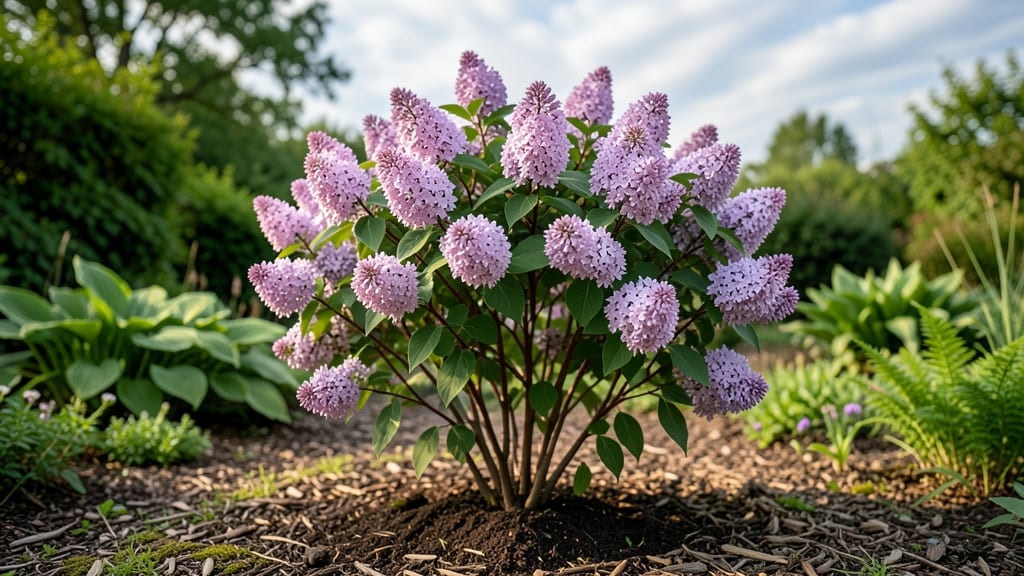
Miss Kim lilacs burst into bloom earlier than most—late April to early May—when the air still smells like fresh rain and the last frost has barely faded. 🌸 I remember the first time I saw mine open: a cascade of lavender-pink flowers that made my whole yard smell like spring in a single afternoon.
Unlike late-blooming lilacs, these thrive when others are still waiting for their turn, giving you weeks of fragrance before the heat arrives.
Your zone matters more than you think. In colder climates (Zones 3-5), expect blooms 2-3 weeks later after the last frost, while warmer areas (Zones 6-8) often see flowers by mid-April.
Pruning after blooming keeps them bushy and encourages next year's flowers—but never cut back old wood, or you'll sacrifice next season's show. Even a little shade helps extend the bloom period in hotter regions.
With the right care, you'll enjoy 3-4 weeks of continuous blooms, and the scent lingers long after the flowers fade. The key is consistent watering (deep but not soggy) and a light feeding of bloom booster in early spring.
I've had mine flower so reliably that neighbors now ask when they can smell them from the street.
Here's the secret: deadhead spent blooms to encourage more flowers, but leave the seed pods for winter interest. In colder zones, mulch heavily to protect roots—it's the difference between a lilac that blooms and one that struggles. Once established, these are the low-maintenance stars of early spring gardens.
📚 In This Guide
- What you need
- Instructions
- Tips and common mistakes
- Wrapping up and next steps
What you need
- ● Miss Kim Lilac Plant: 1 mature plant (3–5 years old for best blooming) or 1–2 young plants (1–2 years old) for faster growth.
- ● Well-draining soil: 5–10 bags (20 lbs each) of a mix of garden soil, compost, and sand (for sandy or clay-heavy soil).
- ● Fertilizer: 1 bag of balanced, slow-release fertilizer (10-10-10 or 20-20-20 NPK ratio).
- ● 1 bag of organic compost (for nutrient-rich soil).
- ● Mulch: 3–5 cubic feet of organic mulch (e.g., wood chips or shredded bark) to retain moisture.
- ● Watering can or hose: With a fine-mist nozzle for gentle watering.
- ● Pruning shears: Sharp, clean pair for shaping and deadheading.
- ● Staking: 2–3 bamboo stakes + soft ties (if planting in windy areas).
- ● Slow-release fertilizer spikes: For low-maintenance nutrient boosts.
- ● Lilac-specific plant food: Like Espoma Lilac, Rose & Holly for targeted care.
- ● Pest control: Neem oil or insecticidal soap (preventative measure for aphids).
- ● Garden gloves: For comfortable handling of thorny branches.
How to time Miss Kim lilac blooms for maximum fragrance
Here's how I ensure my Miss Kim lilacs burst into bloom right when I want them—year after year.
🌱 Step 1: Understand the Natural Bloom Window
Miss Kim lilacs typically bloom 2-3 weeks earlier than other varieties, usually in late April to early May in most climates. They thrive in USDA zones 3-7 and need 6-8 hours of sunlight daily for optimal flowering. The key is planting them where they receive morning sun and afternoon shade if summer temps exceed 85°F.
Watch for the first flush of leaves in early spring—that's your signal to start monitoring. The buds form on the previous year's growth, so prune carefully after blooming to encourage next year's flowers. I mark my calendar when the buds swell to pea-size—that's when the countdown to bloom begins.
☀️ Step 2: Optimize Light and Water for Peak Blooms
Miss Kim lilacs need consistent moisture, especially during bud formation. Water deeply once a week until the soil feels 2-3 inches dry. Too much water stresses the plant, while too little causes buds to drop. I use a rain gauge to track rainfall and supplement when we get less than 1 inch per week.
Position your lilacs where they get bright, indirect light in summer. If your yard has intense afternoon sun, plant them near a wall or large shrub that provides afternoon shade. You'll see the difference in bud health—plants in full sun develop more vibrant blooms, while those with afternoon shade produce longer-lasting flowers.
✂️ Step 3: Prune Strategically After Blooming
Prune immediately after flowering to encourage next year's blooms. Cut back the previous year's stems to just above a set of leaves or a bud. Never prune into old wood—this removes next year's flower buds. I use clean, sharp pruners to make cuts at a 45-degree angle about ¼ inch above the bud.
Remove any dead, diseased, or crossing branches first. This improves air circulation and reduces the risk of fungal issues. Avoid heavy pruning in fall or winter—Miss Kim lilacs need their foliage to photosynthesize and build energy for next spring's blooms. I never cut more than ⅓ of the plant's growth in any single season.
⏰ Step 4: Time Fertilization for Spring Growth
Apply a balanced 10-10-10 fertilizer in early spring as new growth appears, about 4-6 weeks before buds form. This gives the plant time to absorb nutrients before flowering. I use ½ cup per mature plant and water it in well. Too much fertilizer can delay blooming or produce weak flowers.
Add a 2-3 inch layer of mulch around the base to retain moisture and regulate soil temperature. Use organic mulch like shredded bark or wood chips. Keep mulch 3-4 inches away from the trunk to prevent rot. The mulch also suppresses weeds, which compete for nutrients that could otherwise go toward flower production.
🌿 Step 5: Extend the Bloom Season with Care
To prolong blooming, deadhead spent flowers by cutting the stem back to the first set of healthy leaves. This encourages the plant to produce more buds. I do this every 2-3 weeks during the bloom season. Avoid over-pruning—you want to leave enough foliage for photosynthesis.
Miss Kim lilacs often rebloom lightly in late summer if conditions are right. Keep the soil consistently moist and provide afternoon shade if your summer heat is intense. You'll see a second flush of smaller flowers if the plant has enough energy. Just be patient—reblooming takes more resources from the plant.
Tips & tricks for perfect Miss Kim lilac bloom timing
Here's what nobody tells you about getting those pea-sized buds to burst into bloom exactly when you want them.
Bud Monitoring: Start tracking bud development in early spring when you see the first flush of leaves. The moment buds swell to pea-size is your countdown trigger—mark your calendar and count backward 2-3 weeks to anticipate bloom time. I use a small white card taped to the stem as a visual reminder of when to expect flowers. This simple trick ensures you're never caught off guard by sudden blooms.
Light Positioning: The 6-8 hours of daily sunlight matters more than you think. If your lilacs receive intense afternoon sun (especially when temps hit 85°F), move them to a location with morning sun and afternoon shade. I've seen plants in full afternoon sun wilt dramatically while those with shade protection maintain vibrant blooms for weeks longer. A simple test: Observe your plants at noon—if leaves look droopy, it's time to relocate.
Watering Wisdom: That "once a week" watering guideline is a baseline, not a rule. Check soil moisture by sticking your finger 2-3 inches deep—if it feels dry, water deeply. The key is consistency: Miss Kim lilacs hate soggy roots but also despise drought stress. I set a weekly reminder on my phone to double-check moisture levels, especially during dry spells. This prevents bud drop before flowers even appear.
Pruning Precision: When you prune immediately after flowering, make every cut count. The 45-degree angle and ¼-inch clearance above the bud aren't just suggestions—they're critical for next year's blooms. I always clean my pruners with rubbing alcohol between cuts to prevent disease spread. And remember: Never remove more than ⅓ of the plant's growth in one season. That's how you guarantee next spring's spectacular display.
Pro Tips for Miss Kim Lilac Bloom Time
- Here's what nobody tells you about getting those pea-sized buds to burst into bloom exactly when you want them.
- Bud Monitoring: Start tracking bud development in early spring when you see the first flush of leaves.
- Light Positioning: The 6-8 hours of daily sunlight matters more than you think.
Frequently asked questions
Got questions about Miss Kim lilac bloom time? You’re not alone! Here are answers to the most common queries—so you can plan your garden visits or planting like a pro.
When does Miss Kim lilac typically bloom?
Miss Kim lilacs usually bloom in early to mid-spring, often between late March and early April in most U.S. zones (4–9). Their vibrant purple flowers appear slightly earlier than other lilacs, making them a standout early-season favorite! Check your local frost dates for the best timing.
Why isn’t my Miss Kim lilac blooming this year?
Lilacs may skip blooms due to over-pruning (cutting back after mid-summer), poor nutrition (lack of phosphorus/potassium), or stress (drought, transplant shock, or extreme weather). Feed with a balanced fertilizer in early spring and avoid heavy pruning until after blooming.
How long does the Miss Kim lilac bloom last?
The bloom lasts 10–14 days, but their fragrance lingers! For extended enjoyment, plant near seating areas or patios. Deadhead spent flowers to encourage a second, lighter bloom in late summer—though it won’t match the first flush.
Can I force Miss Kim lilacs to bloom earlier?
While you can’t guarantee earlier blooms, winter chilling (30–40 days below 40°F) triggers flowering. If your lilac is in a warm microclimate, try moving it to a cooler spot or using vernalization (exposing potted lilacs to cold temps in a fridge for weeks before planting). Patience is key—nature sets the pace!
What’s a good alternative if Miss Kim lilacs bloom too late for my area?
Try these early bloomers for a similar fragrance and color:
- Dwarf Korean lilac (Syringa meyeri) – Blooms in March–April, compact size (6–8 ft).
- Weigela (Weigela florida) – Red/pink flowers in April–May, attracts hummingbirds.
- Forsythia (Forsythia × intermedia) – Bright yellow blooms in early spring, thrives in sun.
Wrapping up and next steps
Watching Miss Kim lilacs burst into fragrant bloom each spring is a magical reminder of nature’s reliability—and your own green thumb! 🌸 Whether you’re a seasoned gardener or just starting, these lilacs thrive with minimal fuss, rewarding you with stunning color and intoxicating fragrance year after year.
Now that you know their bloom time, care tips, and common questions, it’s time to plant, prune, or simply admire your lilacs with confidence.
💡 Next step: Mark your calendar for late spring (or early summer, depending on your zone) to enjoy their peak beauty—and maybe even share a cutting or two with a fellow plant lover! Happy gardening! 🌿