
Blooming
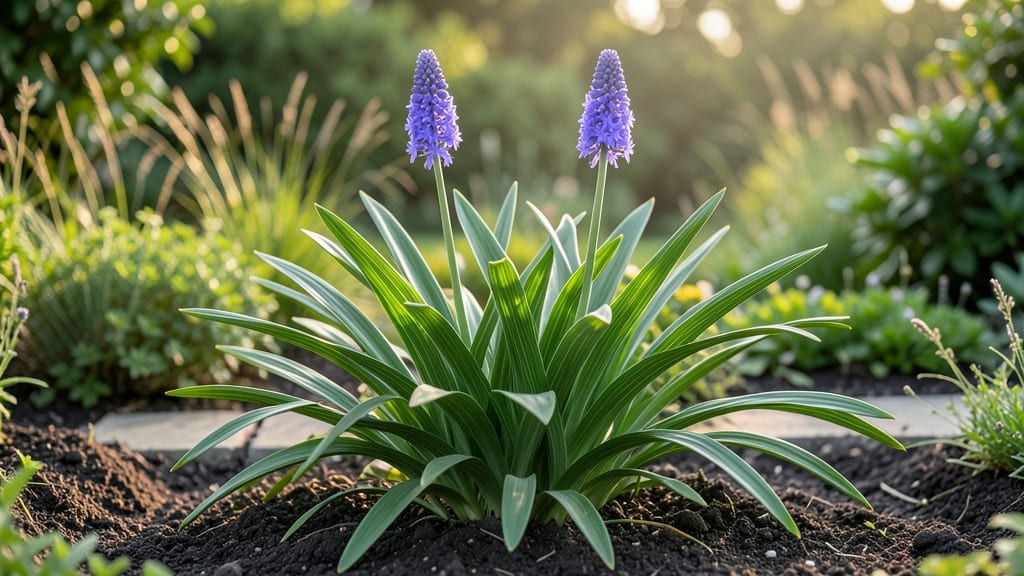
The liriope bloom time transforms your yard into a soft purple or white dream with minimal effort.
If you’re wondering when your liriope—also known as monkey grass or lilyturf—will burst into vibrant blooms, timing depends on the variety, climate, and even your hardiness zone.
In USDA Zone 6a, like where I garden, expect spikes of tiny flowers to rise in August or September, but cooler zones may delay them until October.
Here’s how to adjust sunlight, soil, and pruning to keep those easy-care blooms coming year after year, plus what to do if yours skips the show entirely.
When does liriope bloom? Seasonal timeline by variety
Liriope, often called monkey grass or lilyturf, is prized for its arching flower spikes that add texture and movement to gardens. However, bloom times vary dramatically by variety and hardiness zone.
In USDA zones 3-10, most liriope blooms between late summer and early fall, but timing shifts based on your local climate and specific cultivar.
For example, Liriope muscari (big blue) typically blooms 2-4 weeks earlier than Liriope spicata (creeping liriope). Understanding these differences helps you plan companion plants and extend your garden's seasonal interest. Let’s break down the bloom windows for the most popular varieties, including regional adjustments for cooler and warmer climates.
Pro Tip: In warmer zones (8-10), liriope may bloom as early as June or July, while in cooler zones (3-6), flowering often waits until August or September. Always check your last frost date to time planting for optimal bloom displays.
| Variety | Bloom Time (Zones 3-6) | Bloom Time (Zones 7-10) | Flower Color | Height at Bloom |
|---|---|---|---|---|
| Liriope muscari (Big Blue) | Late August - Early September | Mid-July - August | Purple-blue | 12-18 inches |
| Liriope spicata (Creeping Liriope) | Early September - October | Late July - September | Purple | 6-12 inches |
| Liriope 'Silvery Sunlight' | Mid-August - September | Late June - August | Purple | 12-15 inches |
| Liriope 'Munroe Big Blue' | Late August - Early September | July - August | Deep purple | 18-24 inches |
| Liriope 'Evergreen Giant' | Early September - October | Late July - September | Lavender | 24 inches |
If you live in USDA zones 3-5, expect delayed blooming due to cooler temperatures. For instance, Liriope muscari in Zone 4 may not bloom until mid-September, while the same variety in Zone 9 could start as early as late June.
This shift occurs because liriope relies on day length and temperature cues to trigger flowering.
In warmer southern climates (zones 8-10), liriope often blooms earlier and more prolifically due to longer growing seasons. However, overheating can stress plants, so providing afternoon shade in Zone 10 may help extend bloom duration. Mulching with 2-3 inches of organic matter also regulates soil temperature and conserves moisture.
For northern gardeners (zones 3-6), focus on spring planting to give liriope enough time to establish roots before winter. Plant in late May or early June for stronger root systems and better bloom performance the following season. Avoid planting too early, as cool soil can stunt growth.
Did you know? Some liriope varieties produce two bloom cycles in ideal conditions. 'Silvery Sunlight', for example, may rebloom in late fall if temperatures remain mild. To encourage this, reduce watering slightly in late summer to signal dormancy, then resume in early fall to stimulate new growth.
When planning your garden, pair early-blooming liriope (like 'Munroe Big Blue') with late-summer perennials such as sedum or asters to create a seamless transition. In containers, liriope
How to extend liriope bloom time with proper care
Want your liriope to stay in bloom longer? The secret lies in mimicking its natural growing conditions and giving it the right care at the right time. Unlike many ornamental grasses, liriope responds beautifully to consistent attention—especially when it comes to watering, sunlight, and soil health.
With a few simple adjustments, you can transform a single season of blooms into a prolonged display that lasts weeks instead of days.
First, let’s talk about the foundational care that sets the stage for extended blooms. Liriope thrives when its needs are met year-round, but the peak growing months (June through August) are when you’ll see the most dramatic results.
By focusing on these key areas, you’ll encourage your plants to put more energy into producing vibrant flower spikes rather than just foliage.
🌱 5 Key Tips to Extend Liriope Bloom Time
- 💧 Water deeply 1-2 times per week during peak bloom season (June-August) to prevent stress.
- ☀️ Provide 4-6 hours of morning sun—afternoon shade prevents heat stress that shortens bloom time.
- 🌿 Use well-draining soil with compost to prevent root rot, which stunts flower production.
- ✂️ Prune spent flower stalks after blooming but leave foliage until spring to feed the roots.
- 🌱 Apply balanced fertilizer (10-10-10) in early spring and mid-summer to boost energy for blooms.
Let’s break down each of these strategies so you can apply them with confidence. For watering, consistency is key—liriope hates soggy roots but also struggles with drought stress. Aim for 1-2 inches of water per week, delivered in the morning to allow foliage to dry before evening.
This simple habit prevents fungal issues that can weaken your plants and cut blooms short.
When it comes to sunlight, liriope is adaptable but performs best with partial shade. In hot climates (zones 7-10), protect your plants from intense afternoon sun, which can cause them to bolt prematurely.
If you’re in a cooler zone (3-6), they’ll tolerate more sun, but even then, a dappled light environment extends bloom duration by reducing heat stress.
Your soil conditions play a surprisingly large role in bloom longevity. Liriope prefers slightly acidic to neutral soil (pH 6.0-7.0) with good drainage. Amend heavy clay soils with compost or sand to prevent waterlogging, which can lead to root diseases that weaken the plant.
A quick soil test every few years ensures you’re providing the ideal growing medium for prolonged flowering.
Don’t overlook pruning techniques—they’re one of the easiest ways to encourage more blooms. After your liriope finishes flowering (typically in late summer), snip off the brown flower stalks but leave the green foliage intact.
This practice redirects the plant’s energy toward next year’s growth rather than seed production. In early spring, trim any dead or yellowed leaves to make room for new shoots.
Finally, fertilizing strategies tailored to your liriope’s growth cycle can make a world of difference. Use a balanced, slow-release fertilizer in early spring to jumpstart growth, then switch to a low-nitrogen formula in late summer to promote flowering.
Avoid high-nitrogen feeds during bloom time—they’ll give you lush foliage but fewer flowers. A light application of potassium-rich fertilizer in early fall also helps harden off plants for winter.