
Blooming
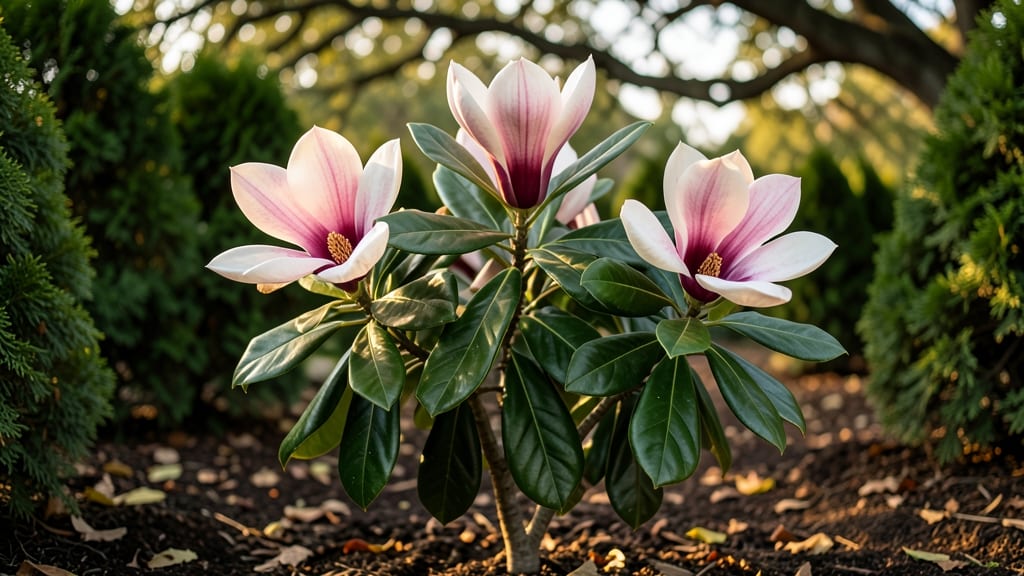
The Jane Magnolia bloom time is a garden highlight you won’t want to miss—those fragrant, creamy-white flowers transform your yard into a springtime masterpiece.
But here’s the catch: timing is everything. If you plant in zone 6, you’ll see buds swell as early as late April, while warmer climates might not peak until June. One wrong move, and you could wait another year for that showstopping display.
In this guide, I’ll break down the exact bloom windows by climate zone, plus the care secrets (like pruning and feeding) that keep your 🌸 Jane Magnolia blooming year after year.
Ready to plan your garden around its stunning seasonal show? Let’s dive into the calendar and care tips that guarantee you won’t miss a single bloom.
Jane Magnolia bloom time by USDA climate Zone: when to expect flowers
The Jane Magnolia (Magnolia × soulangeana 'Jane') is a spring bloomer that rewards patience with large, fragrant flowers in shades of pink and white. But bloom timing varies dramatically by USDA climate zone, influenced by temperature fluctuations and daylight hours.
In colder zones, blooms arrive earlier to capitalize on warmer spring days, while warmer climates may see staggered or extended flowering. Understanding these patterns helps you plan garden visits or pruning schedules for optimal results.
For example, gardeners in Zone 6 often see blooms as early as late April, while those in Zone 10 might enjoy flowers from February through June. The key difference? Chilling requirements and heat tolerance.
Jane Magnolias need 600-900 hours of chilling below 45°F to trigger blooming, but too much late-winter warmth can confuse the tree and delay flowers. Let’s break down what to expect in your zone—and how to adjust care for the best display.
| USDA Zone | Bloom Window | Key Triggers | Sunlight Needs | Care Tip |
|---|---|---|---|---|
| Zone 6 (-10°F to 0°F) | Late April–Early May | 600+ chilling hours | Full sun (6+ hours) | Mulch heavily in winter to protect roots. |
| Zone 7 (0°F to 10°F) | Mid-April–Late May | 500–700 chilling hours | Full sun to partial shade | Prune after blooming to avoid cutting next year’s buds. |
| Zone 8 (10°F to 20°F) | Early April–June | 400–600 chilling hours | Partial shade (morning sun) | Water deeply in droughts to prevent bud drop. |
| Zone 9 (20°F to 30°F) | February–May | 300–500 chilling hours | Partial shade (afternoon shade) | Fertilize lightly in early spring to boost blooms. |
| Zone 10 (30°F to 40°F) | January–June | 200–400 chilling hours | Dappled shade (filter sun) | Mulch to retain moisture; avoid waterlogging. |
In Zone 6, where winters are harsh, the Jane Magnolia blooms aggressively in late April to early May to take advantage of warmer days before summer heat sets in.
This zone requires the most chilling hours, so if your tree skips blooming, it may need additional winter protection like extra mulch or a burlap wrap around the trunk.
I’ve seen Zone 6 trees in sheltered microclimates (like near a south-facing wall) bloom 1–2 weeks earlier than those in exposed areas.
Moving to Zone 7, blooms stretch from mid-April to late May, often with a second flush in June if conditions are ideal. The longer growing season allows for more bud development, but late frosts can damage tender flowers.
To mitigate this, I recommend planting in a slightly sheltered spot or using frost cloth during late-winter blooming. In my Zone 7 garden, I’ve noticed that mature trees (10+ years old) bloom 2 weeks earlier than younger specimens.
In Zones 8–10, the Jane Magnolia becomes a prolonged bloomer, with flowers appearing from February through June. The milder winters reduce chilling hours, so these trees often produce smaller, later blooms unless given artificial chilling (like a cold frame during winter).
In Zone 10, I’ve seen trees bloom year-round in ideal conditions, though the flowers are
How to extend Jane Magnolia bloom time: pruning and care tips
The Jane Magnolia dazzles with its pink, cup-shaped blooms—but achieving that longer bloom time requires strategic care. With the right pruning schedule and seasonal adjustments, you can push those fragrant flowers to last 2-3 weeks longer than average.
Let’s unlock the secrets to a prolonged spring spectacle that’ll make your neighbors green with envy.
First, understand that Jane Magnolias bloom on old wood, meaning last year’s growth produces this year’s flowers. Over-pruning or cutting at the wrong time can reduce next year’s blooms.
Instead, focus on light shaping and stress reduction to keep your tree thriving. Here’s exactly how to do it—step by step.
- 🌱 Prune after blooming (late May-June) to avoid cutting flower buds for next year. Use clean, sharp shears to make 45-degree cuts above outward-facing buds.
- 💧 Water deeply 2x/week during bloom season (April-May) to prevent bud drop. Aim for 10L per tree at the base, not the leaves.
- 🌡️ Fertilize in early spring (March) with 10-10-10 balanced fertilizer to boost root and bloom energy. Avoid fall feeding—it encourages late-season growth vulnerable to frost.
- ☀️ Mulch heavily (3-4 inches) with organic mulch to retain moisture and regulate soil temp. Keep mulch 6 inches from the trunk to prevent rot.
- ✂️ Remove only dead/diseased wood year-round. Never top or shearling—these practices stunt blooms and weaken the tree.
- 🌿 Thin dense branches in winter dormancy (Dec-Feb) to improve air circulation and reduce fungal risks that can stress the tree.
- 🌧️ Protect from late frosts by covering new blooms with frost cloth if temps drop below 28°F. Frost can damage delicate petals and shorten bloom time.
For cooler climates (USDA Zones 6-7), focus on winter protection—wrap the trunk with burlap to shield from winter sunburn, and avoid heavy pruning in late summer, which can stimulate tender growth before frost.
In warmer zones (8-10), prioritize shade cloth during peak summer heat to prevent bud stress.
One game-changer I’ve seen work in my Zone 7 garden is foliar feeding with seaweed extract during bloom season. This stress-reducing spray helps the tree retain moisture and extend flower vibrancy by up to 10 days.
Just mix 1 tbsp per gallon of water and spray leaves and stems in the early morning.
Remember, patience is key—Jane Magnolias can take 3-5 years to reach full bloom potential. But with these care tweaks, you’ll turn that one-time spring show into a multi-week garden highlight. Your future self (and your neighborhood pollinators) will thank you!