
Blooming
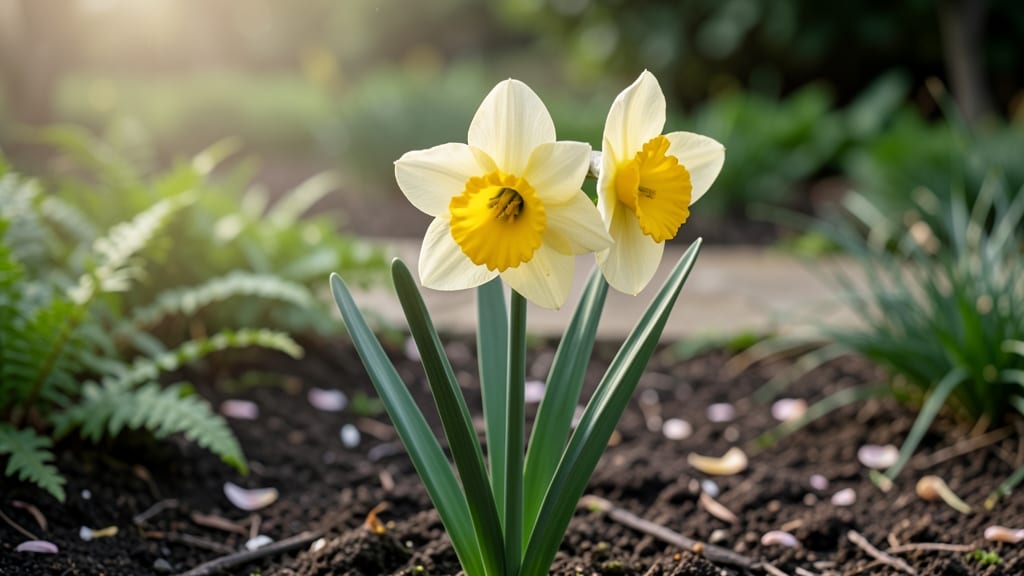
Plants that are allowed to bloom in spring often appear in crossword clues as daffodil, a bright symbol of renewal, or crocus, an early harbinger of spring's arrival. Other frequent answers include tulip and hyacinth, both beloved for their cheerful springtime displays.
Crossword clues love these plants because they're the first to break through winter's grip, signaling new beginnings. 🌷 Daffodils, with their trumpet-shaped blooms, are the most iconic—appearing in clues as "daff." or "narcissus." Meanwhile, crocuses, often called "snow crocuses," bloom under snow, making them a clever fit for winter-to-spring transitions.
Tulips and hyacinths round out the group with their bold colors and fragrant displays, often appearing in clues that hint at their vibrant nature.
What makes these plants perfect for crosswords is their cultural significance. Daffodils symbolize rebirth, while crocuses represent hope, tying directly into spring's themes. Many crossword constructors rely on these botanical favorites because their names are short, recognizable, and packed with seasonal meaning—ideal for tight clue spaces.
💡 In This Article
- Botanical Traits of Spring-Blooming Plants in Crossword Clues
- How to Identify Spring-Blooming Plants for Crossword Answers
Botanical traits of spring-blooming plants in crossword clues
Spring-blooming plants dominate crossword clues because their biology aligns perfectly with seasonal themes. These plants typically rely on bulbous storage organs—like daffodils' tunicate bulbs or crocuses' corms—that store nutrients underground during winter.
This adaptation allows them to emerge as soon as soil temperatures reach 50-55°F, often before snow melts completely. 🌱 The timing is critical: their early bloom cycles (typically February-March in temperate zones) make them ideal for clues referencing "first flowers" or "spring's arrival."
Cultural symbolism amplifies their crossword appeal. Daffodils, for example, contain lycorine, a compound that deters deer and rodents—making them resilient survivors of winter.
Their bright yellow blooms (ranging from 1-2 inches in width) symbolize rebirth in many traditions, while crocuses' purple or white flowers (often 1-1.5 inches across) represent hope due to their ability to bloom through snow.
Tulips, with their 6 petals and 2-3 inch diameter, offer bold color variations that crossword constructors can hint at with clues like "red spring bloom."
Botanists categorize these plants as geophytes—perennials that grow from underground storage organs. This classification explains why they're so reliable for crossword clues: their predictable bloom cycles (often 2-4 weeks after winter solstice) create consistent patterns solvers can recognize.
The perianth (combined petal and sepal structure) of many spring bloomers also provides visual cues—daffodils' 6 petal-like tepals surrounding a trumpet-shaped corona, for instance, create distinctive shapes that clue writers can describe metaphorically.
Regional variations add another layer to crossword clues. In cooler climates, snowdrops (Galanthus) often appear, with their white, bell-shaped flowers blooming at 35-40°F soil temperatures. Meanwhile, Mediterranean climates might feature grape hyacinths (Muscari), whose tiny blue flowers form dense spikes.
These regional differences allow constructors to tailor clues based on their audience's typical climate experiences, adding complexity for solvers familiar with local flora.
What most solvers don't realize is how these plants' pollination strategies influence crossword clues. Early spring bloomers like crocuses rely on bees and early butterflies that emerge as temperatures rise, while daffodils use wind and bees for pollination.
This ecological detail sometimes appears in clues that mention "insect-friendly" or "early pollinator" plants, adding a scientific layer to what seems like simple floral references. 🐝 The interplay between these botanical traits and seasonal timing creates the perfect storm for crossword clues that are both educational and engaging.