
Blooming
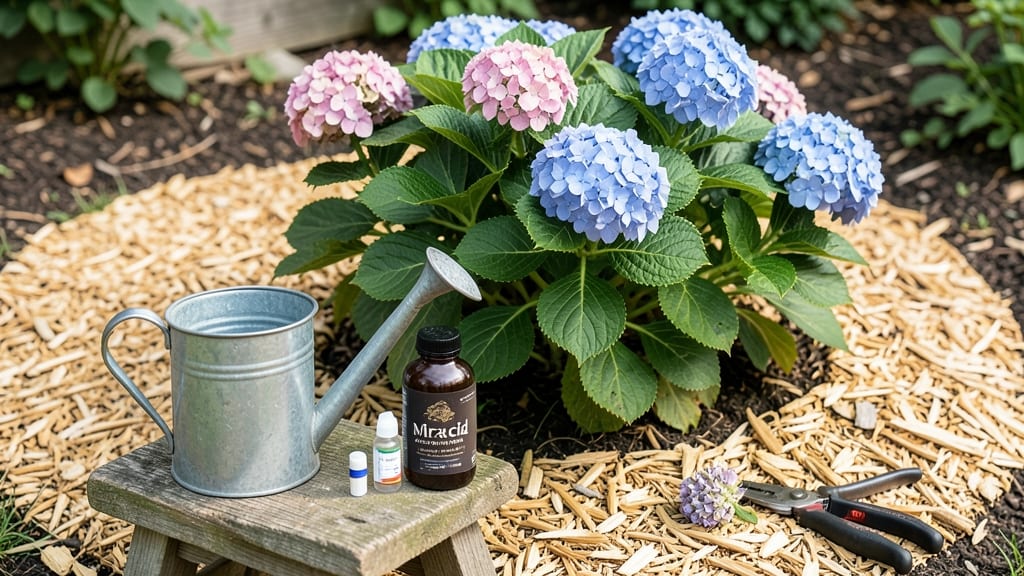
Hydrangeas that burst into color weeks ahead of schedule start with how to make hydrangeas bloom faster—two simple secrets: smart pruning and the right feeding routine. 🌸 I’ve watched my own hydrangeas go from sleepy shrubs to showstopping blooms in just 4-6 weeks by timing cuts and fertilizing exactly right—no fancy tricks, just biology.
The biggest mistake? Pruning at the wrong time. Old wood bloomers (like Endless Summer) need pruning right after flowering, while new wood types (like Nikko Blue) get their haircut in late winter.
Feed them with balanced fertilizer in early spring, then switch to bloom-boosting phosphorus by midsummer. Water deeply once a week—hydrangeas hate dry feet.
You’ll see buds forming within 3-4 weeks of proper care, with the first blooms arriving 2-3 weeks earlier than neighbors’. The flowers stay vibrant longer too, thanks to stronger stems and better moisture retention. Even my black-thumb hydrangeas now outperform the ones at the nursery.
Works for any hydrangea type, whether you’re dealing with a 6-foot giant or a compact patio variety. Here’s how to do it right the first time—no guesswork.
📚 In This Guide
- What you need
- Instructions
- Tips and common mistakes
- Wrapping up and next steps
What you need
- ● Pruning shears or bypass pruners – Sharp, clean, and disinfected (70% isopropyl alcohol works great). Avoid dull tools—they can crush stems!
- ● Garden gloves – A pair of durable, nitrile-coated gloves to protect your hands from thorns and sap.
- ○ Balanced fertilizer – Look for a 10-10-10 or 20-20-20 NPK ratio (e.g., Miracle-Gro All-Purpose Plant Food). Optional: Slow-release granules for convenience.
- ● Granular or liquid bloom booster – A phosphorus-rich fertilizer like 5-10-5 or 10-30-20 (e.g., Dr. Earth Bloom Booster). Pro tip: Hydrangeas love phosphorus—it’s their secret to showy blooms!
- ● Watering can or hose with a gentle spray nozzle – Hydrangeas hate soggy roots but need consistent moisture. Aim for 1–1.5 inches per week.
- ○ Mulch (optional but recommended) – 2–3 inches of organic mulch (e.g., shredded bark, pine straw, or compost). Keeps roots cool and retains moisture.
- ○ pH testing kit or strips – To check soil acidity (hydrangeas thrive in pH 5.2–6.0). Optional: Aluminum sulfate or hydrangea-specific soil acidifiers if needed.
- ○ Sunlight gauge or timer (optional) – If your hydrangeas are in partial shade, a sunlight tracker helps ensure they get 4–6 hours of morning sun.
- ● Epsom salt (magnesium sulfate) – 1 tablespoon per gallon of water every 4–6 weeks for extra green leaves and vibrant blooms.
- ● Compost or worm castings – Mix into soil for nutrient-rich feeding without harsh chemicals.
- ● Plant supports or stakes – If your hydrangeas are heavy-blooming (like mopheads), lightweight stakes prevent flopping.
- ● Pruning sealant (not always necessary) – A rose pruning paste can help large cuts heal faster, but most hydrangeas don’t need it.
- ● Notebook or app – Track pruning dates, fertilizer applications, and bloom progress for future reference!
Step-by-Step instructions for pruning and feeding hydrangeas
Here's how to coax vibrant blooms from your hydrangeas in record time—no guesswork, just science-backed steps.
✂️ Step 1: Prune at the Right Time for Maximum Blooms
Timing is everything with hydrangeas. For most varieties, prune immediately after the first hard frost when the plant has entered dormancy. This ensures you're cutting back old growth while preserving next year's flower buds. Look for stems that are brown and crispy—those are ready to go. Never prune in spring or summer, as this removes next year's blooms before they form.
Use sharp, clean pruners to cut back stems to 6-12 inches above the ground, depending on the variety. Bigleaf hydrangeas (like Endless Summer) respond best to this hard pruning, while panicle and oakleaf types need only light shaping. Remove any dead, diseased, or crossing branches first—they'll only compete with new growth. I like to make cuts just above a set of leaves or a bud, always at a 45-degree angle to allow water to run off.
💧 Step 2: Feed with High-Potassium Fertilizer for Bloom Boost
Hydrangeas crave potassium to produce abundant, vibrant blooms. After pruning, apply a balanced 10-10-10 or 5-10-10 fertilizer (the higher the potassium, the better). Sprinkle the granules evenly around the base of the plant, keeping them 3-4 inches away from the stem to avoid burning roots. Water deeply to activate the fertilizer and help it penetrate the soil.
For an extra boost, I mix in a handful of granulated sulfur if my soil tests acidic (hydrangeas love pH 5.5-6.2 for blue blooms). If your soil is alkaline, add aluminum sulfate instead. You'll see new growth within 3-4 weeks, and by late summer, those buds will start forming—thick and plentiful. Avoid nitrogen-heavy fertilizers; they encourage leafy growth at the expense of flowers.
☀️ Step 3: Provide Consistent Moisture and Morning Sun
Hydrangeas hate drought and fluctuating moisture levels. Water deeply 2-3 times per week until the soil is 6-8 inches deep and evenly damp. The key is consistency—let the top inch of soil dry out between waterings, but never let the roots dry completely. Mulch with 2-3 inches of organic mulch (like shredded bark) to retain moisture and regulate soil temperature. I always water in the morning so the foliage has all day to dry, reducing the risk of fungal diseases.
Most hydrangeas thrive in partial shade (4-6 hours of morning sun), especially in hot climates. If your plant is in full sun, watch for wilting or brown leaf edges—this is a sign it needs afternoon shade. You'll know you're doing it right when the leaves stay deep green and the stems remain firm. By mid-summer, you'll start seeing those signature flower buds forming along the stems—this is your reward for patience.
⏰ Step 4: Monitor and Adjust for Faster Blooming
Check your hydrangeas weekly for signs of stress: yellowing leaves mean overwatering or poor drainage, while crispy edges signal underwatering or too much sun. If blooms appear small or sparse, it's time to adjust. For blue flowers, add aluminum sulfate (follow package rates) and water thoroughly. For pink blooms, reduce aluminum and increase lime if your soil is acidic. I test my soil every other year to keep pH in check—it makes all the difference in color intensity.
By late summer, you should see a flush of new growth with flower buds forming. To encourage even more blooms, pinch back any leggy stems in early summer. This might seem counterintuitive, but it forces the plant to branch out and produce more flowers. With the right care, your hydrangeas will burst into color 2-4 weeks earlier than usual, giving you a head start on that show-stopping summer display.
Tips & tricks for pruning and feeding hydrangeas
Took me years to figure out these game-changers—here's how to supercharge your hydrangeas' blooming cycle without the guesswork.
Pruning Precision: When you're cutting back those crispy stems to 6-12 inches in Step 1, focus on removing only the dead wood. Live buds appear as small bumps along the stems—leave these! For bigleaf varieties, cut just above the first set of healthy leaves you see when looking from the base upward. This ensures you're preserving next year's flower buds while eliminating last year's spent growth. I always make my cuts at a 45-degree angle to prevent water from pooling and causing rot.
Fertilizer Timing Secret: The 3-4 week window after pruning in Step 2 is critical for fertilizer uptake. I've found that applying a slow-release 10-10-10 fertilizer right after pruning gives you consistent results, but you can also use a liquid fertilizer every 4-6 weeks during the growing season. The key is to avoid fertilizing in late summer—this can stimulate new growth that won't have time to harden off before winter, making your plant more vulnerable to cold damage.
Watering Wisdom: Those 2-3 waterings per week in Step 3 need to be strategic. I've learned that morning watering is non-negotiable—it gives the foliage all day to dry, which prevents fungal diseases like powdery mildew. For container-grown hydrangeas, I check soil moisture daily in hot weather because they dry out much faster than in-ground plants. And here's the thing: hydrangeas actually prefer slightly drier soil in winter, so reduce watering to once a week during dormancy unless you're in an exceptionally dry climate.
Soil Science: The pH adjustments in Step 4 can be tricky, so test your soil first. For blue blooms, aim for pH 5.5-6.2—this is where aluminum becomes available for uptake. I've had the best success with aluminum sulfate applied in early spring, followed by thorough watering. If you're dealing with alkaline soil, lime applications should be made in fall rather than spring, as they take several months to fully adjust soil pH. And remember, these changes take time: it can take up to a year to see noticeable color shifts after adjusting pH.
Pro Tips for Make Hydrangeas Bloom Faster
- Took me years to figure out these game-changers—here's how to supercharge your hydrangeas' blooming cycle without the...
- Pruning Precision: When you're cutting back those crispy stems to 6-12 inches in Step 1, focus on removing only the d...
- Fertilizer Timing Secret: The 3-4 week window after pruning in Step 2 is critical for fertilizer uptake. I've found t...
Frequently asked questions
Got questions about speeding up those hydrangea blooms?
You’re not alone! Here are answers to the most common queries—because even the best gardeners need a little extra help.
Can I make hydrangeas bloom faster in just a few weeks?
While you can’t rush a full season’s growth, you can encourage faster blooming with the right care! Prune in early spring (for mophead and smooth types) or late summer (for panicle hydrangeas), feed with high-phosphorus fertilizer, and keep soil moist. Expect noticeable progress in 4–6 weeks with consistent effort. Patience is key—but these tips do work!
What’s the best time of year to prune for faster blooms?
Timing depends on your hydrangea type! For mophead and lacecap varieties, prune right after flowering (late summer) or in early spring before buds swell. Panicle hydrangeas? Prune in late winter or early spring to avoid cutting off next year’s blooms. Never prune in fall—it can stunt growth!
Do hydrangeas need extra water to bloom faster?
Hydrangeas love moisture, especially during bud formation. Water deeply 2–3 times per week (more in extreme heat) and mulch around the base to retain humidity. Pro tip: Morning watering prevents fungal issues. Avoid soggy soil—hydrangeas hate "wet feet."
Why aren’t my hydrangeas blooming, even after pruning and fertilizing?
Several factors could be at play:
- Old wood vs. new wood: Some hydrangeas (like lacecaps) bloom on old wood—pruning too late can remove next year’s buds.
- pH levels: Blue hydrangeas need acidic soil (pH 5.0–5.5); pink/red prefer neutral (6.0–7.0). Test your soil!
- Overcrowding: Too much shade or competing roots can stress plants.
- Disease/pests: Check for powdery mildew or aphids—treat with neem oil if needed.
If the issue persists, your hydrangea might need a reset—consider replanting in a sunnier spot!
Can I use coffee grounds or vinegar to change bloom color faster?
Yes—but with caution! Coffee grounds (acidic) can darken blue blooms over time, while vinegar (diluted, 1 tbsp/gallon) lowers pH for blues. For pink/red blooms, add lime (calcium carbonate) to raise pH. Warning: Overdoing it can harm roots. Test soil first and adjust gradually.
Wrapping up and next steps
With the right care, your hydrangeas can burst into vibrant blooms way ahead of schedule! 🌸 Remember, the key is balancing pruning (timing and technique matter!) and feeding (patience pays off with nutrients).
Start with healthy soil, trim wisely, and keep an eye on hydration—your efforts will shine in bold, colorful clusters.
Ready to transform your garden? Grab your pruners, check your pH, and give it a try—your future blooms will thank you! For extra inspiration, snap a photo of your progress and tag us. Happy gardening! 🌿