
Blooming
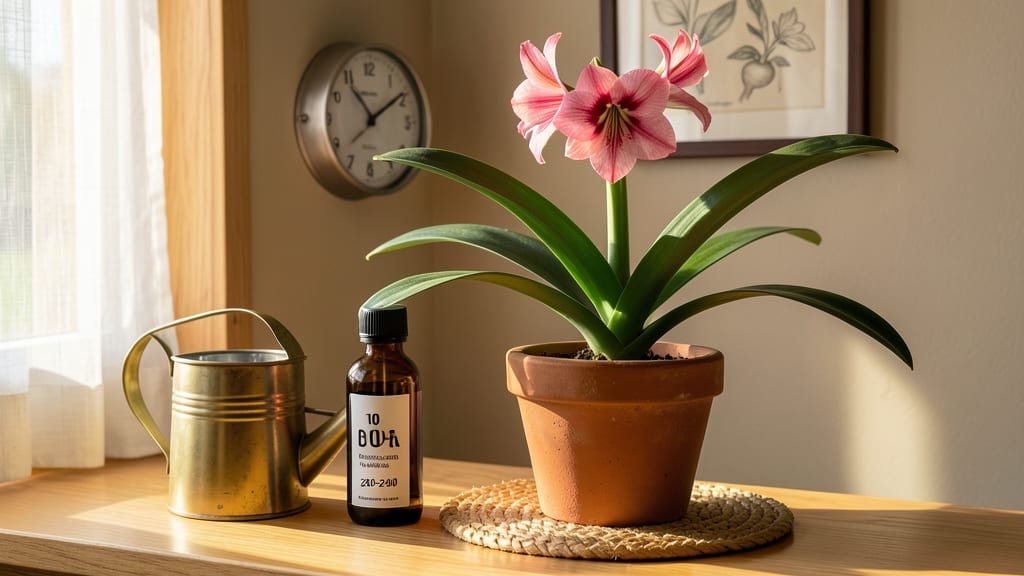
Forcing your amaryllis to rebloom for Christmas isn't magic—it's timing, light, and a little patience. 🌱 I've coaxed bulbs into holiday blooms for years, and the secret lies in mimicking their natural cycle with precise watering and temperature shifts.
Most people give up after one failed attempt, but with the right approach, you'll see those iconic red trumpets appear right when you need them. The trick starts in late summer when you repot the bulb and let it dry out until two-thirds of it's exposed.
This dormancy period tricks the bulb into thinking winter's coming, so it stores energy for a dramatic spring-like bloom. Then, in early fall, you gradually reintroduce water and warmth—just like nature would. By Thanksgiving, you'll see that first green shoot poking through.
What you end up with is a 6-foot-tall Christmas centerpiece that keeps blooming for weeks. The flowers stay vibrant indoors, and the scent fills your home with that holiday charm. The best part? You can repeat this process every year with the same bulb.
Here's where most gardeners mess up: rushing the dormancy or overwatering during reblooming. Stick to the schedule, and your amaryllis will deliver reliable holiday blooms for years to come.
📚 In This Guide
- What you need
- Instructions
- Tips and common mistakes
- Wrapping up and next steps
What you need
- ● 1 mature amaryllis bulb (preferably one that’s bloomed before—look for firm, plump bulbs with no soft spots).
- ● 1 small to medium pot (6–8 inches in diameter) with drainage holes (terracotta or ceramic works best).
- ● High-quality potting mix (well-draining, like a cactus/succulent blend or a mix of peat moss, perlite, and sand). No garden soil!
- ● 1–2 inches of water (room temperature, not cold or hot).
- ● Grow lights or a sunny windowsill (south-facing is ideal; supplement with a 12–14 hour grow light if natural light is weak).
- ● Balanced liquid fertilizer (10-10-10 or 20-20-20, diluted to half-strength).
- ● Spray bottle (for occasional misting to keep humidity up).
- ● Bulb fertilizer (like bulb-tone or a phosphorus-rich formula to encourage blooming).
- ● Decorative pot or cachepot (for a festive Christmas look—just ensure the inner pot has drainage!).
- ● Thermometer (to monitor temperature, ideally keeping it between 65–75°F during the day).
- ● Pruning shears (for trimming spent blooms or leaves to redirect energy to the bulb).
- ● Mulch or pebbles (to keep moisture consistent and prevent root rot).
Step-by-step instructions for forcing amaryllis to rebloom for Christmas
Here’s the method I’ve used to coax vibrant Christmas blooms year after year—no black magic, just timing and patience.
🌱 Step 1: Choose a Healthy Bulb and Plant at the Right Time
Start with a bulb that flowered well last year—look for firm, unblemished skin and a sturdy stem base. Plant it in a 6-8 inch pot with fresh well-draining potting mix (amaryllis roots hate soggy soil). Bury the bulb halfway, leaving the top third exposed to prevent rot. This is the moment that matters: plant your bulb 8-10 weeks before Christmas (around early October).
I know it seems early, but rushing leads to weak stems and small blooms. If you plant too late, the bulb won’t have enough time to develop the energy needed for a full Christmas display. Water lightly after planting—just enough to settle the soil around the bulb.
☀️ Step 2: Provide Bright, Indirect Light and Warmth
Place your amaryllis in a spot with bright, indirect light—think east-facing window or a few feet from a south window. Direct sun can scorch the leaves, while too little light slows growth. You’ll see new leaves emerge within 2-3 weeks—that’s your signal everything is working. Keep the soil slightly moist but never soggy; let the top inch dry out between waterings.
Here’s the thing—amaryllis bulbs need warmth to grow strong stems. Keep your pot in a spot where temperatures stay between 65-75°F during the day. If your home runs cooler, a heat mat under the pot (set to 70°F) gives that extra nudge. Watch for leaves that look pale or leggy—those are signs the bulb isn’t getting enough light or warmth.
💧 Step 3: Fertilize and Encourage Strong Stem Growth
Once leaves reach 4-6 inches tall, start fertilizing with a balanced liquid fertilizer (like 10-10-10) diluted to half strength. Feed every 2 weeks until you see the flower stalk begin to form. This ensures the bulb builds enough energy for a robust bloom. I use a spray bottle for even distribution—no fertilizer burns on the leaves.
Don’t overwater now. You’ll know moisture is right when the soil feels damp to touch but not heavy. If the stalk grows too slowly or bends, your light is too weak—move the pot closer to the window or add a grow light for 12-14 hours daily. Real talk: a weak stalk won’t support big blooms, so this is where most people go wrong.
⏰ Step 4: Trigger Blooming with Controlled Stress
About 6-8 weeks after planting (roughly late November), it’s time to shock the bulb into blooming. Move it to a cooler spot (55-60°F) with 12 hours of darkness daily—this mimics winter conditions. I place mine in a dark closet or under a box with a timer-controlled grow light (on for 12 hours, off for 12). This trick forces the bulb to focus its energy on flowering instead of leaf growth.
Water sparingly during this phase—just enough to keep the soil from drying out completely. You’ll see the flower stalk shoot up within 1-2 weeks. If it doesn’t appear by then, give the bulb another week of darkness before checking again. Patience here pays off with bigger, brighter blooms.
🎄 Step 5: Bring It Back to Bloom for Christmas
Once the flower stalk reaches 6-8 inches tall, move the pot back to its warm, bright spot. Keep the soil moist but not soggy, and avoid fertilizing—you want the bulb to focus on opening those buds, not new leaves. The blooms should open fully by Christmas, giving you that festive centerpiece you’re dreaming of.
After the flowers fade, don’t cut the stalk—let it die back naturally. This helps the bulb store energy for next year. Once the leaves yellow and wither, reduce watering and store the pot in a cool, dark place until late summer, when you’ll repeat the process for another round of blooms.
Tips & tricks for perfect Christmas amaryllis blooms
Timing and patience are everything—here's how to give your amaryllis the best shot at stunning Christmas flowers.
Bulb Selection: Don't just grab any bulb! Look for ones that flowered well last year with firm, unblemished skin. I've had the most success with bulbs that are at least 3 inches in diameter—they've got the energy reserves to produce multiple blooms. Avoid any with soft spots or mold, as these won't recover even with perfect care.
Lighting Strategy: While bright indirect light is ideal, most homes don't have perfect east-facing windows. If your amaryllis isn't getting enough natural light after the 2-3 week mark, supplement with a 12-14 hour daily grow light placed 6-12 inches above the plant. LED grow lights are energy-efficient and work well—just avoid heat-generating incandescent bulbs that can scorch leaves.
Temperature Transition: The shift from 65-75°F to 55-60°F during the blooming phase is crucial. If your home stays consistently warm, move the pot to a cooler basement or garage during the 12 hours of darkness each day. For extra control, use a small fan on low setting near the pot—this mimics natural air movement that triggers blooming without stressing the plant.
Post-Bloom Care: After your Christmas display, don't make the mistake of cutting the flower stalk immediately. Let it die back naturally and even turn yellow—this process helps the bulb store energy for next year. Once all leaves have withered, reduce watering to just enough to prevent the bulb from shriveling, then store in a cool, dark place until late summer.
Pro Tips for Get Amaryllis To Rebloom For Christmas
- Timing and patience are everything—here's how to give your amaryllis the best shot at stunning Christmas flowers.
- Bulb Selection: Don't just grab any bulb!
- Lighting Strategy: While bright indirect light is ideal, most homes don't have perfect east-facing windows.
Frequently asked questions
about getting your amaryllis to rebloom for Christmas—because even the best gardeners need a little extra help!Why isn’t my amaryllis reblooming after last year?
There are a few common reasons: not enough light (they need bright, indirect light for 6-8 hours daily), overwatering (soggy soil = root rot), or skipping the dormancy phase. If your bulb hasn’t bloomed in 2+ years, it might need a reset—try forcing it again with the steps above!
Can I force an amaryllis to bloom earlier than Christmas?
Yes! Start the 12-week forcing cycle earlier (e.g., late September for Thanksgiving blooms). Just adjust the timing: plant the bulb 9-10 weeks before your target date, then follow the same light/water rules. Pro tip: Use grow lights if natural light is limited to speed things up!
What if my amaryllis only grows leaves and no flowers?
This usually means weak light or overfeeding. Move it to a sunnier spot (south-facing window or under grow lights) and reduce fertilizer to half-strength. If it’s been leafy for months, let the leaves die back naturally—this signals the bulb to focus on blooming next cycle.
Do amaryllis bulbs need cold treatment to rebloom?
Unlike some bulbs (like tulips), amaryllis don’t require cold stratification. They thrive in warmth (65–75°F) during growth. However, a cool, dark dormancy period (50–55°F for 6–8 weeks) after blooming helps them store energy for next year’s flowers.
What’s the best alternative if my amaryllis won’t rebloom?
Try these low-maintenance holiday bloomers:
- Paperwhite narcissus: Blooms in 6–8 weeks from bulbs, loves cool homes.
- Anthurium: Thrives in low light, reblooms with minimal care.
- Christmas cactus: Needs darkness to bloom but is foolproof!
Wrapping up and next steps
With the right care and a little patience, your amaryllis can dazzle you with Christmas blooms year after year! 🎄✨ Remember, the key is balancing light, water, and dormancy—so don’t rush the process.
Once you’ve mastered the steps, you’ll have a stunning holiday centerpiece that’s as rewarding to grow as it is to admire.
Ready to make next year even brighter? Start now by snapping a photo of your blooming amaryllis—it’s the perfect reminder to prep for your next forced bloom cycle this summer! 📸🌱