
Blooming
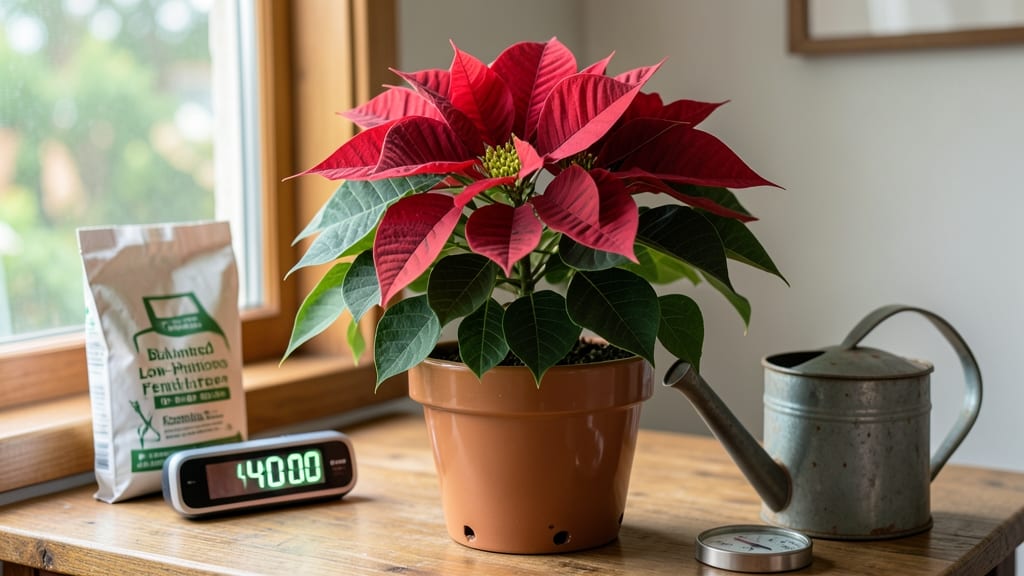
How to get a poinsettia to bloom again—its vibrant red can return every holiday season with the right light and timing. 🌟 I’ve coaxed reblooms from plants that looked hopeless after Christmas, and the secret isn’t complicated: mimic the plant’s natural cycle. Most people miss the 14-hour dark period that triggers blooming, and that’s what separates a one-time showstopper from a reliable year-after-year star.
The process starts in late summer with consistent light exposure—6 hours of bright, indirect sunlight daily. Then comes the magic: from mid-October to mid-December, your poinsettia needs 14 hours of complete darkness every night. That means no porch lights, no streetlights, and definitely no peeking.
After those dark hours, it gets 8-10 hours of bright light to recharge. Skip this step, and you’ll be back to square one next Christmas.
By December, you’ll see tight buds forming at the stems’ tips—proof the plant is responding. Keep the soil lightly moist (not soggy) and fertilize every 2-3 weeks with a balanced formula. Prune back leggy growth in early spring to encourage bushier, more productive stems for next year’s blooms.
The payoff? A poinsettia that’s just as stunning as the one you bought, year after year.
This method works for any mature poinsettia, whether it’s a classic red or a trendy white or pink variety. The key is patience—it takes about 10-12 weeks from the first dark period to see those signature bracts.
Start now, and next holiday season, you’ll have a plant that’s not just beautiful, but reliable.
📚 In This Guide
- What you need
- Instructions
- Tips and common mistakes
- Wrapping up and next steps
What you need
- ● Healthy poinsettia plant – Choose one that’s already bloomed at least once (new plants may take longer to rebloom).
- ○ Grow lights (LED or fluorescent) – 1-2 bulbs per plant, 6000K+ color temperature (full-spectrum preferred). Optional: A smart grow light timer for automation.
- ● South-facing window or sunny spot – 6+ hours of indirect light daily (or supplement with artificial light).
- ● Well-draining potting mix – 1 part peat moss, 1 part perlite, 1 part potting soil (or a pre-mixed african violet/poinsettia blend).
- ● 6-inch pots with drainage holes – 1 per plant (terracotta or plastic, your choice!).
- ● Balanced liquid fertilizer – 10-10-10 or 20-20-20 NPK ratio, diluted to ½ strength.
- ● Spray bottle – For light misting (poinsettias love humidity!).
- ● Pruning shears or clean scissors – Sharp and sterilized to avoid plant stress.
- ● Aluminum foil or black plastic – For light manipulation tricks (more on this later!).
- ○ Thermometer/hygrometer (optional but helpful) – To monitor 60–75°F temps and 40–60% humidity.
- ● 🌡️ Temperature control: Keep your poinsettia cool (55–65°F at night) for 4–6 weeks before blooming to mimic natural conditions.
- ● ⏳ Time tracking: Use a calendar or app to log light exposure and fertilizer schedules.
- ● 💧 Water wisdom: Water only when the top inch of soil is dry—overwatering = root rot!
Step-by-Step instructions for poinsettia re-blooming success
Here’s the science-backed method I rely on to coax vibrant blooms from store-bought poinsettias year after year.
🌱 Step 1: Master the Light Cycle Starting Now
Poinsettias bloom in response to 14 hours of darkness—not sunlight—each night. Begin this regimen now by placing your plant in a dark closet or covered area from 5 PM to 9 AM daily. Use a timer-controlled light to confirm complete darkness; even a nightlight can disrupt flowering.
During daylight hours, position the plant in bright, indirect light—a south or west-facing window works best. Avoid direct sun, which scorches leaves. You’ll notice new growth after 6-8 weeks; this signals the plant is responding to the cycle.
☀️ Step 2: Adjust Care During the Dark Treatment Phase
Reduce watering to every 7-10 days once the dark cycle begins. Overwatering stresses the plant and delays blooming. Stick your finger 1 inch into the soil—water only when it feels dry. Yellow leaves mean you’re overdoing it; brown edges signal underwatering.
Fertilize lightly with a balanced 10-10-10 formula every 4 weeks during this phase. Too much nitrogen promotes foliage over flowers. Watch for buds forming after 8-10 weeks of consistent dark treatment—this is your reward for patience.
⏰ Step 3: Transition to Bloom Maintenance
Once buds appear, stop the dark treatment and return the plant to normal light. Keep it in bright, indirect light (6+ hours daily) to encourage vibrant color development. Rotate the pot weekly so growth stays even—lopsided plants lean toward the light.
Water when the top 1-2 inches of soil dry out, but avoid soggy soil. Poinsettias are drought-tolerant once established; wilting leaves mean it’s thirsty, but yellowing means overwatering. Expect full bloom in 4-6 weeks after buds form.
🌿 Step 4: Post-Bloom Care for Next Year’s Flowers
After blooms fade, trim stems to 4-6 inches above the base. This encourages bushier growth and more blooms next season. Prune in late winter (February) when new growth starts. Avoid heavy pruning later—it removes next year’s flower buds.
Move the plant outdoors in spring (after last frost) for fresh air and sunlight. Bring it back inside before temperatures drop below 50°F. Resume the dark cycle in early September to restart the blooming process—consistency is key.
Tips & tricks for perfect poinsettia re-blooming
Took me years of trial and error to master these secrets—here's how to get your poinsettia blooming reliably every season.
The Darkness Factor: That 14-hour darkness window in Step 1 is non-negotiable for flowering. I use a small black plastic bag over the plant during dark treatment—it's foolproof for blocking light. Even a tiny crack of light can disrupt the process, so test your dark space with a light meter if possible. The goal is absolute darkness from 5 PM to 9 AM sharp.
Light Quality Matters: During daylight hours, east-facing windows provide ideal bright, indirect light without scorching. If you only have south-facing windows, place sheer curtains between the plant and direct sun. I've seen leaves burn within hours when exposed to harsh afternoon sun—watch for crispy edges as your warning sign.
Watering Wisdom: The 7-10 day watering schedule in Step 2 might feel stingy, but poinsettias store water in their stems. I check soil moisture by lifting the pot—if it feels heavy, wait another day. Overwatering causes root rot, which kills the plant before it can bloom. Yellow leaves are your first warning that you're watering too frequently.
Fertilizer Timing: That 4-week fertilization schedule in Step 2 is crucial—too much nitrogen creates leafy growth at the expense of flowers. I switch to a low-nitrogen 5-10-10 formula during bud formation to encourage blooming. Watch for buds forming after 8-10 weeks of consistent dark treatment; this is your reward for patience and proof you're doing it right.
Pro Tips for Get A Poinsettia To Bloom Again
- Took me years of trial and error to master these secrets—here's how to get your poinsettia blooming reliably every season.
- The Darkness Factor: That 14-hour darkness window in Step 1 is non-negotiable for flowering.
- Light Quality Matters: During daylight hours, east-facing windows provide ideal bright, indirect light without scorching.
Frequently asked questions
about reviving your poinsettia’s blooms—because even the most patient gardeners need a little extra help! Here are answers to the most common questions to keep your plant thriving and colorful year after year.Why isn’t my poinsettia blooming the second year?
Poinsettias need 12+ hours of darkness daily for 6–8 weeks to trigger blooming. If your plant isn’t getting consistent darkness (like from artificial light or street lamps), it may skip flowering. Also, check for stress—overwatering, underwatering, or sudden temperature drops can delay blooms. Start your "dark treatment" in early October for best results!
How long does it take for a poinsettia to bloom after starting the dark treatment?
With proper care, you’ll see buds forming in 6–8 weeks after starting the dark treatment. Full-color blooms typically appear in 8–12 weeks, depending on the variety. Patience is key—rushing the process (like exposing the plant to light too early) can stall progress. Stick to the schedule, and you’ll be rewarded with vibrant bracts!
Can I use LED or fluorescent lights to help my poinsettia bloom?
Yes, but with caution! Artificial lights can disrupt the dark period if left on overnight. If you must use them, opt for low-intensity red or far-red spectrum LEDs (like grow lights) and turn them off before sunset to mimic natural darkness. For best results, rely on natural darkness or cover the plant with a black box during the critical hours.
What should I do if my poinsettia’s leaves turn yellow or drop?
Yellow leaves or leaf drop usually signal overwatering, underwatering, or temperature stress. Poinsettias prefer moderate moisture (let the top inch of soil dry out between waterings) and 60–75°F temperatures. Avoid drafts, cold windows, or heaters. If the issue persists, trim dead leaves and adjust care—your plant can bounce back with the right conditions!
Can I propagate my poinsettia to grow a new blooming plant?
Cutting propagation
is the easiest way to multiply your poinsettia. In spring, take 4–6 inch cuttings from healthy stems, strip the lower leaves, and dip in rooting hormone. Plant in moist soil and keep in bright, indirect light. Roots should form in 3–4 weeks. Just remember—new plants may take 1–2 years to bloom!
Do poinsettias need special care during winter?
Poinsettias are tropical plants and prefer consistent warmth (60–70°F). Avoid placing them near cold drafts or heating vents. If your home gets chilly, move the plant to a warmer spot. Reduce watering slightly in winter (let soil dry more between waterings) to prevent root rot. With proper care, they’ll reward you with next year’s blooms!
Wrapping up and next steps
Getting your poinsettia to bloom again is totally within your reach—it just takes a little patience and consistency! 🌟 By mastering light exposure, timing, and care routines, you’ll transform that post-holiday plant into a vibrant, repeat performer.
Start now by adjusting your plant’s schedule and giving it the love it deserves.
Ready to see those stunning red bracts return? Begin today—your poinsettia’s next big show starts with you! 🌸