
How To
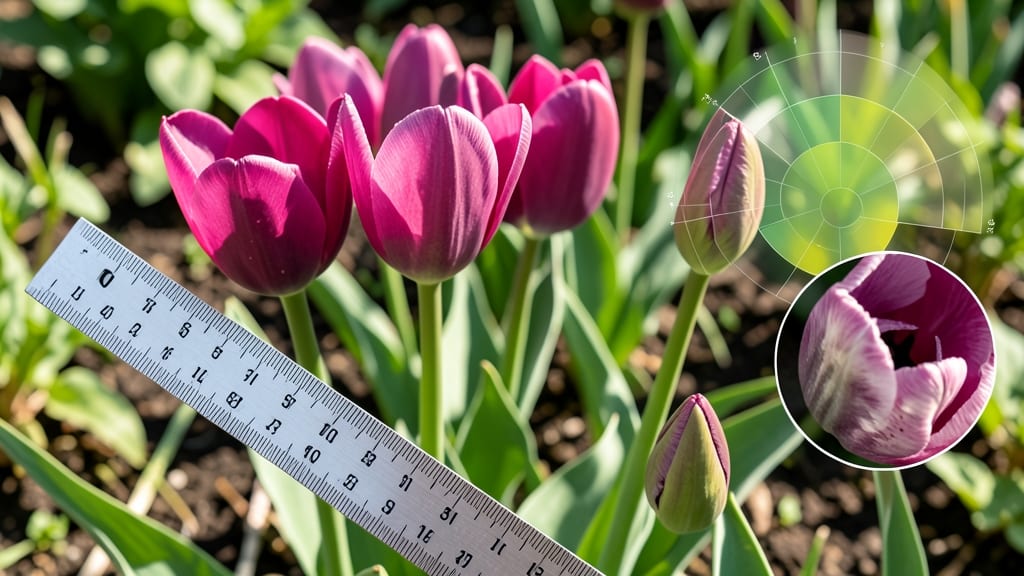
Tulips typically bloom for 3 to 7 days on average, though early varieties like 'Apeldoorn' last just 3–5 days, while late bloomers like 'Black Parrot' can extend to 7–10 days. Reblooming hybrids may even produce secondary flowers 4–6 weeks later with proper care.
Tulip bloom duration depends heavily on the variety and growing conditions. 🌸 Early-blooming types often wilt faster because they prioritize energy toward bulb storage, while late-season varieties conserve moisture better in warmer weather.
The key to extending their lifespan lies in consistent moisture—never letting the soil dry out completely—and removing spent blooms to redirect energy to future growth. Many gardeners overlook how temperature swings can shorten bloom time, especially in hot climates where tulips may last only 3–4 days.
What's fascinating is how reblooming tulips work—they store energy during their first bloom to fuel a second round of flowers later in the season. This makes them a favorite for gardeners who want prolonged color.
I've seen 'Double Late' hybrids produce stunning second blooms in late summer if given rich, well-draining soil and regular watering.
💡 In This Article
- Tulip Bloom Duration by Variety: Early vs Late Bloomers
- Extending Tulip Bloom Life: Care Tips for Longer-Flowering Tulips
Tulip bloom duration by variety: early vs late bloomers
The bloom cycle of tulips varies dramatically by variety, with early bloomers like the classic 'Apeldoorn' unfolding their petals in just 3-5 days—often wilting by late spring. These varieties prioritize energy toward bulb storage for next season, leaving little for prolonged flowering.
Their petals, often a delicate pink or white, open quickly in cooler temperatures (50-60°F) but fade faster when exposed to afternoon sun above 75°F. 🌸
Late-season tulips, such as the dramatic 'Black Parrot' or 'Queen of Night,' can extend their bloom to 7-10 days thanks to thicker petals and deeper pigmentation that conserves moisture.
Darwin hybrids, known for their sturdy stems and large cups, typically last 5-7 days because their genetic makeup includes traits from both early and late bloomers.
The key difference lies in their root systems—late bloomers develop deeper roots that access moisture during hotter periods, while early varieties rely on stored bulb energy.
Parrot tulips, with their ruffled edges and vibrant colors, often bloom slightly longer (6-8 days) because their complex flower structure requires more time to fully open. However, their vivid hues (like 'Red Riding Hood') can attract more sunlight, which accelerates wilting if temperatures exceed 80°F.
Fringed tulips, with their scalloped petals, typically match late bloomers in duration but may last 1-2 days longer due to their unique petal structure that reduces water loss.
What most gardeners don't realize is how temperature fluctuations affect bloom time. A sudden heatwave can shorten a tulip's life by 2-3 days as the plant diverts energy to cooling mechanisms. Conversely, consistent 60-70°F temperatures with 6+ hours of sunlight per day create ideal conditions for extended blooming.
The science behind this involves ethylene gas—tulips produce more of this hormone in hotter conditions, which triggers faster senescence (aging) of the flower.
Reblooming hybrids like 'Double Late' tulips take this further by storing 40-50% more starch in their bulbs during the first bloom, fueling a second round of flowers 4-6 weeks later.
This process requires perfect conditions: well-draining soil with pH 6.0-7.0, regular watering (1 inch per week), and protection from strong winds that can damage petals. Without these, even rebloomers may produce only partial second blooms.
Consider this comparison: A 'Darwin hybrid' tulip in ideal conditions may last 7 days, while the same variety in a hot, dry climate could wilt in just 3 days.
The difference isn't just about genetics—it's about how the plant's physiology responds to its environment. Understanding these variations helps gardeners choose varieties that match their local climate and care routines. 🌿