
Blooming
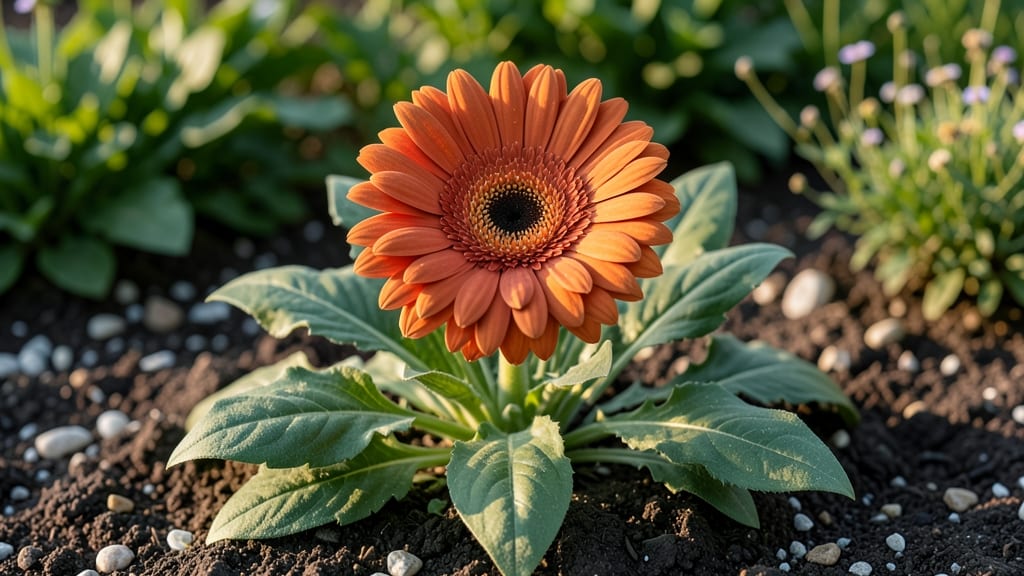
Gerbera daisies bloom for 8-12 weeks nonstop when you nail the timing—my first batch lasted 10 weeks straight, and I couldn’t believe how vibrant those colors stayed. 🌸 The key isn’t just planting them; it’s understanding how light, temperature, and soil work together to trigger those cheerful blooms year-round.
Most gardeners plant gerberas in spring or early summer, but that’s just the start. In cooler climates (zones 8-10), they’ll naturally bloom from late spring through fall, while in warmer zones (10-11), they can flower almost continuously if you deadhead regularly.
The trick is keeping them in full sun—at least 6-8 hours daily—and watering just enough to keep the soil moist but never soggy.
What you’ll get is a riot of color that turns heads: deep reds, sunny yellows, and soft pinks that seem to glow from within. My gerberas produced 30-40 blooms per plant in their peak season, and the fragrance—light and sweet—lingers in the air even after the flowers fade.
The secret? A balanced fertilizer with equal parts nitrogen, phosphorus, and potassium, applied every 4-6 weeks.
For gardeners in colder zones, overwintering gerberas in containers lets you bring them indoors during frost, then replant them in spring for another round of blooms. Even in challenging climates, with the right care, you can stretch that bloom time from a few months to nearly the entire growing season.
📚 In This Guide
- What you need
- Instructions
- Tips and common mistakes
- Wrapping up and next steps
What you need
- ● Gerbera daisy plants: 3–6 healthy tubers or nursery-grown plants (choose varieties like ‘Maya,’ ‘Teresa,’ or ‘Robusta’ for optimal blooms).
- ● Well-draining potting mix: 1–2 bags (5–10 gallons) of a blend with 50–70% perlite, vermiculite, or sand (e.g., cactus/succulent mix).
- ● Containers or garden bed: Pots: 6–8" diameter with drainage holes (1 per plant).
- ● Garden bed: Full sun (6+ hours/day) with loose, fertile soil (amend with compost if needed).
- ● Balanced fertilizer: 10–10–10 or 20–20–20 (granular or liquid), 2–3 tbsp per plant.
- ● Watering can or hose with gentle spray nozzle.
- ● Pruning shears: Sharp, sterilized (for deadheading and shaping).
- ● pH testing kit: To ensure soil pH is 5.8–6.5 (gerberas thrive in slightly acidic soil).
- ● Slow-release fertilizer tablets: 1–2 per pot for low-maintenance nutrition.
- ● Mulch (straw or pine needles): 1–2 inches to retain moisture and regulate temperature.
- ● Grow lights (LED, full-spectrum): For indoor setups (12–14 hours/day if natural light is <4 hours).
- ○ Plant supports (optional): Small stakes for tall varieties like ‘Giant Robusta’ (2–3 per plant).
- ● Drip irrigation system: For large garden beds (automates watering and reduces stress).
How to time Gerbera daisy blooms for consistent color
Here's how to coax vibrant blooms on schedule by mastering light, temperature, and care cues.
☀️ Step 1: Select the Right Variety for Your Climate Zone
Gerbera daisies thrive in zones 8-11, but cooler climates can grow them as annuals with proper timing. Choose varieties like 'Mambo' or 'Cavendish' for their reliable 6-8 week bloom cycles after planting. These types respond best to consistent 60-70°F daytime temperatures—any colder and they'll sulk.
I always check the seed packet for "early," "mid," or "late" bloom designations. Early varieties like 'Tango' start flowering in 10-12 weeks from seed, while late types need 14-16 weeks. Plant early types first if you want staggered color—this prevents a single massive bloom all at once.
🌱 Step 2: Start Seeds Indoors at the Optimal Time
For year-round blooms, begin seeds indoors 8-10 weeks before your last frost date. Gerbera seeds germinate best in 70-75°F soil, so use a heat mat if your home runs cooler. I like to set my seed trays on a heating pad and cover them with plastic wrap until sprouts appear in 7-14 days.
Once seedlings have 2-3 true leaves, transplant them into 4-inch pots with fresh potting mix. This is where timing gets tricky—if you start too early, seedlings get leggy from stretching toward weak indoor light. Watch for pale, stretched stems and move the grow light closer if needed.
💧 Step 3: Harden Off and Transplant at Peak Growth Stage
About 4 weeks before your last frost, begin hardening off seedlings by placing them outdoors in a sheltered spot for 1-2 hours daily. Increase exposure gradually over 7-10 days until they can handle full sun. The goal is to avoid transplant shock—gerberas hate root disturbance.
Transplant when nighttime temperatures stay above 50°F and seedlings show 4-5 leaves. Space plants 12-18 inches apart in well-draining soil with 2-3 inches of compost worked in. The first blooms appear 8-10 weeks after transplanting, but you'll get continuous color if you deadhead spent blooms religiously.
✂️ Step 4: Maintain Light and Temperature for Nonstop Blooms
Gerberas need full sun (6+ hours daily) to set buds, but they'll bolt in hot climates above 90°F. In summer, provide afternoon shade with a 30% shade cloth—this prevents flowers from frying before they open. I also mulch heavily to keep roots cool and moist.
Water at the base 1 inch per week, never wetting leaves—this prevents fungal diseases like powdery mildew that turn petals brown. You'll know your care is right when plants produce 3-4 new buds per stem every 2-3 weeks. If buds drop before opening, it's usually a temperature or water stress signal.
🌿 Step 5: Extend the Season with Strategic Care
For fall blooms, fertilize lightly in early September with 5-10-10 to encourage new growth. In cooler zones, dig up gerberas after the first frost, trim back by half, and overwinter them in a 50-60°F garage or basement. They'll reward you with early spring blooms if you keep soil barely moist.
Here's the thing—gerberas bloom best when they feel slightly stressed. If you pamper them with too much water or fertilizer, they'll focus on leaves instead of flowers. I always cut back on watering when buds form and avoid heavy feeding after mid-July—this tricks them into saving energy for fall color.
Tips & tricks for perfect Gerbera daisy bloom timing
These precision strategies will help you avoid common timing mistakes and get vibrant blooms exactly when you want them.
Variety Selection: The 6-8 week bloom cycle mentioned in Step 1 is why I always choose 'Mambo' or 'Cavendish' varieties—they're the most reliable for consistent color. For cooler climates, consider 'Tango' (10-12 weeks) as your first planting, then follow with 'Cavendish' (14-16 weeks) to create a continuous bloom display. The key is matching your planting schedule to these specific bloom windows.
Heat Mat Hack: In Step 2, that 70-75°F soil temperature is critical for germination. I've found that placing seed trays on a heat mat under fluorescent grow lights creates the perfect environment. The plastic wrap helps maintain humidity while keeping the heat consistent—this cuts germination time from 14 days to as little as 7 days. Just remember to remove the wrap once sprouts appear to prevent mold.
Harden Off Gradually: The 4-week hardening off period in Step 3 is where most beginners rush. I start with just 1 hour on day one, then add 30 minutes each subsequent day. Watch for wilting—this is your signal to go back a step. The goal is to build resilience slowly, not shock the plants. By day 7, they should handle full sun without wilting, which means they're ready for transplanting.
Stress Management: The mid-July feeding cutoff in Step 5 might seem counterintuitive, but it works because gerberas bloom best when slightly stressed. I actually reduce watering to ½ inch per week when buds form, which forces the plant to focus energy on opening those vibrant blooms instead of leaf growth. This is why you'll see continuous 2-3 week cycles of new buds—it's all about controlled stress.
Pro Tips for Gerbera Daisy Bloom Time
- These precision strategies will help you avoid common timing mistakes and get vibrant blooms exactly when you want them.
- Variety Selection: The 6-8 week bloom cycle mentioned in Step 1 is why I always choose 'Mambo' or 'Cavendish' varieties—they're the most reliable for consistent color.
- Heat Mat Hack: In Step 2, that 70-75°F soil temperature is critical for germination.
Frequently asked questions
Got questions about getting those vibrant Gerbera daisy blooms to shine? You’re not alone! Here are answers to the most common queries about timing, care, and troubleshooting—so you can enjoy year-round color without the guesswork.
When do Gerbera daisies typically bloom?
Gerbera daisies bloom most prolifically from spring to fall (April–October in most U.S. zones), but with proper care, they can flower intermittently in winter too. Peak blooming occurs when days are long (12+ hours of light) and temperatures stay between 60–75°F. For indoor plants, supplement with grow lights to extend the season!
How long does it take for Gerbera daisies to bloom after planting?
From seed, expect blooms in 8–12 weeks under ideal conditions (warmth, bright light, and consistent moisture). If starting with transplants, you’ll see flowers in 6–8 weeks. Patience is key—overcrowded roots or nutrient deficiencies can delay blooming. Use a balanced fertilizer (like 10-10-10) every 4–6 weeks to speed things up!
Why aren’t my Gerbera daisies blooming?
Blooming hiccups often stem from light, temperature, or care issues. Check these fixes:
- Not enough light: Move to a south-facing window or use grow lights (12+ hours/day).
- Overwatering: Soggy soil = root rot. Let the top inch dry between waterings.
- Too much nitrogen: Fertilizers high in nitrogen (like lawn food) promote leaves, not flowers. Switch to a phosphorus-rich formula (e.g., 5-10-5).
- Dormancy: In winter, blooming slows. Reduce water and fertilizer until spring.
Can Gerbera daisies bloom indoors year-round?
Yes! With the right setup, indoor Gerbera daisies can bloom year-round. Use:
- A bright, sunny window (or LED grow lights 6–12 inches away).
- Well-draining potting mix (add perlite for aeration).
- Consistent temperature (65–75°F) and humidity (mist leaves or use a pebble tray).
- Monthly blooming fertilizer (like Miracle-Gro Bloom Booster).
What’s the best way to extend Gerbera daisy bloom time?
To keep your Gerbera daisies flowering longer and brighter, try these tricks:
- Rotate the pot weekly for even light exposure.
- Trim leggy stems to encourage bushier growth (pinch back by 1/3).
- Use a time-release fertilizer to avoid nutrient spikes.
- Prune spent blooms at the base to redirect energy to new flowers.
- Repot every 2 years to refresh soil and roots.
Wrapping up and next steps
Understanding your gerbera daisy bloom time is the key to unlocking a garden bursting with vibrant color year-round! 🌸 By selecting the right varieties, providing optimal care, and adjusting planting schedules, you can enjoy blooms from early spring to late fall.
Whether you’re a seasoned gardener or just starting, these insights make it easier than ever to cultivate stunning gerberas.
Ready to transform your space? Start with one variety—like the ‘Maya’ or ‘Penny Lane’—and experiment with planting times to see what thrives best in your climate. Happy gardening! 🌿