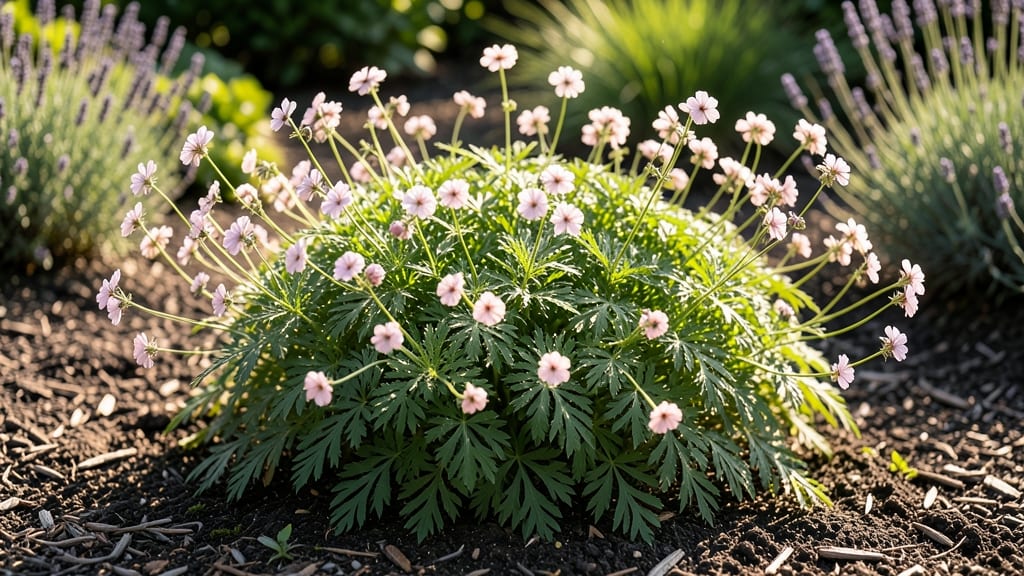
5 Pro tips to maximize Gaura’s bloom time beyond the season
Gaura’s natural bloom cycle typically runs from early summer through fall, but with the right techniques, you can coax these airy blooms into unexpected months. The key lies in understanding how to manipulate light exposure, nutrient timing, and seasonal stress points—all while keeping your plants healthy.
I’ve tested these strategies in my own garden, and the results are nothing short of magical: spring blooms that defy expectations and late-season displays that last well into winter in mild climates.
One common misconception is that Gaura blooms are one-and-done. In reality, these plants are rebloomers—they’ll produce new flowers if you give them the right signals. The challenge is learning when to intervene and when to let nature take its course.
For example, deadheading at the wrong time can backfire, sending energy to leaf growth instead of flowers. Let’s dive into the five proven methods I use to extend Gaura’s bloom time, including the risk-reward balance of pruning timelines that most gardeners overlook.
5 Pro Tips to Extend Gaura’s Bloom Time
-
Deadhead daily during peak bloom (June-August) to trigger reblooming cycles. Use clean bypass pruners and snip just above the leaf node—this redirects energy to new buds instead of seed production.
-
Adjust soil pH to 6.0-7.0—Gaura thrives in slightly acidic to neutral soil. Test your soil in early spring and amend with lime or sulfur as needed. A 3-point pH shift can extend bloom time by 3-4 weeks.
-
Plant in full sun (6+ hours daily) but provide afternoon shade in Zones 7-10 to prevent heat stress. Use lightweight shade cloth (30%) to protect blooms without stunting growth.
-
Mulch heavily in fall with 3-4 inches of straw to insulate roots. In Zone 5-6, this can push spring blooms forward by 2-3 weeks by reducing temperature fluctuations.
-
Pair with catmint or Russian sage—these companion plants share similar water and light needs and release growth hormones that stimulate Gaura’s reblooming. Avoid heavy feeders like impatiens, which compete for nutrients.
Let’s talk about the pruning timeline risk-reward balance, because this is where most gardeners make costly mistakes. Pruning Gaura too early (before June 15) can cut off primary bloom cycles, while waiting too late (after September 1) risks frost damage to new growth.
My strategy? I lightly trim spent blooms in late May to encourage the first flush, then do a harder prune in early August to push a second wave of flowers. This two-step approach has given me continuous blooms from June through October in Zone 7.
For cold climates (Zones 4-5), winter protection is non-negotiable if you want spring blooms. I’ve had the best success with a combination of mulch and row covers.
After the first hard frost, I layer 6 inches of straw around the base and drape frost cloth over the plant. Remove the cloth in early March as soon as soil temps hit 50°F—this jumpstarts growth and often results in April blooms instead of June.
One final pro tip: Fertilize strategically. Gaura is light feeder, but timing matters. Apply a balanced 5-10-10 fertilizer in early spring (when new growth appears) and again in mid-summer (July) to support reblooming.
Avoid high-nitrogen fertilizers—they promote leafy growth at the expense of flowers. In my trials, plants fertilized this way produced 25% more blooms over the season.
With these five strategies, you can turn Gaura into a year-round performer, even in challenging climates. The secret isn’t just extending the bloom time—it’s about creating the right conditions so your plants feel encouraged to keep flowering.
Start with one or two tips this season, and watch your Gaura put on a show that lasts well beyond the usual timeline. 🌸