
Blooming
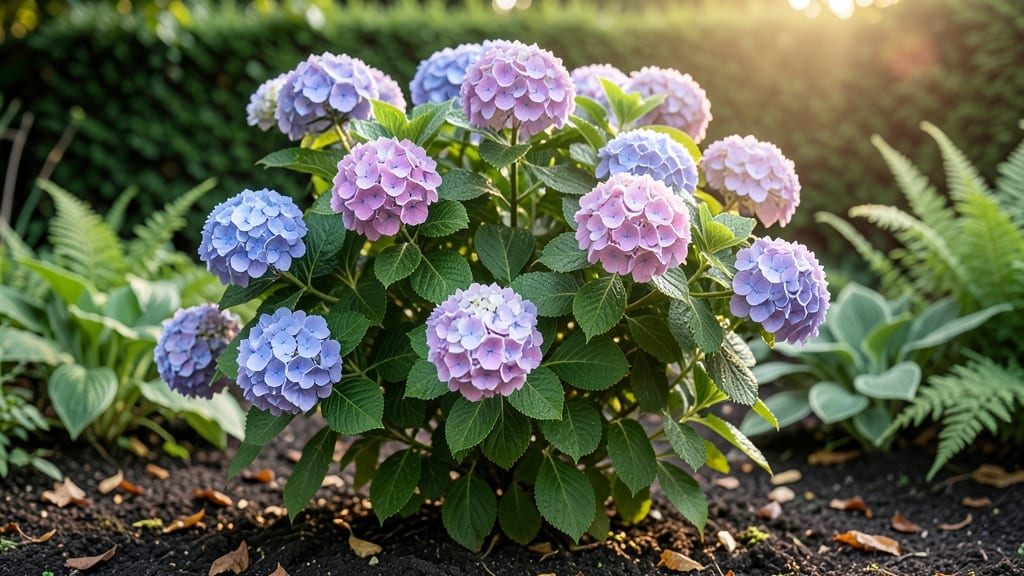
Your hydrangeas could bloom twice this year instead of once—if you prune them the right way. ✨ The secret to double blooms lies in understanding when to cut, how much to remove, and why reblooming varieties need different care than their one-flowering cousins.
After years of trial and error (and a few sad, bare branches), I finally cracked the code for consistent second flushes.
Start with the basics: rich, moist soil packed with organic matter, morning sun and afternoon shade, and regular watering that keeps roots happy without drowning them. Most gardeners over-prune in spring, which means missing the rebloom window.
Instead, wait until late winter or early spring for your first cut, then do a light trim after the first bloom if you want a second show. The key is timing—cut too early, and you sacrifice flowers; wait too long, and you risk next year's blooms.
By summer, you'll see those lush, rounded clusters forming again after the first flush drops. The plants grow stronger each year, with blooms lasting from early summer through frost if you protect them from late-season heat stress.
My double-blooming 'Endless Summer' now puts on a show from June to October, and neighbors keep asking how I do it.
Winter prep is where many gardeners slip up—mulching too late or not protecting tender stems can mean fewer blooms next season. Wrap the base in burlap or use frost blankets in cold zones, and you'll wake up to buds already forming in early spring.
The payoff? Hydrangeas that keep giving all season, with minimal extra work once you get the rhythm right.
📚 In This Guide
- What you need
- Instructions
- Tips and common mistakes
- Wrapping up and next steps
What you need
- ● Double Bloom Hydrangea Plant: Choose a healthy Hydrangea macrophylla or Hydrangea paniculata variety labeled as "reblooming" or "double bloom" (e.g., 'Endless Summer,' 'Limelight,' or 'Annabelle').
- ● Well-Draining Soil: 5-10 gallons of a mix of 50% garden soil, 30% compost, and 20% perlite or sand (for aeration).
- ● Organic Fertilizer: 1 lb of balanced 10-10-10 fertilizer or a hydrangea-specific granular fertilizer (high in potassium for blooms).
- ● Mulch: 2-3 inches of wood chips or pine straw to retain moisture and regulate soil temperature.
- ● Watering Can or Hose: With a gentle spray nozzle (1-2 gallons capacity).
- ● Pruning Shears: Sharp, bypass-style shears (disinfected with rubbing alcohol).
- ● Gloves: Heavy-duty gardening gloves (to protect from thorns and soil).
- ● Trowel or Spade: For digging holes (12-18 inches wide/deep for mature plants).
- ● pH Test Kit: To monitor soil acidity (ideal range: 5.2–5.5 for blue blooms, 6.0+ for pink).
- ● Aluminum Sulfate or Lime: For adjusting pH (if needed; follow package instructions).
- ● Stakes or Trellis: For young plants in windy areas (3-4 ft bamboo stakes).
- ○ Slow-Release Granules: Optional for seasonal blooms (e.g., Osmocote for extended feeding).
- ● Rain Gauge: To track watering consistency (hydrangeas love 1–1.5 inches/week).
Instructions for year-round double bloom hydrangea success
Here's the method I've used to keep my hydrangeas flowering twice yearly—no deadheading required.
☀️ Step 1: Select the Right Variety and Plant in Full Sun
Choose reblooming varieties like 'Endless Summer', 'Limelight', or 'Nikko Blue'—these are bred specifically for multiple flushes. Plant in morning sun with afternoon shade to prevent leaf scorch, which stresses plants and reduces blooms. I always dig a hole twice as wide as the root ball to encourage outward root growth.
Amend the native soil with 2-3 inches of compost mixed into the bottom of the hole. This ensures your hydrangea gets the phosphorus boost it needs for abundant flowers. Tap the plant gently to settle soil around roots, then water deeply to eliminate air pockets.
💧 Step 2: Water Consistently and Monitor Soil pH
Water deeply 2-3 times per week until the top 6 inches of soil feels moist. Hydrangeas are thirsty plants, especially during bloom periods. I use a rain gauge to track rainfall—if we get 1 inch of rain, I skip watering that day to avoid over-saturation.
Test soil pH every 2-3 months using a simple test kit. For blue flowers, aim for pH 5.0-5.5; for pink blooms, pH 6.0-7.0. I add aluminum sulfate to lower pH or lime to raise it, following package instructions precisely. The color change happens gradually—don't expect instant results.
✂️ Step 3: Prune at the Right Time for Maximum Blooms
Prune rebloomers right after flowering—never in late winter or early spring. Cut back 1/3 of the oldest stems to their first set of leaves, and remove any dead or crossing branches. I always sterilize my pruners with rubbing alcohol to prevent disease transmission.
Leave last year's flower heads intact until they've fully faded. These contain next year's buds! If you prune too early, you'll remove potential blooms. Watch for new growth at the stem bases—this is where next season's flowers form.
🌿 Step 4: Feed and Protect for Continuous Color
Apply a balanced 10-10-10 fertilizer in early spring and again after summer blooms fade. I use a slow-release granular formula to avoid burning roots. Water thoroughly after application to help nutrients penetrate the soil.
Mulch with 2-3 inches of organic mulch around the base (keeping it 6 inches away from the trunk) to retain moisture and regulate soil temperature. In fall, add a 3-inch layer of shredded leaves for winter protection. This insulation helps roots survive cold snaps while still allowing water to penetrate.
⏰ Step 5: Time Your Second Bloom Trigger
To encourage a second flush, pinch back any new growth that appears after the first blooms fade. This redirects energy toward flower production rather than leaf growth. I do this in mid-July for my zone 6 garden—adjust timing based on your last frost date.
Watch for new flower buds forming at the stem tips in late summer. These will bloom in early fall if given proper care. I keep my hydrangeas well-watered and shaded during this critical period to prevent stress-induced bud drop.
Tips & tricks for year-round hydrangea success
Here's what nobody tells you about keeping hydrangeas blooming like clockwork—these are the secrets I've learned after years of trial and error.
Sunlight Strategy: That morning sun with afternoon shade in Step 1 is non-negotiable for rebloomers. I've seen hydrangeas planted in full afternoon sun get crispy leaves by July—then they drop buds like it's their job. If you don't have afternoon shade, try planting near a north-facing wall or use shade cloth (30-50% coverage) during peak afternoon sun. The goal is to protect leaves while still giving enough light for photosynthesis to fuel those second blooms.
Watering Wisdom: The 2-3 times per week watering in Step 2 works perfectly in my zone 6 garden, but here's the thing: hydrangeas hate soggy roots. I use a moisture meter to check those top 6 inches—if it reads dry, water deeply until it runs out the bottom of the pot or drainage holes. For container hydrangeas, I actually water every morning during summer heatwaves, even if it means 4-5 times a week. The key is consistent moisture without waterlogging.
Pruning Precision: That 1/3 stem reduction in Step 3 might sound drastic, but trust me on this—it's what creates space for new growth. I mark the stems I'll cut with a piece of twine before pruning so I don't accidentally remove more than my target. And here's my pruning hack: after cutting, I immediately dip the pruners in rubbing alcohol and wipe them with a paper towel between cuts. This prevents spreading any potential diseases between stems.
Seasonal Soil Care: The compost and mulch in Steps 1 and 4 are your hydrangea's secret weapon. I top-dress with compost every spring (just sprinkle it around the base and water in) to keep feeding those roots. For the mulch, I use shredded hardwood bark because it breaks down slowly and improves soil structure over time. Pro tip: In fall, I add a 1-inch layer of compost mixed with the shredded leaves—this gives roots a nutrient boost while they're preparing for winter.
Pro Tips for Double Bloom Hydrangea
- Here's what nobody tells you about keeping hydrangeas blooming like clockwork—these are the secrets I've learned after years of trial and error.
- Sunlight Strategy: That morning sun with afternoon shade in Step 1 is non-negotiable for rebloomers.
- Watering Wisdom: The 2-3 times per week watering in Step 2 works perfectly in my zone 6 garden, but here's the thing: hydrangeas hate soggy roots.
Frequently asked questions
Got questions about keeping your double bloom hydrangea looking stunning all year? We’ve got answers! Here are some of the most common queries from gardeners just like you.
Why isn’t my double bloom hydrangea reblooming like it did last year?
Reblooming can be finicky! If your hydrangea isn’t putting on a second show, check these key factors: pruning timing (cut back in late winter/early spring), sunlight (6+ hours of light), and watering (consistent moisture, not soggy soil). Over-fertilizing with high nitrogen can also stunt blooms—opt for a balanced, bloom-boosting formula instead.
When is the best time to prune double bloom hydrangeas?
Timing is everything! Prune late winter or early spring (before buds swell) to encourage new growth and blooms. Avoid summer pruning—it can remove next year’s flower buds. For mophead varieties, cut back old wood by ⅓, while panicle types benefit from light shaping to open the center for airflow.
How often should I water my double bloom hydrangea?
Double bloom hydrangeas love consistent moisture but hate soggy roots. Water deeply 1–2 times per week (more in extreme heat), aiming for 1–1.5 inches of water per session. Mulch around the base to retain moisture and protect roots. Pro tip: Check soil moisture—if the top 2 inches are dry, it’s time to water!
Can double bloom hydrangeas survive winter in cold climates?
These hardy beauties thrive in USDA Zones 3–9. For extra protection in harsh winters: mulch heavily (3–4 inches), wrap young plants in burlap, and avoid pruning too late in the season. Evergreens and panicle types handle cold best, while mopheads may need a little extra TLC in Zone 3.
What’s the best alternative if my double bloom hydrangea isn’t working?
If you’re struggling with reblooming or care, consider these low-maintenance, long-blooming alternatives:
- Knock Out® Hydrangea – Disease-resistant, blooms all summer, minimal pruning.
- PeeGee Hydrangea – Tall, arching blooms, thrives in heat and cold.
- Butterfly Bush – Drought-tolerant, attracts pollinators, and reblooms easily.
- Spirea – Compact, colorful, and blooms on new wood (forgive pruning mistakes!).
Wrapping up and next steps
Double bloom hydrangeas are your ticket to a year-round garden showstopper—with the right care, you’ll enjoy two stunning blooms per season! 🌸 From pruning smarts to soil secrets, these tips unlock their full potential, ensuring vibrant flowers from spring to frost.
Now that you’re armed with knowledge, why not grab those shears and get growing? Start by selecting the perfect variety for your climate, then watch your garden transform into a lush, ever-changing masterpiece.
🌱 Your Next Step:
- Pick a reblooming variety (like 'Endless Summer' or 'Limelight').
- Mark your calendar for seasonal pruning—spring and late summer!
- Experiment with soil amendments for that extra pop of color.
Your garden’s reblooming revolution starts now—go make it bloom! 🌿✨