
Blooming
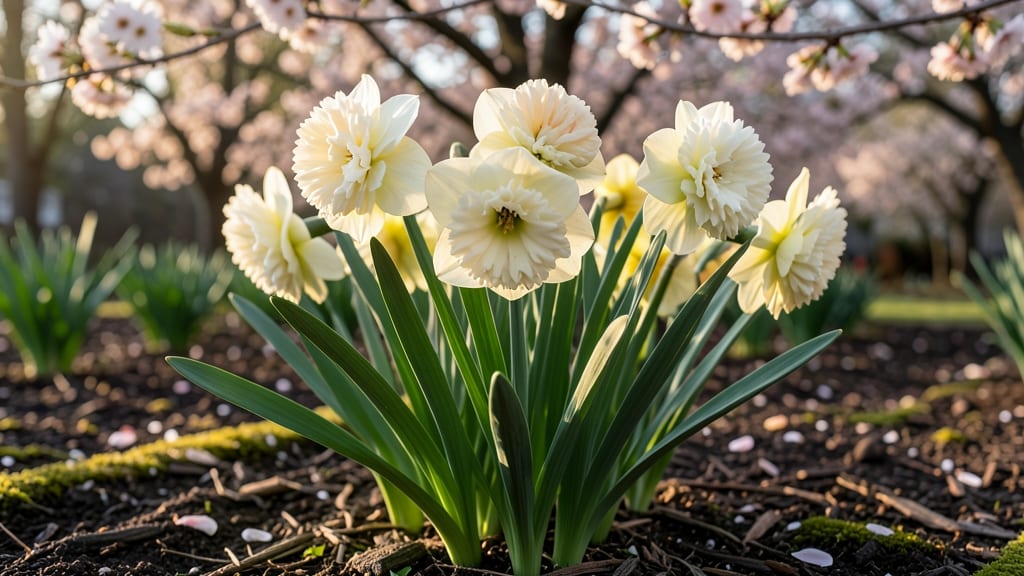
Double bloom daffodils deliver two waves of color in one season—first in spring, then again in late summer—with almost no extra effort. 🌸 I’ve grown them for years, and once you plant these bulbs, they multiply underground while sending up cheerful blooms that brighten even the dreariest corners of the garden.
The secret to their reliable performance lies in three simple things: well-draining soil, 6+ hours of sunlight daily, and a no-fuss watering routine that keeps them happy without babying them.
Unlike fussy annuals, these daffodils thrive on neglect—once established, they’ll naturalize and spread, creating drifts of blooms that return year after year. You’ll love how they outperform standard daffodils, with thicker, fuller flowers that last longer in vases.
The first flush appears in early spring, then a second wave emerges in late summer, giving you near-continuous color with minimal maintenance. Even in hot climates, they handle the heat better than many spring bloomers. Perfect for borders, woodland gardens, or even container plantings.
Let’s get those bulbs in the ground so you can enjoy this two-for-one blooming display!
📚 In This Guide
- What you need
- Instructions
- Tips and common mistakes
- Wrapping up and next steps
What you need
- ● Double bloom daffodil bulbs: Choose Narcissus varieties like ‘Tête-à-Tête,’ ‘Ice Follies,’ or ‘Peeping Tom’ (3–5 bulbs per planting spot for a full look).
- ● Well-draining potting mix: 2–3 gallons of bulb-specific soil or a blend of 50% peat moss, 30% perlite, and 20% compost (for containers).
- ● Garden soil (for in-ground planting): Amend with compost (1 part compost to 3 parts soil) to improve drainage.
- ○ Containers (optional): 6–8" pots with drainage holes (1–2 bulbs per pot).
- ● Garden trowel or bulb planter (for digging holes).
- ● Measuring tape or ruler (to plant bulbs at 6–8" deep, 3–6" apart).
- ● Watering can or hose with gentle spray (avoid soaking bulbs).
- ○ Mulch (optional): 1–2" of straw or shredded leaves to retain moisture.
- ● Sunlight access: 6+ hours of direct sun (partial shade in hot climates).
- ● Patience! 😉 Bulbs need 6–8 weeks to sprout after planting.
- ● 🌡️ Plant in fall: Aim for 6–8 weeks before first frost (typically September–October).
- ● 🔥 Avoid fertilizers: Double bloom daffodils thrive on low-nitrogen soil—skip spring feedings!
- ● 💡 For forcing indoors: Chill bulbs in a cool, dark place (like a fridge) for 10–12 weeks before potting.
How to grow double bloom daffodils for season-long color
Here's the straightforward method I've used to get bold, repeat-flowering daffodils every spring and fall with almost no extra work.
🌱 Step 1: Choose the Right Varieties for Double Blooms
Not all daffodils produce second blooms, so select proven varieties like 'Ice Follies', 'Tête-à-Tête', or 'Peach Sorbet'. These compact, reblooming types thrive in containers and borders alike. I always check the flower count on seed packets—double bloomers typically show 6-8 petals per flower rather than the standard 6.
Plant bulbs in well-draining soil with a pH between 6.0-7.0. Double bloomers need slightly more phosphorus than single-flowering types, so I add a handful of bone meal to the planting hole. This encourages stronger root systems that support multiple flower stems.
🪴 Step 2: Plant Bulbs at the Correct Depth and Spacing
Dig holes 6-8 inches deep—about 3 times the bulb's height. Planting too shallow causes winter heaving, while going too deep delays blooming. Space bulbs 4-6 inches apart in borders or 3 inches apart in containers to allow foliage room to grow without crowding.
Place 2-3 bulbs per 6-inch pot for a fuller display. I always orient bulbs with the pointed end up—this ensures straight, sturdy stems. After planting, cover with 2 inches of mulch to protect from winter freeze-thaw cycles and retain moisture.
☀️ Step 3: Provide Consistent Light and Water After Planting
Daffodils need full sun (6+ hours daily) for best blooming, but they tolerate partial shade in hot climates. The key to double blooms is maintaining consistent moisture—especially during the 6-8 week period after planting when roots establish.
Water deeply once a week until leaves turn yellow in late spring. This signals the bulb to store energy for next year's blooms. I avoid overhead watering after flowering to prevent fungal diseases that can weaken stems for the second bloom cycle.
✂️ Step 4: Deadhead and Fertilize for Repeat Blooms
After the first flush of flowers fades, cut spent blooms at the base but leave the foliage until it yellows naturally. This ensures the bulb photosynthesizes enough energy for a second round. I use a balanced 10-10-10 fertilizer at half-strength when new flower buds form in late summer.
For container-grown daffodils, I switch to a low-nitrogen, high-phosphorus formula to encourage blooming over leafy growth. The second flush usually appears 8-10 weeks after the first, though it may be smaller—this is normal and still worth the effort.
⏰ Step 5: Overwinter Properly for Next Year's Blooms
In colder zones, add 4-6 inches of mulch after the ground freezes to protect bulbs. In mild climates, reduce watering in winter but don't let soil dry completely. I mark planting locations with stakes so I don't disturb roots during fall cleanups.
Double bloomers need at least 6 weeks of winter chill (40°F or below) to rebloom reliably. If you live in a warm climate, store bulbs in a cool, dark place (40-50°F) for 8 weeks before replanting in fall.
Tips & tricks for perfect double bloom daffodils
Here's what nobody tells you about getting those second blooms—these are the details that make all the difference.
Variety Selection: Don't just grab any daffodil bulbs—look for varieties specifically labeled as "reblooming" or "double bloomers." I've had the most success with 'Ice Follies' and 'Peach Sorbet' because they consistently produce that second flush. The key is checking for the 6-8 petal count on seed packets, which indicates the double-bloom trait. This isn't just about looks; it's about genetics that support multiple flowering cycles.
Soil Preparation: The pH between 6.0-7.0 isn't just a suggestion—it's critical for phosphorus uptake, which these double bloomers need in abundance. I've learned the hard way that neglecting this can result in weak stems that can't support multiple flower cycles. Mix a handful of bone meal into your planting hole (about 1-2 tablespoons per bulb) to give them that extra phosphorus boost without overdoing it. Think of it as giving your daffodils a vitamin shot.
Container Strategy: For container growing, the 2-3 bulbs per 6-inch pot rule is non-negotiable if you want that full display. I've tried cramming more bulbs into smaller pots, but it leads to overcrowding and weaker blooms. The secret is to use a well-draining potting mix with perlite or sand added—this prevents root rot that can sabotage your second bloom cycle. And remember, those 2 inches of mulch after planting aren't optional; they're what protect your investment from winter's freeze-thaw cycles.
Second Bloom Timing: The 8-10 week window between first and second blooms might seem long, but it's essential for the bulb to regenerate energy. I've found that if I rush this process by cutting foliage too soon, I get fewer second blooms. The trick is patience—let those leaves yellow naturally. This is when the bulb is storing energy for next year's performance, not just this year's second show.
Pro Tips for Double Bloom Daffodils
- Here's what nobody tells you about getting those second blooms—these are the details that make all the difference.
- Variety Selection: Don't just grab any daffodil bulbs—look for varieties specifically labeled as "reblooming" or "double bloomers."
- Soil Preparation: The pH between 6.0-7.0 isn't just a suggestion—it's critical for phosphorus uptake, which these double bloomers need in abundance.
Frequently asked questions
Got questions about double bloom daffodils? You’re not alone! Here are some of the most common queries—and their answers—to help you grow these stunning flowers with confidence.
What makes double bloom daffodils different from regular daffodils?
Double bloom daffodils have two layers of petals (instead of one), creating a fuller, more lush flower. They often resemble peonies or roses in shape and come in vibrant colors like yellow, orange, and even bi-colors. While regular daffodils have a single trumpet-like center, double blooms offer a more dramatic, layered look!
When is the best time to plant double bloom daffodil bulbs?
Plant them in fall (6-8 weeks before the first frost) for spring blooms. If you live in a mild climate, you can plant in early winter. Double blooms thrive in well-draining soil and full sun to partial shade. Pro tip: Use a bulb planter or trowel to place bulbs 6-8 inches deep and 4-6 inches apart for optimal growth.
Will double bloom daffodils come back every year?
Yes! With proper care, they’re perennial and will return year after year. After blooming, let the foliage die back naturally (don’t cut it) to allow the bulb to store energy for next season. Avoid overwatering or disturbing the bulbs, and they’ll reward you with more vibrant blooms annually.
Can I grow double bloom daffodils in containers?
Containers are perfect for double blooms, especially in small spaces. Use a pot with drainage holes and a mix of potting soil and compost. Plant 3-5 bulbs per 10-inch pot for a fuller display. Just ensure they get at least 6 hours of sunlight daily and water moderately—never let them sit in soggy soil.
Why aren’t my double bloom daffodils blooming?
Several factors could be at play:
- Not enough sunlight: Double blooms need full sun to partial shade (6+ hours/day). Move them to a sunnier spot.
- Overcrowded bulbs: Dig up and separate bulbs every 2-3 years to prevent competition for nutrients.
- Poor drainage: Bulbs rot in soggy soil. Amend heavy soil with sand or gravel.
- Lack of nutrients: Fertilize in early spring with a balanced bulb food.
Give them time—they may need 1-2 years to establish before blooming fully!
Wrapping up and next steps
Double bloom daffodils are the perfect low-maintenance superstars for brightening up your garden with year-round color—and yes, they really are as easy as they sound! 🌸 From their bold, two-flower blooms to their resilience against pests and harsh weather, these beauties prove that stunning gardens don’t require endless effort.
Whether you’re a seasoned gardener or just starting out, adding them to your yard is a simple, rewarding upgrade.
Ready to transform your space? Start by picking the right variety (like ‘Tête-à-Tête’ or ‘Ice Follies’), then grab your gloves and plant them in well-draining soil—you’ve got this! 🌱 For extra inspiration, browse local nurseries or online plant shops to find your perfect match. Happy gardening!